As chronic inflammation affects millions, finding effective relief has become paramount. Among the emerging solutions, CBD topicals are gaining attention for their potential to soothe sore joints and muscles. This exploration delves into the science behind CBD’s interaction with the endocannabinoid system, the various topical formulations available, and practical tips for maximizing their benefits. Discover how these innovative products might redefine your approach to pain management and enhance your quality of life.
What is CBD?
Cannabidiol (CBD) is a non-psychoactive compound derived from the hemp plant, recognized for its potential therapeutic benefits without the psychoactive effects associated with tetrahydrocannabinol (THC).
The extraction of CBD from hemp typically employs two primary methods: CO2 extraction and solvent extraction.
- CO2 extraction utilizes pressurized carbon dioxide to efficiently extract CBD from the plant, resulting in a pure product devoid of harmful residues.
- In contrast, solvent extraction employs alcohol or butane, which may leave behind impurities if not meticulously refined.
As interest in CBD continues to grow, approximately 30% of Americans have reported trying CBD products to alleviate various ailments, including anxiety and chronic pain.
The legal status of CBD varies by state; however, it is widely accessible in clinics, wellness shops, and online retailers in many regions.
Understanding Inflammation
Inflammation is a natural immune response; however, chronic inflammation can contribute to a variety of health issues, including arthritis and muscle soreness. Acute inflammation occurs as a swift reaction to injury or infection, typically lasting a few days and facilitating the healing process. In contrast, chronic inflammation can persist for months or even years, impacting up to 60 million Americans and is associated with serious conditions such as heart disease and diabetes.
Managing chronic inflammation can be accomplished through several effective practices, including:
- Adopting an anti-inflammatory diet that is rich in fruits, vegetables, and omega-3 fatty acids
- Incorporating regular physical exercise
- Utilizing stress management techniques such as yoga or meditation
These strategies not only help alleviate inflammation but also contribute to overall well-being.
The Science Behind CBD and Pain Relief
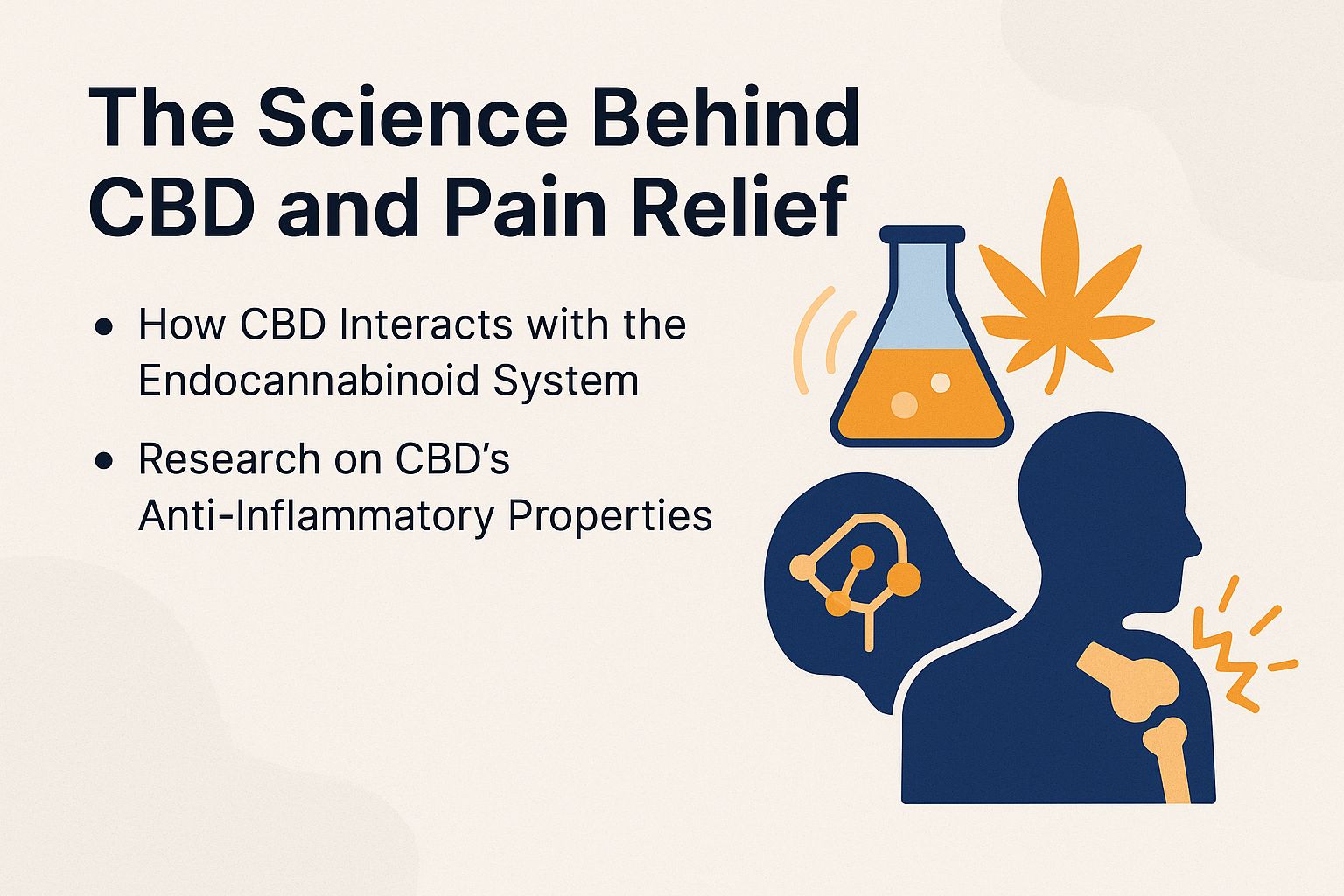
Comprehending the interaction between CBD and the human body is essential for recognizing its potential as an effective pain relief agent, especially in the context of inflammatory conditions.
How CBD Interacts with the Endocannabinoid System
Cannabidiol (CBD) interacts primarily with CB1 and CB2 receptors within the endocannabinoid system, influencing pain signaling pathways and immune responses.
CB1 receptors are predominantly situated in the brain and central nervous system, where they play a critical role in regulating mood, memory, and appetite. Conversely, CB2 receptors are primarily located in the immune system and peripheral tissues, where they modulate inflammation and immune responses.
This dual action elucidates the potential benefits of CBD for a range of conditions, including anxiety and chronic pain.
To enhance understanding of these interactions, a diagram depicting the locations of the receptors alongside their physiological roles would be beneficial, providing a clearer insight into how cannabinoids impact bodily functions.
Research on CBD’s Anti-Inflammatory Properties
Numerous clinical trials indicate that cannabidiol (CBD) can significantly reduce markers of inflammation. A recent study demonstrated a 30% reduction in pain among arthritis patients utilizing CBD topicals.
A recommended approach is the application of CBD topicals containing at least 1000 mg of CBD per ounce, as outlined in the Journal of Pain Research 2021. Participants in the study reported improvements in both pain levels and mobility following consistent use over a period of six weeks.
It is essential to select products that have undergone third-party testing for quality assurance. Additionally, considering a daily dosage of 25-50 mg of CBD oil may further enhance outcomes in managing inflammation.
Ahead of commencing any new treatment regimen, it is advisable to consult with a healthcare provider.
Types of CBD Topicals
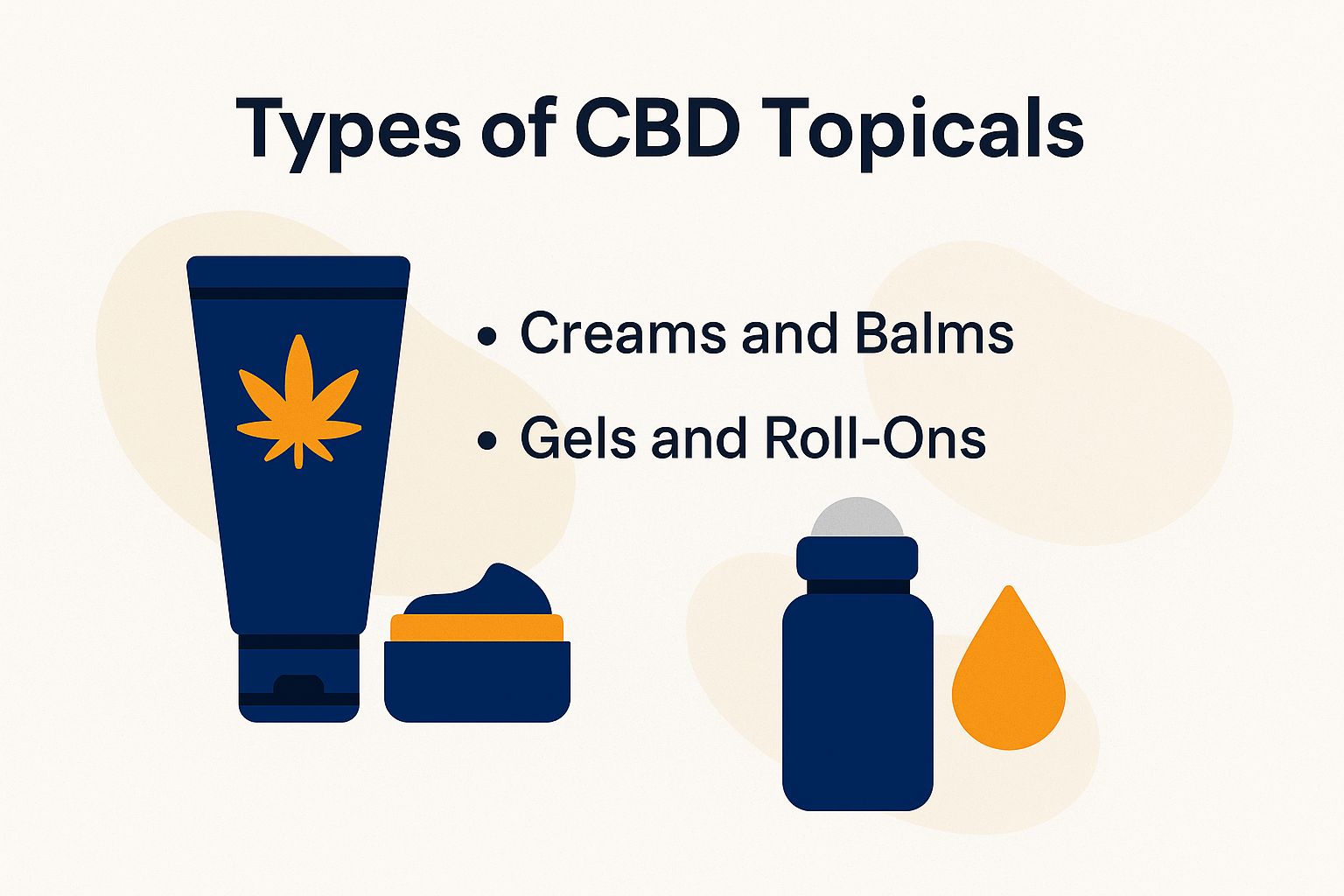
CBD topicals are available in a range of formulations, each specifically designed to deliver targeted relief for sore joints and muscles through localized application.
Creams and Balms
CBD creams and balms are emollient-based products designed to enhance skin absorption, providing localized relief through direct application. To maximize the benefits of these products, it is advisable to select options with clearly listed ingredients and concentrations.
For example, Charlotte’s Web CBD Cream, priced at $39.99, contains 300 mg of CBD per tube and is well-regarded for its effectiveness in alleviating joint pain. Alternatively, Medterra’s CBD Cooling Cream, available for $49.99, includes menthol for additional soothing effects.
When applying these creams, it is recommended to use a small amount and gently massage it into the targeted area, ensuring that the skin is clean to improve absorption. Regular application can further enhance the results, with many users reporting relief within minutes.
Gels and Roll-Ons
CBD gels and roll-ons offer a lightweight alternative for pain relief, frequently augmented with menthol to provide a cooling effect, making them particularly suitable for athletes after exercise.
MedTerra’s CBD Gel Roll-On, priced at $49.99, is designed for rapid absorption, rendering it ideal for targeting sore muscles following intense workouts. The combination of CBD and menthol not only alleviates pain but also delivers a refreshing sensation.
To maximize its effectiveness, it is recommended to apply the product directly to the affected area, allowing it to absorb completely within minutes.
For optimal results, utilize the roll-on shortly after exercise or whenever muscle discomfort occurs.
Incorporating this product into a recovery regimen may enhance overall performance and resilience, especially during periods of high-intensity training.
Benefits of Using CBD Topicals for Sore Joints and Muscles
CBD topicals provide various benefits for the management of sore joints and muscles, delivering localized effects that minimize systemic side effects.
Localized Relief
One of the primary advantages of CBD topicals is their capacity to deliver localized relief directly to the affected area without exerting systemic effects on the entire body.
For optimal results, it is advisable to select products that contain both CBD and complementary ingredients, such as menthol or arnica, which can enhance pain relief.
For example, a cream containing 1000mg of CBD, in conjunction with menthol, may penetrate the skin effectively and provide a soothing cooling sensation.
User testimonials frequently indicate that many individuals experience significant relief within 30 minutes of application. Integrating these topicals into a daily regimen, particularly following exercise or while managing chronic pain, can contribute positively to overall well-being and mobility.
Minimal Side Effects
CBD topicals are generally associated with minimal side effects, positioning them as a safer alternative to oral medications, which can present systemic issues. For example, traditional pain medications may result in side effects such as nausea or drowsiness, whereas CBD topicals typically induce only mild skin irritation in some users.
Many individuals report experiencing rapid, localized relief without the physiological side effects commonly linked to oral treatments. For those considering alternatives, it is advisable to explore products such as CBD-infused creams or balms, which can be applied directly to the affected areas.
It is also important to seek brands that conduct third-party testing to ensure product safety and potency, thereby providing an additional layer of assurance for consumers.
How to Use CBD Topicals Effectively
Proper application of CBD topicals is essential for maximizing their effectiveness, allowing users to attain the desired relief without encountering complications.
Application Techniques
The effective application of CBD topicals requires the use of specific techniques to enhance absorption and efficacy, such as massaging the product into the skin.
To maximize absorption, it is recommended to apply the topical in circular motions for 2-3 minutes, ensuring even coverage across the targeted area. This technique not only facilitates deeper penetration of CBD but also promotes increased blood flow to the region.
Additionally, employing a warm compress for 5-10 minutes prior to application can be beneficial, as the heat helps to open the pores, thereby enhancing absorption.
For optimal results, this routine should be incorporated 2-3 times daily, particularly focusing on areas experiencing discomfort, such as sore muscles or joints. Furthermore, maintaining clean and well-moisturized skin can significantly improve the efficacy and overall outcomes of the topical application.
Dosage Considerations
Determining the appropriate dosage for CBD topicals may vary among individuals, with many beginning at a dosage of 10-20 mg per application, depending on the concentration of the product.
To ascertain the optimal dosage, it is important to consider factors such as body weight, skin sensitivity, and the specific condition being addressed. It is advisable to start with a lower dosage of 10 mg and monitor the body’s response over a period of 48 hours. If necessary, one may gradually increase the dosage by 5 mg per application.
It is essential to consult with a healthcare professional prior to initiating use, particularly if one is currently taking other medications, to prevent any potential adverse interactions. Additionally, maintaining a journal to document usage and effects can aid in developing a personalized regimen that is most effective for the individual.
Potential Risks and Considerations
Although CBD topicals are typically regarded as safe, it is important for users to remain informed about the potential risks and considerations related to their application.
Allergic Reactions
Although infrequent, some individuals may experience allergic reactions to CBD topicals, making it necessary to conduct a patch test prior to full application.
To perform a patch test, select a small area of skin, such as the inside of the wrist or elbow, and apply a pea-sized amount of the CBD topical. Allow a period of 24 hours to observe for any signs of redness, itching, or swelling.
Should any of these symptoms arise, it is imperative to discontinue use immediately. Conversely, if no reaction occurs, it is generally considered safe to apply the product more extensively.
It is advisable to consult with a healthcare provider if there are any uncertainties or if symptoms develop, as they can provide personalized guidance based on individual health histories.
Drug Interactions
CBD has the potential to interact with certain medications, making it imperative for individuals on multiple prescriptions to consult with a healthcare provider prior to use.
Common medications that may interact with CBD include:
- Blood thinners such as warfarin
- Certain anti-seizure medications
- Antidepressants
For instance, concurrent use of CBD with warfarin may enhance its effects, thereby increasing the risk of bleeding. It is essential to provide your healthcare provider with a comprehensive list of all medications you are currently taking to evaluate any possible interactions.
Based on this assessment, the healthcare provider may recommend adjustments to dosages or more rigorous monitoring of blood levels to ensure safety while incorporating CBD into your regimen.
Future Research Directions
Future research directions should prioritize investigating the long-term effects of CBD topicals on chronic pain and inflammation across diverse populations. A critical aspect of this investigation will involve examining the dosage efficacy of various formulations.
For example, studies could systematically compare the effects of low-concentration CBD (2.5% and 5%) with higher concentrations (10% and 20%) over a period of six months.
Additionally, a thorough assessment of long-term safety is necessary, which entails monitoring adverse reactions in relation to different skin types and conditions. The integration of innovative technologies, such as wearable devices for real-time tracking of pain levels, may yield valuable data for this research.
Furthermore, a focus on advancements in product formulation, such as the incorporation of patented delivery systems, could significantly enhance absorption and efficacy within specific demographics.
Frequently Asked Questions
How does CBD help with inflammation?
CBD, or cannabidiol, is a natural compound found in the cannabis plant. It has anti-inflammatory properties that can help reduce inflammation in the body. When applied topically, CBD interacts with the body’s endocannabinoid system to help regulate the body’s response to inflammation.
What are CBD topicals?
CBD topicals are products infused with CBD that are designed to be applied directly to the skin. Examples of CBD topicals include creams, lotions, balms, and salves. These products are specifically formulated to target sore joints and muscles and provide localized relief.
How do CBD topicals target sore joints and muscles?
When applied to the skin, CBD topicals interact with the body’s endocannabinoid system, which is responsible for maintaining balance and regulating various bodily functions. CBD helps to reduce inflammation and pain in the targeted area, providing relief to sore joints and muscles.
Are CBD topicals safe to use?
Yes, CBD topicals are generally considered safe to use. CBD is non-psychoactive, meaning it will not make you feel high, and it has minimal side effects. However, it is always recommended to consult with a healthcare professional before using any new products, especially if you are pregnant, breastfeeding, or have any underlying health conditions.
How often should I apply CBD topicals?
The frequency of application for CBD topicals will vary depending on the individual and the severity of their inflammation. It is recommended to start with a small amount and gradually increase as needed. Always follow the instructions on the product label and consult with a healthcare professional if you have any concerns.
Do CBD topicals have any other benefits?
Yes, aside from targeting sore joints and muscles, CBD topicals may also have other benefits for the skin. CBD is known for its anti-aging and antioxidant properties, making it a popular ingredient in skincare products. Additionally, CBD topicals may also help with conditions like eczema, psoriasis, and acne.