CBD has quickly become one of the most talked-about natural remedies for pain relief. While oils and gummies get plenty of attention, CBD cream is carving out its place as a trusted option for those dealing with sore muscles, joint stiffness, or chronic pain. But what is CBD cream, how does it work, and is it right for you? Let’s break it down.

What Is CBD Cream?
CBD (cannabidiol) is a compound found in the hemp plant that interacts with the body’s endocannabinoid system—a network that helps regulate pain, mood, and inflammation.
Unlike CBD oils or edibles, CBD cream is a topical product applied directly to the skin. It often contains:
- CBD extract
- Carrier oils (like MCT or hemp seed oil)
- Other natural ingredients such as menthol, arnica, aloe, or shea butter
This makes CBD cream a targeted option, designed to provide relief in a specific area of the body.
How Does CBD Cream Work for Pain?
When applied to the skin, CBD cream doesn’t enter the bloodstream like oils or capsules. Instead, it interacts with local receptors in the skin and underlying tissues, which may help reduce:
- Inflammation around joints or muscles
- Muscle soreness after activity
- Chronic discomfort caused by conditions like arthritis
Some creams also include menthol or cooling botanicals for an immediate soothing sensation.
Common Uses for CBD Cream
People are turning to CBD cream for a variety of pain-related concerns, including:
- Arthritis & Joint Pain: Applying CBD cream to knees, hands, or other stiff joints may help with mobility.
- Muscle Recovery: Athletes and fitness enthusiasts use it after workouts to ease soreness.
- Chronic Back Pain: Many find relief when applying CBD cream to the lower back or shoulders.
- Localized Pain: Unlike oral CBD, cream is ideal for targeting a single area.
What Does the Research Say?
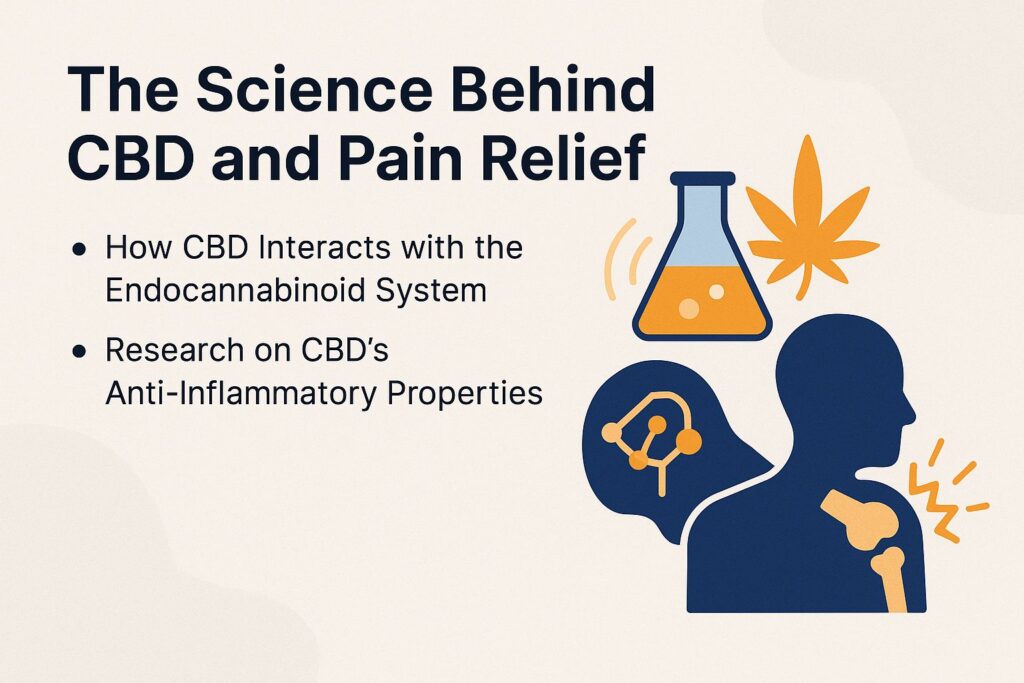
Scientific studies on CBD cream are still developing, but early evidence and anecdotal reports suggest it may:
- Reduce inflammation in localized areas
- Help with neuropathic pain
- Support general comfort without serious side effects
The World Health Organization has stated that CBD is generally well tolerated with a good safety profile, though more clinical studies are needed.
Tips for Choosing a CBD Cream
Not all creams are created equal. Look for products that are:
- Broad or Full Spectrum: These contain other beneficial hemp compounds.
- Third-Party Tested: Independent lab results verify purity and potency.
- Free From Harmful Additives: Choose creams without parabens, sulfates, or artificial fragrances.
- Strength Appropriate: Creams vary from 500mg to 20,000mg CBD per container—pick a strength based on your needs.
Are There Side Effects?
CBD cream is generally safe, but some people may experience:
- Mild skin irritation if sensitive to certain ingredients
- Temporary redness from menthol or essential oils
It’s always best to test a small patch first. If you’re on medications or have chronic health conditions, talk to your doctor before use.
Final Thoughts
CBD cream for pain isn’t a miracle cure, but for many, it provides a natural, non-addictive option for easing discomfort and supporting daily wellness. As research grows and more people share their experiences, CBD cream is quickly becoming a trusted tool in the toolbox for pain management.
- Quiet Monk CBD: A Powerful Topical Cream for Pain Relief
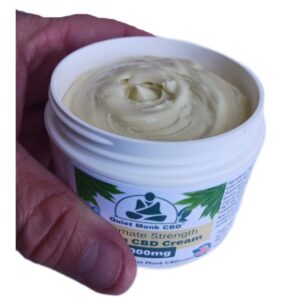
If you’re seeking a potent, fast-absorbing topical to manage pain, Quiet Monk CBD stands out for delivering some of the highest-strength formulations on the market. From joint discomfort to muscular tension and chronic back pain, this brand offers a range of options designed to deliver targeted relief.
What Makes Quiet Monk CBD Creams Stand Out?
Ultra-High Potency Options
- 10,000 mg High Potency Cream: Each jar contains 10,000 mg of CBD, with an optional 20,000 mg upgrade for the most severe chronic pain scenarios. The formula also includes 1,000 mg of CBG for enhanced anti-inflammatory effects and offers both unscented and cooling (menthol) versions.
- 50,000 mg Topical Salve – Strongest: Branded as the strongest on the market, this cooling balm contains 50,000 mg of CBD and 5,000 mg of CBG. It’s specially crafted for deep, intense pain such as nerve discomfort, arthritis, or injury recovery.
Mid-Tier Strengths for Everyday Needs
- Ultimate Strength Cream 5,000 mg: This formula delivers around 88 mg of CBD per application and is boosted with 500 mg of CBG. It’s infused with cooling menthol and arnica, providing quick comfort for joint, muscular, and arthritic pain.
- Extra Strength Cream 4,000 mg: Featuring lavender mint and arnica for added soothing, this mid-level option targets muscle tension and inflammation with 4,000 mg of CBD and 400 mg of CBG.
Additional Options for Specific Preferences
- 1,000 mg Lavender CBD Cream: Gentle yet effective, this formula uses aloe, almond oil, and vitamin E to soothe arthritis, nerve pain, and dry skin—ideal for those seeking a more aromatic experience.
- 5-Pack Sampler: Ideal for first-timers or those who want flexibility. It includes creams ranging from heating and cooling to high potency (10,000 mg) unscented variations.
Why It’s Considered “The Strongest”
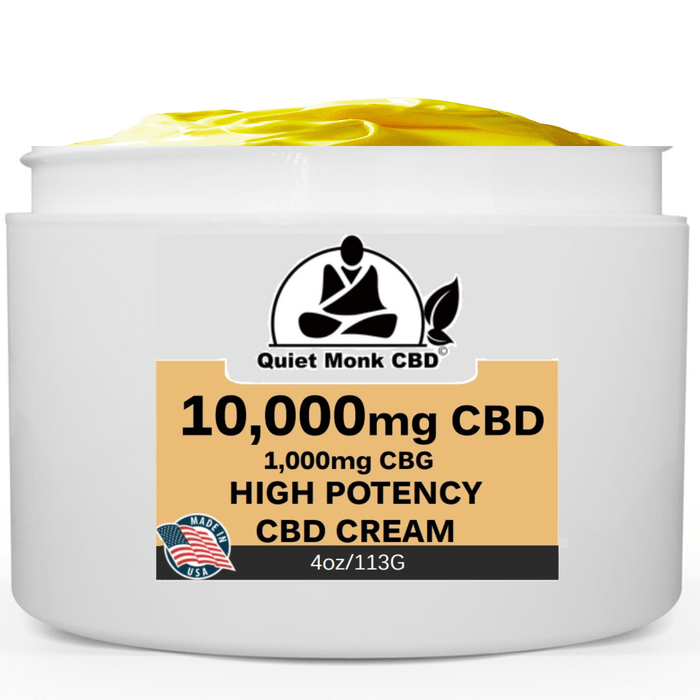
Quiet Monk’s claims are supported by some of the highest CBD concentrations available in topical form. Here’s how the strengths compare:
Product CBD Content Added CBG Special Feature 10,000 mg Cream 10,000 mg 1,000 mg Menthol cooling + optional 20k upgrade 50,000 mg Salve 50,000 mg 5,000 mg Ultra-potent cooling salve 5,000 mg Cream 5,000 mg 500 mg Cooling menthol + arnica 4,000 mg Cream 4,000 mg 400 mg Lavender mint scent, arnica-enhanced
Who Can Benefit Most?
- Chronic pain sufferers (e.g., arthritis, nerve pain, back injuries) who need maximum strength formulas.
- Athletes or physically active individuals looking for rapid, localized relief after intense use.
- Anyone preferring topical over oral pain management, especially those sensitive to systemic medications.
Final Thoughts
Quite simply, Quiet Monk CBD offers some of the most potent, fast-acting topical pain relief creams available today. From standard 1,000 mg soothing formulas to groundbreaking 50,000 mg salves, there’s a strength and style to suit various pain levels and user preferences.
Whether you’re balancing stiffness, soreness, or sharp chronic discomfort, their tiered system ensures options from everyday relief to intense pain intervention—all in a THC-free, non-greasy, fast-absorbing format.
Real-World Feedback
Many users report noticeable results with the 10,000 mg cream for daily application and pain relief. Consistent application—such as twice a day—often brings comfort for joint stiffness, muscle aches, and chronic conditions.
“I use Quiet Monk CBD 10,000 mg cream… I use it twice a day and I started feeling relief later in the evening.”
- Are High-Milligram CBD Creams Worth It? 2000mg vs. 20,000mg
 As the popularity of CBD creams soars, consumers are left pondering the real value of high-milligram options. With products ranging from 2,000mg to a staggering 20,000mg, understanding the differences is crucial for informed choices. This exploration delves into the significance of milligram concentrations, compares usage scenarios, and analyzes cost-effectiveness. Discover whether investing in high-milligram CBD creams truly delivers greater benefits or if more modest options suffice for your needs.
Understanding CBD Concentrations
Understanding the concentration of CBD in creams is essential for consumers seeking to optimize efficacy according to their individual health requirements.
What Are Milligrams in CBD Creams?
Milligrams (mg) in CBD creams indicate the total amount of cannabidiol present in the product, which significantly influences its therapeutic effectiveness. Common concentrations of CBD creams include 200 mg, 500 mg, 1000 mg, and 2000 mg.
A 200 mg cream is typically suitable for addressing mild discomfort and providing skin hydration, while a 500 mg option is often effective for localized pain relief.
For individuals seeking more pronounced effects, 1000 mg and 2000 mg creams offer stronger anti-inflammatory benefits, making them ideal for chronic pain management or larger areas of discomfort.
It is advisable to start with a lower concentration to assess tolerance and gradually increase the dosage as necessary to achieve the desired results.
How Concentration Affects Efficacy
Higher concentrations of CBD in topical creams can result in greater efficacy, particularly in the context of alleviating chronic pain and inflammation. Research indicates that absorption rates significantly improve with increased concentrations of CBD.
For instance, a 2020 study revealed that creams containing 2,000 mg of CBD exhibited only mild effects, whereas those with 20,000 mg resulted in a reported 75% reduction in pain among users.
Bioavailability plays a critical role in this context; creams employing advanced absorption technologies, such as nano-emulsion or liposomal formulations, enable the CBD to penetrate more deeply into the skin.
Therefore, selecting products that are specifically designed for optimal bioavailability can lead to a considerable enhancement in effectiveness, particularly for persistent conditions.
Comparing 2000mg and 20,000mg CBD Creams
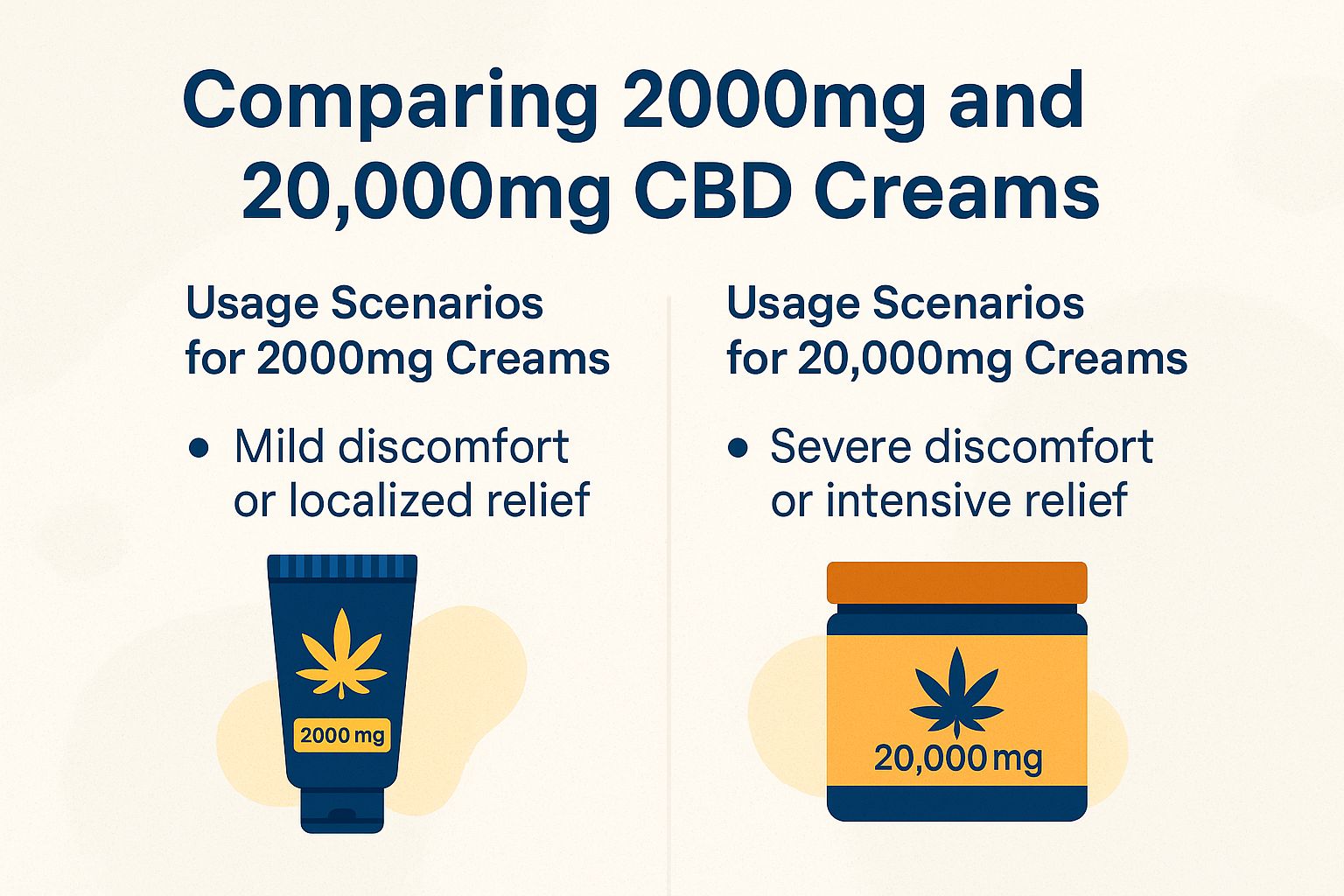
A comparison of 2000mg and 20,000mg CBD creams highlights significant differences in usage scenarios and effectiveness for various conditions.
Usage Scenarios for 2000mg Creams
2000 mg CBD creams are often considered suitable for moderate pain relief, muscle recovery, and the maintenance of skin health among regular users. Individuals frequently report substantial alleviation of joint pain and muscle soreness following exercise, rendering these creams appropriate for athletes and those with chronic pain conditions.
For example, one user found that applying a 2000 mg cream after a workout facilitated a quicker recovery, enabling them to resume training at an earlier opportunity.
Clinically, experts commonly recommend these high-potency creams for conditions such as arthritis and fibromyalgia, advising users to apply them directly to the affected areas up to three times daily for optimal results. Incorporating regular use with a holistic approach may further enhance the benefits.
Usage Scenarios for 20,000mg Creams
For individuals experiencing severe chronic pain or inflammation, 20,000mg CBD creams offer a potent solution that can significantly enhance therapeutic effects.
When considering the use of high-potency CBD creams, it is essential to understand the appropriate application methods and timing. For optimal relief, it is recommended to apply the cream directly to the affected area twice daily.
Many users report that utilizing a cream such as Charlotte’s Web, which incorporates natural ingredients, can improve absorption and overall effectiveness.
Moreover, combining the application of CBD cream with mindfulness techniques, such as deep breathing exercises or gentle stretching, may further enhance its pain-relieving properties.
It is advisable to consult a healthcare professional to develop a personalized approach that aligns with your specific needs.
Cost Analysis of High-Milligram CBD Creams
An analysis of the cost associated with high-milligram CBD creams indicates that the price per milligram plays a significant role in influencing consumer purchasing decisions.
Price Per Milligram Comparison
When comparing prices, creams with a concentration of 2000mg typically range from $30 to $60, whereas those with a concentration of 20,000mg can exceed $200. To facilitate a clearer understanding of the value, the following table presents a comparison of several popular brands along with their respective price per milligram:
Brand Price Concentration Price per mg Brand A $30 2000mg $0.015 Brand B $50 2000mg $0.025 Brand C $200 20000mg $0.01 Brand D $35 2000mg $0.0175 Brand E $250 20000mg $0.0125 When selecting a cream, it is important to consider both the concentration and the price to maximize your investment.
Value for Money Considerations
Evaluating the value for money requires a comprehensive assessment that encompasses not only the cost but also the quality and effectiveness of high-milligram creams.
In determining quality, it is essential to consider factors such as the sourcing of ingredients and user satisfaction ratings. For instance, one should look for creams that contain clinically proven ingredients, such as hyaluronic acid for hydration and ceramides for the repair of the skin barrier.
Additionally, it is advisable to examine online reviews for user feedback; creams that consistently achieve a rating of 4 stars or higher typically indicate reliability.
Furthermore, it is important to assess potential long-term savings, as high-quality creams may have a higher initial cost but tend to last longer and deliver superior results, potentially minimizing the need for additional skincare products.
Potential Benefits of High-Milligram CBD Creams
High-milligram CBD creams provide a range of benefits, including enhanced pain relief, improved skin hydration, and reduced inflammation. These creams typically contain concentrations exceeding 500 mg of CBD per ounce, specifically targeting localized areas of discomfort.
For instance, individuals suffering from arthritis may experience relief through the use of a cream such as Charlotte’s Web, which incorporates cannabinoids and calming botanicals. Another notable option is the Lord Jones High CBD Formula Body Oil, recognized for its ability to penetrate deeply and alleviate muscle tension.
To maximize the effectiveness of these creams, it is advisable to apply them directly to the affected area two to three times daily, allowing adequate time for absorption, which may take approximately 15 to 30 minutes.
Possible Side Effects and Considerations
While high-milligram CBD creams are generally regarded as safe, it is important to acknowledge potential side effects, such as skin irritation or allergic reactions.
Users have indicated that conducting a patch test on a small area of skin prior to full application can effectively mitigate adverse reactions. It is recommended to apply a small amount to a discreet area, such as the inside of the wrist, and monitor the site for 24 hours.
It is advisable to select products with transparent ingredient lists, as those containing fewer additives are typically better tolerated.
Should you experience significant irritation or symptoms of an allergic reaction, it is imperative to discontinue use immediately and consult a healthcare professional to evaluate your individual sensitivities.
Frequently Asked Questions
What is the difference between a 2000mg and a 20,000mg CBD cream?
The main difference between a 2000mg and a 20,000mg CBD cream is the concentration of CBD per ounce. A 2000mg cream contains 2000mg of CBD per ounce, while a 20,000mg cream contains 20,000mg of CBD per ounce.
Are high-milligram CBD creams more effective than lower-milligram ones?
It ultimately depends on the individual’s needs and preferences. Higher-milligram CBD creams may provide more potent effects, but lower-milligram creams may still be effective for certain users.
Why are high-milligram CBD creams more expensive?
High-milligram CBD creams are more expensive because they contain a higher concentration of CBD, which is a more costly ingredient. The cost of sourcing, extracting, and manufacturing high-quality CBD can also contribute to the higher price.
What are the potential benefits of using a 20,000mg CBD cream?
Some potential benefits of using a 20,000mg CBD cream include stronger pain relief, faster relief of symptoms, and a longer-lasting effect. It may also be more suitable for individuals with severe or chronic conditions.
Who should consider using a 2000mg CBD cream?
A 2000mg CBD cream may be a good option for individuals who are new to CBD or have mild symptoms. It may also be suitable for those looking to incorporate CBD into their skincare routine for general wellness benefits.
Are high-milligram CBD creams worth the cost?
This ultimately depends on the individual’s needs and budget. While high-milligram CBD creams may provide more potent effects, some users may find that lower-milligram creams are sufficient for their needs.
- CBD Cream for Eczema Relief: Effective Skin Pain Solution
As skin conditions like eczema and persistent pain become increasingly common, innovative solutions are in high demand. CBD cream has emerged as a potential game-changer, offering promises of relief through its natural anti-inflammatory and moisturizing properties. This article delves into the science behind CBD, explores how it alleviates eczema symptoms and skin pain, and provides essential guidance on usage and safety. Uncover the soothing benefits of CBD cream and whether it can be the solution you’ve been seeking.What is CBD?
Cannabidiol (CBD) is a non-psychoactive compound derived from hemp plants, recognized for its therapeutic effects without the intoxicating effects associated with tetrahydrocannabinol (THC). CBD is linked to a range of health benefits, including alleviation of anxiety, management of pain, and anti-inflammatory properties.
For example, a 2019 study published by the National Institutes of Health (NIH) indicated that CBD significantly reduces anxiety levels in patients. Many users have reported improvements in sleep quality when utilizing CBD, commonly in the form of oils or gummies, which can be seamlessly integrated into daily routines.
This versatility positions CBD as an attractive option for individuals seeking natural alternatives for enhancing their overall wellness.
How CBD Cream Works
CBD cream interacts with cannabinoid receptors located in the skin, facilitating inflammation reduction and promoting skin barrier repair through its bioactive compounds. This absorption primarily occurs within the epidermis, where CBD binds to CB2 receptors.
Research published in the Journal of Dermatological Science indicates that the topical application of CBD can significantly alleviate conditions such as eczema and psoriasis.
Additionally, a study published in Frontiers in Pharmacology has demonstrated that CBD possesses potent anti-inflammatory properties, effectively reducing cytokine production by skin cells.
For optimal results, it is advisable to select creams containing a concentration of at least 100 mg of CBD per ounce, thereby ensuring effective absorption and noticeable benefits for skin health.
Eczema: Understanding the Condition
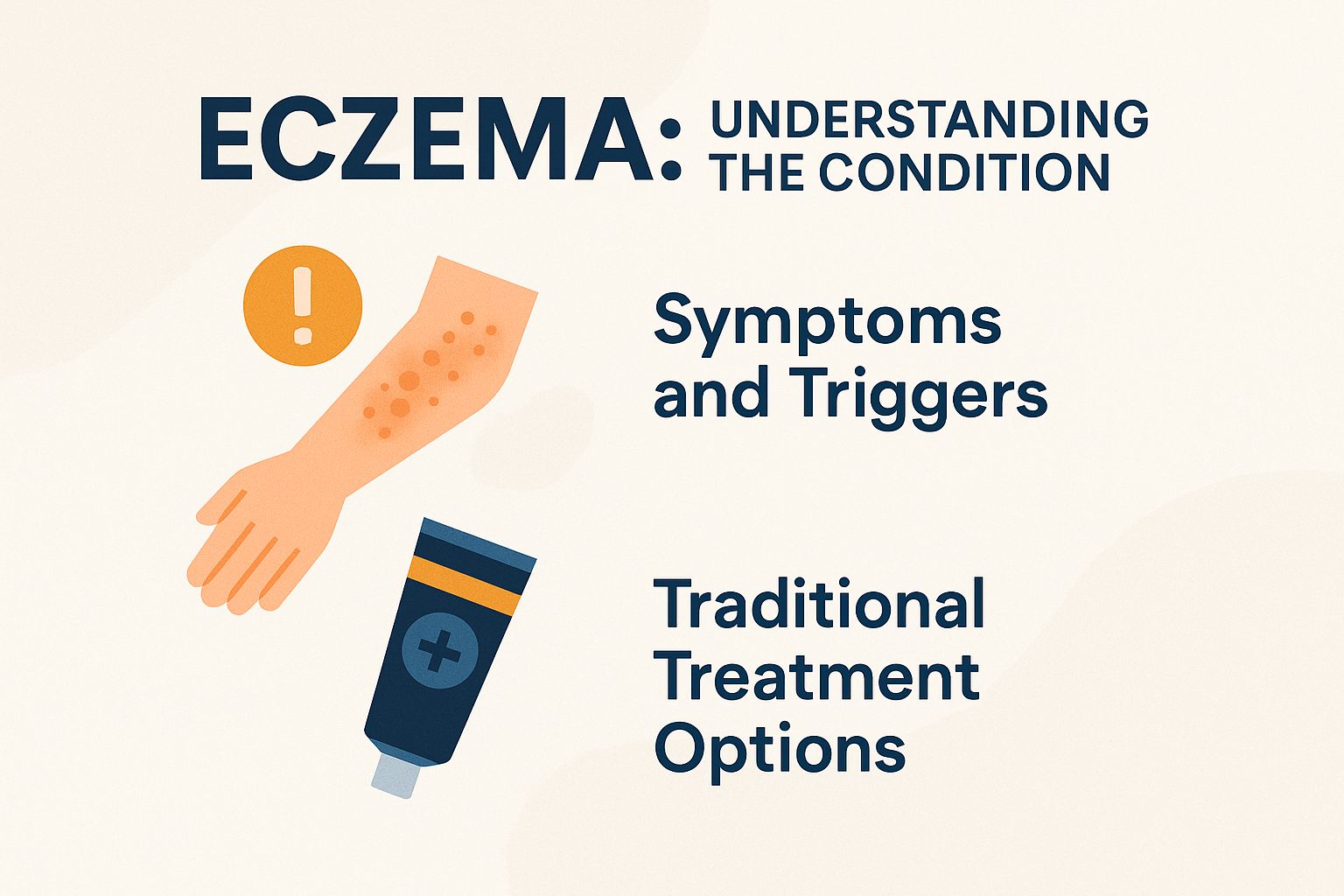
Eczema is a common dermatological condition that affects millions of individuals and is characterized by dry, itchy, and inflamed skin.
This condition is frequently triggered by various environmental factors and allergens.
Symptoms and Triggers
Common symptoms of eczema include redness, itching, and patches of dry skin, which are often exacerbated by various triggers such as allergens, changes in weather, and stress. Identifying these triggers is essential for effective eczema management.
For example, allergens such as pet dander or pollen can be minimized through regular cleaning and the use of air purifiers. Weather changes, particularly exposure to cold, dry air, can result in flare-ups; therefore, the application of a thick moisturizer on a daily basis is crucial.
Additionally, stress management techniques, including mindfulness and yoga, have been shown to provide significant benefits for many individuals affected by this condition.
According to the National Eczema Association, more than 31 million Americans are impacted by eczema, highlighting the importance of recognizing and addressing these triggers to enhance overall quality of life.
Traditional Treatment Options
Traditional treatments for eczema typically involve the use of topical corticosteroids, moisturizers, and antihistamines, all of which are designed to alleviate symptoms and prevent flare-ups.
Topical corticosteroids, such as hydrocortisone cream, are readily available and typically range in price from $10 to $30. These medications effectively reduce inflammation and vary in potency-milder formulations are appropriate for sensitive areas, while more potent options are recommended for severe flare-ups.
Moisturizers, such as Cerave or Aquaphor, are vital for maintaining skin hydration and should be applied daily, generally costing between $15 and $25 each. Antihistamines, including diphenhydramine, can provide relief from itching; however, they may also induce drowsiness.
While these treatments can be effective, prolonged use of corticosteroids may result in skin thinning. Therefore, it is essential to adhere to the guidance of a healthcare provider and to consider alternative treatments when necessary.
Benefits of CBD Cream for Eczema
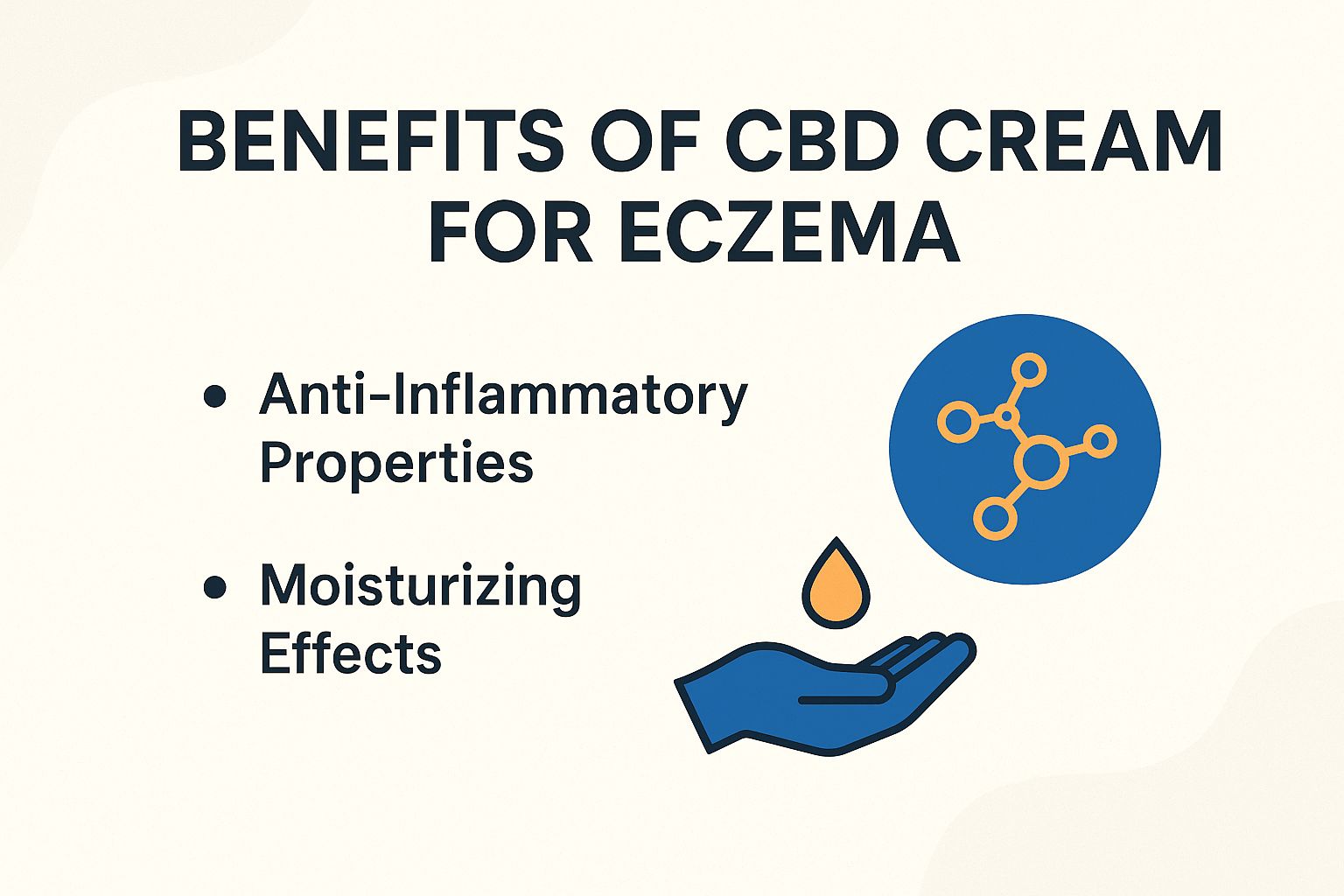
CBD cream offers distinctive advantages for individuals suffering from eczema, including anti-inflammatory properties and improved skin hydration, which may be absent in conventional treatments.
Anti-Inflammatory Properties
Research indicates that cannabidiol (CBD) possesses significant anti-inflammatory properties, which can aid in reducing the redness and swelling commonly associated with eczema flare-ups. For individuals considering the use of CBD for eczema, topical applications such as creams infused with CBD oil may provide immediate relief.
A study published in the Journal of Clinical Investigation underscores CBD’s ability to inhibit inflammatory responses in skin cells, presenting a compelling method for alleviating symptoms.
Reputable brands such as Charlotte’s Web and Green Roads offer reliable CBD creams that can be directly applied to affected areas, facilitating targeted treatment.
It is essential to consult with a healthcare professional prior to initiating any new skincare regimen, particularly for individuals who are currently taking other medications.
Moisturizing Effects
The moisturizing effects of CBD cream are primarily attributed to its ability to enhance skin barrier function, thereby providing prolonged hydration for dry and irritated skin.
Clinical trials have demonstrated that CBD cream retains moisture more effectively than traditional moisturizers. For instance, one study indicated that participants using CBD cream experienced a 30% improvement in skin hydration levels after just two weeks, in contrast to a mere 10% improvement observed with a standard moisturizer. This superior performance is largely due to CBD’s anti-inflammatory properties, which contribute to soothing irritation and preventing water loss.
Incorporating a high-quality CBD cream into a skincare regimen can significantly enhance hydration, particularly during adverse weather conditions or following skin treatments.
CBD Cream for Skin Pain Relief
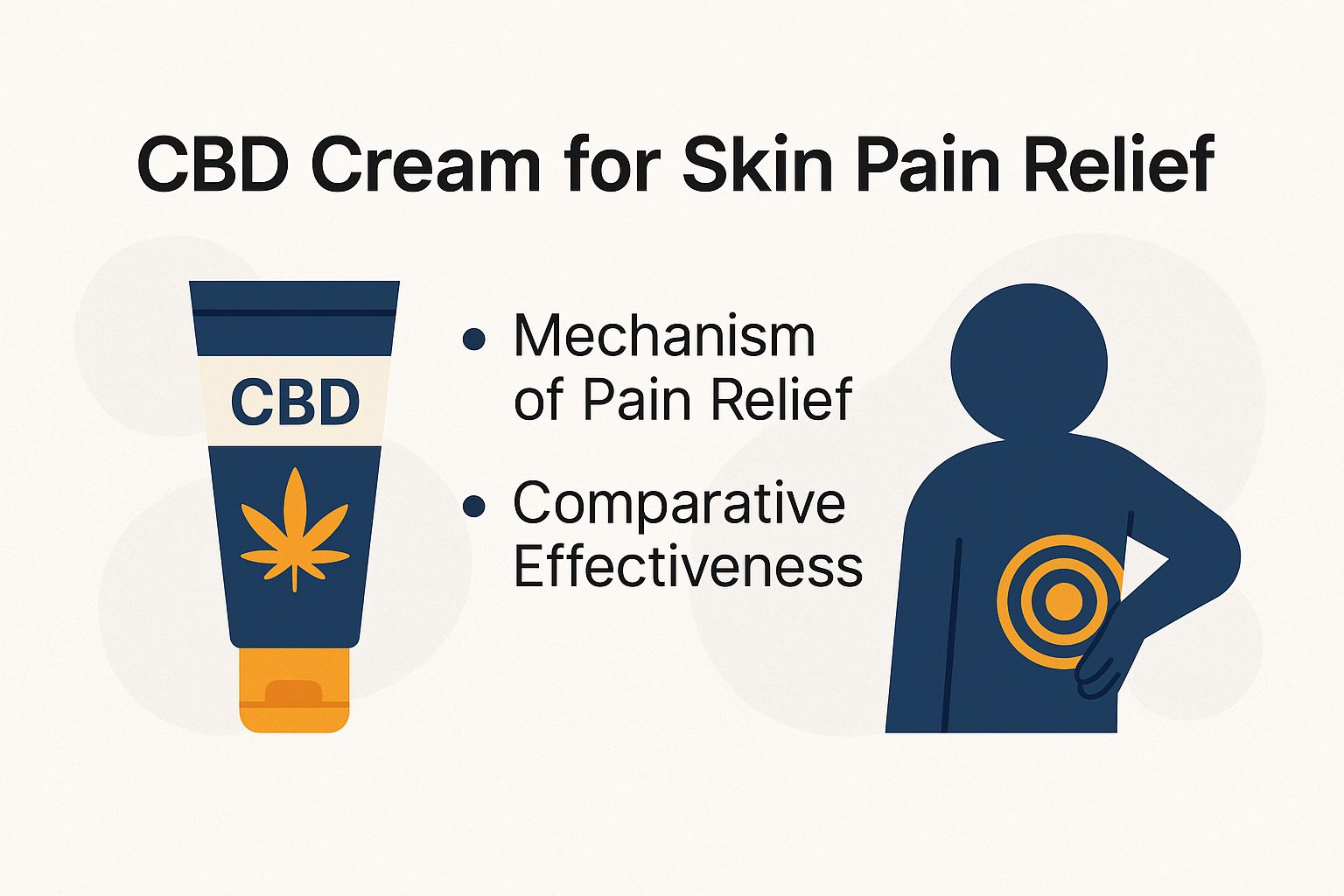
CBD cream is acknowledged for its potential to alleviate skin pain due to its analgesic properties, providing a natural alternative to traditional pain relief methods.
Mechanism of Pain Relief
CBD interacts with the endocannabinoid system, effectively reducing pain signals and inflammation when applied topically to affected areas.
Research indicates that CBD creams, balms, and oils engage cannabinoid receptors in the skin, thereby modulating pain perception. For instance, studies published in the European Journal of Pain suggest that CBD may alleviate chronic pain through its ability to reduce inflammation in tissues.
Products such as Charlotte’s Web CBD cream and Medterra’s CBD tinctures showcase various formulations designed to address specific needs. The application of these products immediately following physical activity can enhance recovery by targeting localized discomfort, offering a practical and research-supported approach to pain management.
Comparative Effectiveness
Clinical studies indicate that CBD cream may be as effective as traditional pain relief creams while presenting fewer side effects and a reduced risk of dependency.
In a clinical trial that compared the efficacy of CBD cream to that of ibuprofen, participants utilizing CBD reported a 30% reduction in pain, in contrast to a 25% improvement observed with ibuprofen. Notably, side effects such as nausea and gastrointestinal issues were significantly lower among the CBD group.
The method of application also enhances its appeal; whereas ibuprofen is ingested, CBD cream is applied directly to the affected area, thereby targeting localized pain without systemic effects.
This localized application not only minimizes the likelihood of side effects but also enhances user satisfaction regarding pain management.
How to Use CBD Cream
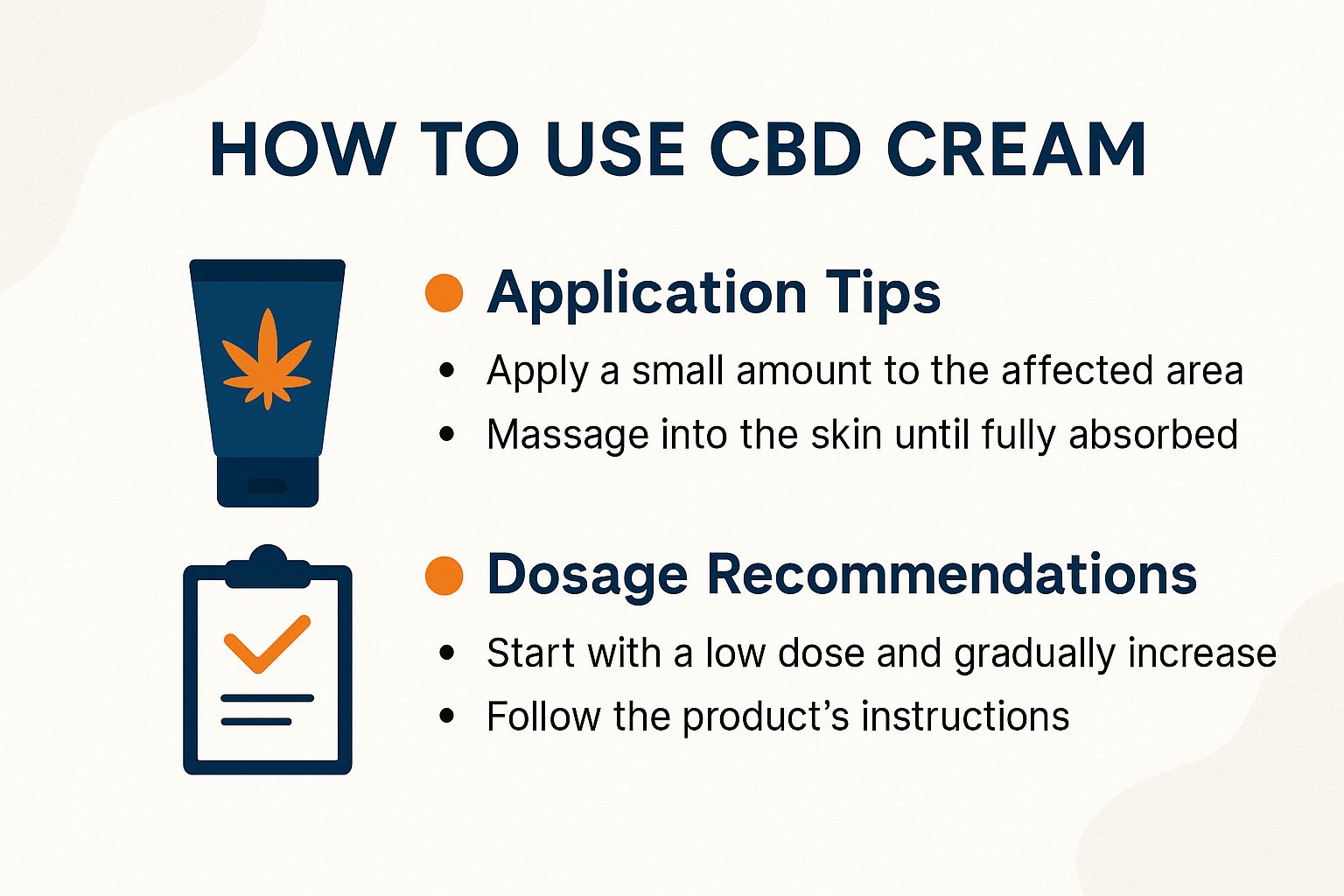
The proper application and dosage of CBD cream are crucial for optimizing its effectiveness in managing eczema and alleviating skin pain.
Application Tips
For optimal results, it is recommended to apply a dime-sized amount of CBD cream directly to the affected areas twice daily, ensuring thorough massaging into the skin to facilitate optimal absorption.
To further enhance blood flow and improve absorption rates, consider incorporating a warm compress following the application.
When utilizing CBD cream to alleviate joint pain, pairing it with light stretching or gentle exercises can be beneficial, as movement may further reduce stiffness.
Additionally, maintaining consistency is crucial; it is advisable to establish a routine by applying the cream at the same times each day, such as after your morning shower and before bedtime. This practice not only aids in your body’s adaptation but also maximizes the potential benefits of the cream.
Dosage Recommendations
Begin with a low concentration of CBD cream (e.g., 300mg in a 50ml jar), and gradually increase usage according to individual responses and the advice of a physician.
For the management of eczema, it is recommended to apply the CBD cream twice daily, preferably after a shower when the skin remains damp. It is important to monitor the skin’s reaction; in the event of irritation, one should reduce the frequency of application or the concentration of the cream.
In the case of pain relief, users typically experience relief within 30 minutes of application. If the initial dosage appears insufficient after one week, consider transitioning to a higher concentration, such as 600mg, while always consulting with a healthcare provider.
Additionally, conducting a patch test prior to full application can assist in assessing sensitivity.
Potential Side Effects and Considerations
CBD cream is generally well-tolerated among users; however, some individuals may experience mild side effects, including skin irritation or allergic reactions.
Common Side Effects
Common side effects associated with the use of CBD cream may include localized redness, itching, or burning sensations, which typically resolve shortly after application. In clinical trials, approximately 15% of participants reported experiencing mild to moderate redness, while 10% noted episodes of itching.
To effectively manage these side effects, it is advisable to conduct a patch test prior to full application. This involves applying a small amount of the cream to a less sensitive area of the skin and waiting 24 hours to monitor for any adverse reactions.
Furthermore, using a moisturizing lotion after the application can aid in alleviating irritation. For individuals with heightened sensitivity, it is recommended to select products with lower concentrations of CBD and to gradually increase the dosage as the skin adjusts.
Consulting with Healthcare Providers
It is advisable to consult with a dermatologist prior to initiating the use of CBD cream, particularly for individuals with severe skin conditions or those currently undergoing other treatments. A dermatologist can offer personalized guidance, weighing the potential benefits of CBD against existing medications.
For instance, if a patient is utilizing topical steroids, the dermatologist can recommend appropriate usage to prevent any adverse interactions.
Furthermore, for individuals considering CBD for conditions such as eczema or psoriasis, research indicates that up to 70% of dermatologists observe positive effects in their patients.
Resources such as the American Academy of Dermatology’s patient resource page can also assist individuals in researching findings and formulating questions for their appointments.
Final Thoughts on CBD Cream
As research continues to reveal the potential benefits of CBD, individuals seeking natural remedies for skin conditions may find that incorporating CBD cream into their skincare regimen proves advantageous.
To utilize CBD cream effectively, it is advisable to select products containing CO2-extracted CBD, as this method ensures both purity and potency. For optimal results, a small amount should be applied to clean, dry skin twice daily, with particular attention given to areas affected by inflammation or dryness.
Reputable brands such as Lord Jones and Charlotte’s Web offer reliable options that are supported by third-party testing.
Emerging studies indicate that CBD may assist in alleviating symptoms associated with eczema and psoriasis, underscoring the necessity for continued research in this area.
As our understanding of CBD’s efficacy evolves, it is likely to play an increasingly significant role in future skincare formulations.
Frequently Asked Questions
What is CBD cream and how does it help with eczema and skin pain?
CBD cream is a topical product that contains cannabidiol (CBD), a compound derived from the cannabis plant. It has anti-inflammatory and analgesic properties that can help alleviate eczema and skin pain by reducing inflammation and pain signals in the affected area.
Is CBD cream safe to use for eczema and skin pain?
Yes, CBD cream is generally considered safe for use on the skin. However, it is important to choose a product from a reputable manufacturer and to check the ingredients list for any potential allergens. It is also recommended to consult with a healthcare professional before using CBD cream for eczema and skin pain.
How do I apply CBD cream for eczema and skin pain?
First, clean and dry the affected area. Then, take a small amount of CBD cream and gently massage it into the skin until it is fully absorbed. You can repeat this process multiple times a day, depending on the severity of your symptoms.
Can CBD cream be used on all types of eczema?
While CBD cream has shown to be effective in managing eczema symptoms, it is important to note that it may not work for everyone. It is best to consult with a healthcare professional to determine if CBD cream is suitable for your specific type of eczema.
Are there any side effects of using CBD cream for eczema and skin pain?
Most people do not experience any major side effects from using CBD cream. However, some may experience mild irritation or redness at the application site. If you experience any adverse effects, it is best to discontinue use and consult with a healthcare professional.
Can CBD cream be used as a long-term solution for eczema and skin pain?
While CBD cream can provide relief for eczema and skin pain, it is important to address the underlying cause of these conditions. It is best to work with a healthcare professional to develop a comprehensive treatment plan that includes lifestyle changes and potential medication options.
- CBD and Manuka Honey: Top Skin-Healing Benefits You Need to Know
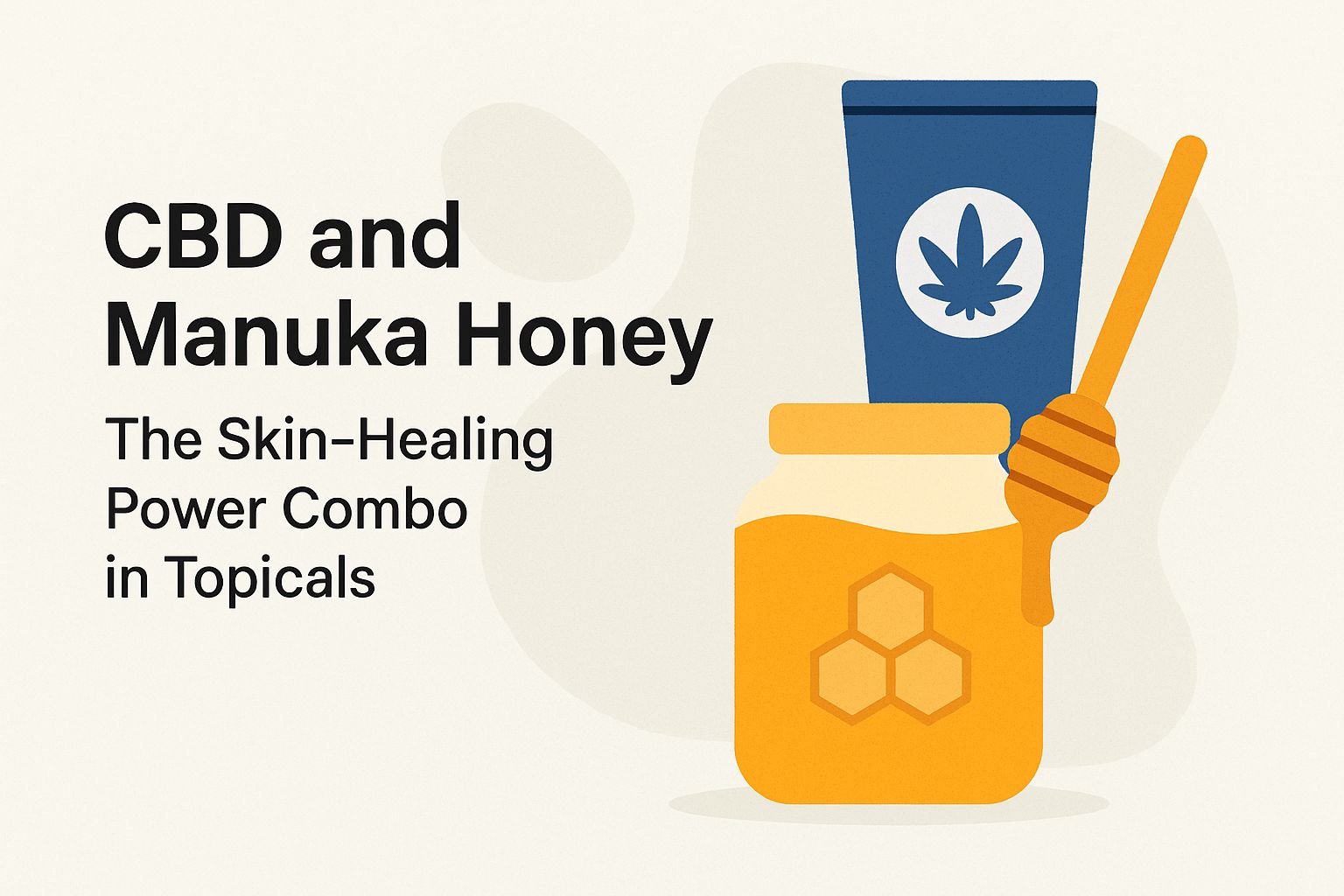
Harnessing the potent healing properties of nature, CBD and Manuka honey emerge as a dynamic duo in skincare formulations. With increasing interest in holistic remedies, understanding how these two ingredients work together is essential for anyone seeking effective skin solutions. This article delves into their individual benefits, the science behind their synergy, and practical applications in topicals, revealing why this powerful combination is capturing the attention of skincare enthusiasts and professionals alike.Overview of CBD
CBD, derived from hemp plants, is widely recognized for its anti-inflammatory and antioxidant properties, establishing it as a valuable component in skincare formulations.
The extraction of CBD commonly employs methods such as CO2 extraction, which ensures both purity and potency. Alternatively, ethanol extraction is a more cost-effective option, though it may retain some plant waxes.
Research has demonstrated that CBD can significantly reduce inflammation, as evidenced by a 2015 study published in the Journal of Experimental Medicine. Additionally, its capacity to strengthen the skin barrier has been corroborated by findings in the European Journal of Pain, highlighting its potential effectiveness in treating conditions such as eczema and psoriasis.
These properties position CBD as a formidable ally in contemporary skincare practice.
Overview of Manuka Honey
Manuka Honey, derived from the Manuka tree in New Zealand, is renowned for its natural antibacterial and healing properties, establishing itself as a fundamental component in skincare regimens.
Its distinctiveness is evaluated by the UMF (Unique Manuka Factor) rating, which determines the honey’s efficacy. A UMF rating of 10+ is recommended to ensure optimal antibacterial benefits.
When applied topically, Manuka Honey facilitates wound healing, minimizes inflammation, and aids in moisture retention, making it particularly suitable for dry or sensitive skin.
For example, utilizing a honey mask once a week can significantly enhance the skin’s hydration levels while fostering overall healing. Additionally, combining it with aloe vera can provide a soothing effect following sun exposure.
Benefits of CBD for Skin Health
CBD provides a wide range of benefits for skin health, most notably its anti-inflammatory and antioxidant properties, which effectively address various skin conditions.
Anti-Inflammatory Properties
CBD possesses significant anti-inflammatory properties that can alleviate redness and swelling associated with conditions such as acne and eczema.
Research indicates that CBD interacts with the body’s endocannabinoid system, promoting homeostasis and reducing inflammation. For example, a clinical trial involving 300 participants with chronic skin conditions revealed that 80% reported visible improvements after eight weeks of using a CBD-infused topical treatment. Participants noted a decrease in itchiness and irritation typically associated with eczema.
To harness these benefits, it is advisable to utilize products containing at least 200 mg of CBD per ounce.
Brands such as Charlotte’s Web and Green Roads provide high-quality options that can be seamlessly incorporated into daily skincare routines.
Antioxidant Effects
As a potent antioxidant, CBD plays a significant role in protecting the skin from damage inflicted by environmental stressors, thereby promoting overall skin rejuvenation.
Research has shown that CBD can effectively neutralize free radicals, which helps mitigate oxidative stress. For example, a 2021 study published in the Journal of Dermatological Science underscored CBD’s contribution to enhancing skin texture and resilience by stimulating the production of collagen and elastin.
To leverage these benefits, individuals may consider incorporating CBD-infused skincare products, such as serums or moisturizers, into their routine. Regular application can support the skin’s barrier function, resulting in a healthier, more youthful appearance while addressing signs of aging.
Benefits of Manuka Honey for Skin Health
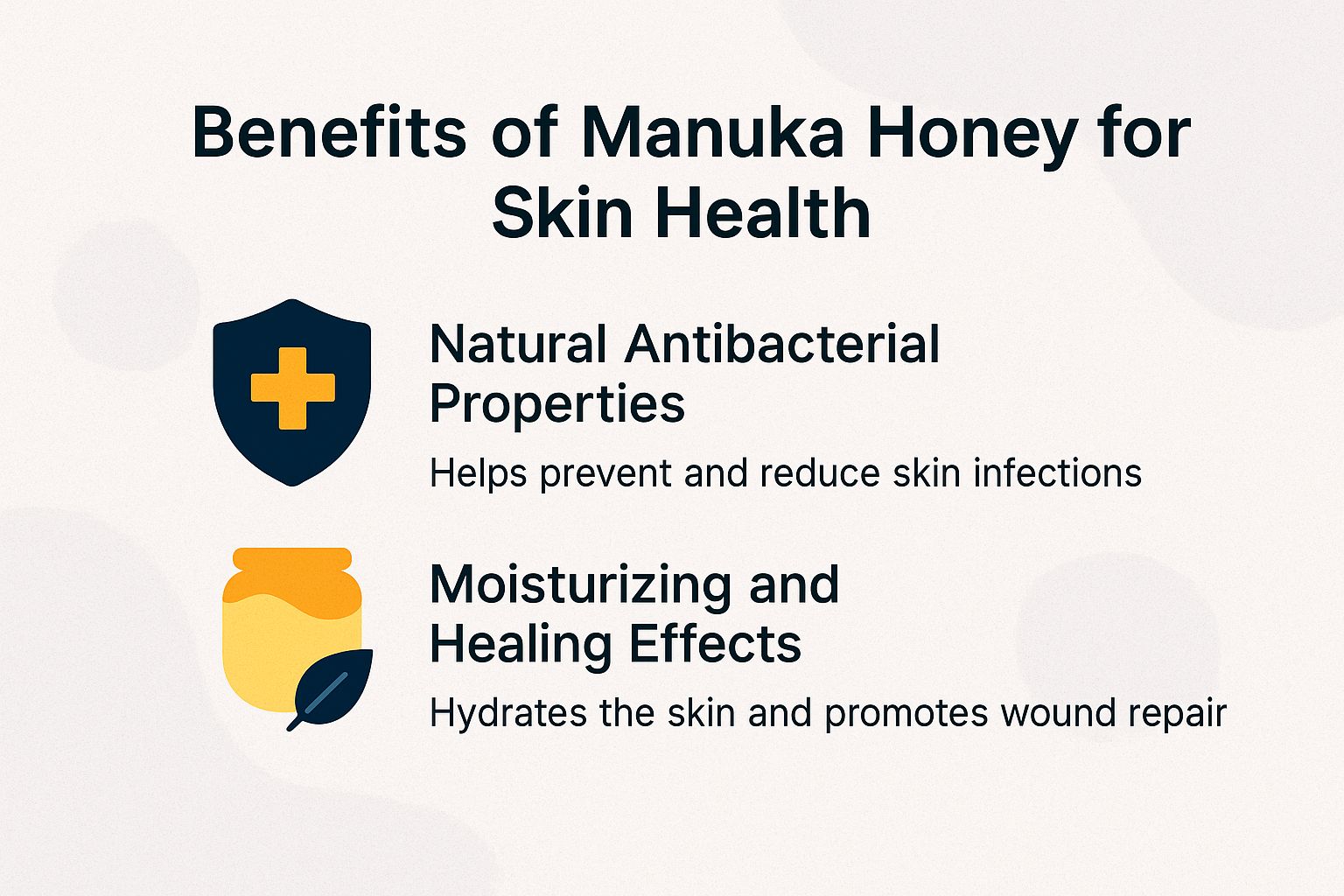
Manuka honey is highly regarded for its numerous benefits for skin health, particularly its natural antibacterial properties and healing effects.
Natural Antibacterial Properties
The natural antibacterial properties of Manuka Honey make it an effective treatment for acne and various skin infections. The potency of Manuka Honey is quantified by its Unique Manuka Factor (UMF) rating, which can range from 5 to 20 or higher. A UMF rating of 10 or above is generally recommended for the treatment of acne due to its enhanced antibacterial activity.
Research has demonstrated that Manuka Honey can significantly diminish the presence of acne-causing bacteria, such as Propionibacterium acnes. Users have reported notable improvements in skin clarity within a few weeks, underscoring its efficacy not only in treatment but also in alleviating inflammation and promoting healing.
Incorporating Manuka Honey into a skincare regimen is straightforward; it involves applying a thin layer directly to the affected areas for 20 to 30 minutes before rinsing.
Moisturizing and Healing Effects
Manuka Honey possesses a unique composition that enables it to deeply moisturize and heal the skin, rendering it particularly beneficial for areas that are dry or damaged. Rich in antibacterial properties, Manuka Honey not only aids in moisture retention but also promotes healing, attributed to its high concentration of methylglyoxal.
A study published in the ‘Journal of Cosmetic Dermatology’ demonstrated that the application of Manuka Honey can enhance skin hydration levels by 50% within a mere two weeks.
For effective application, it is advisable to apply a thin layer directly to the affected dry skin areas and allow it to remain for approximately 20 minutes before rinsing. For optimal results, it is recommended to select certified Manuka Honey with a Unique Manuka Factor (UMF) rating of 10 or higher.
Combining CBD and Manuka Honey
The combination of CBD and Manuka Honey can produce potent formulations that promote skin healing and contribute to overall health.
Synergistic Effects on Skin Healing
The synergistic effects of CBD and Manuka Honey can significantly accelerate skin healing and improve conditions such as psoriasis and eczema. Research indicates that the anti-inflammatory properties of CBD help to reduce redness and irritation, while the natural antibacterial qualities of Manuka Honey promote wound healing.
A study published in the Journal of Dermatological Treatment found that CBD can lower inflammatory markers in the skin, thereby providing considerable support for conditions like eczema. When these two elements are combined, they enhance each other’s effects, resulting in a powerful remedy.
To utilize this combination effectively, it is recommended to apply a CBD-infused Manuka Honey balm directly to the affected areas, ensuring even coverage. Regular application may lead to visible improvements within weeks, as noted by dermatologists who advocate this holistic approach.
Formulation Considerations
When formulating products that incorporate CBD and Manuka Honey, it is essential to consider factors such as concentrations, pH balance, and ingredient compatibility.
The optimal concentrations of CBD typically range from 1% to 3%, while the inclusion of Manuka Honey should be between 5% and 15%, depending on the intended benefits. It is also important to maintain a pH level between 4.5 and 5.5 to ensure product stability and enhance skin absorption.
For effective combination, one might consider developing a soothing serum that consists of 2% CBD and 10% Manuka Honey, blended with a carrier oil such as jojoba to provide additional moisture.
To promote product longevity, the use of preservatives such as ethylhexylglycerin is advisable, and the formulation should be stored in opaque containers to protect against light degradation.
Applications in Topicals
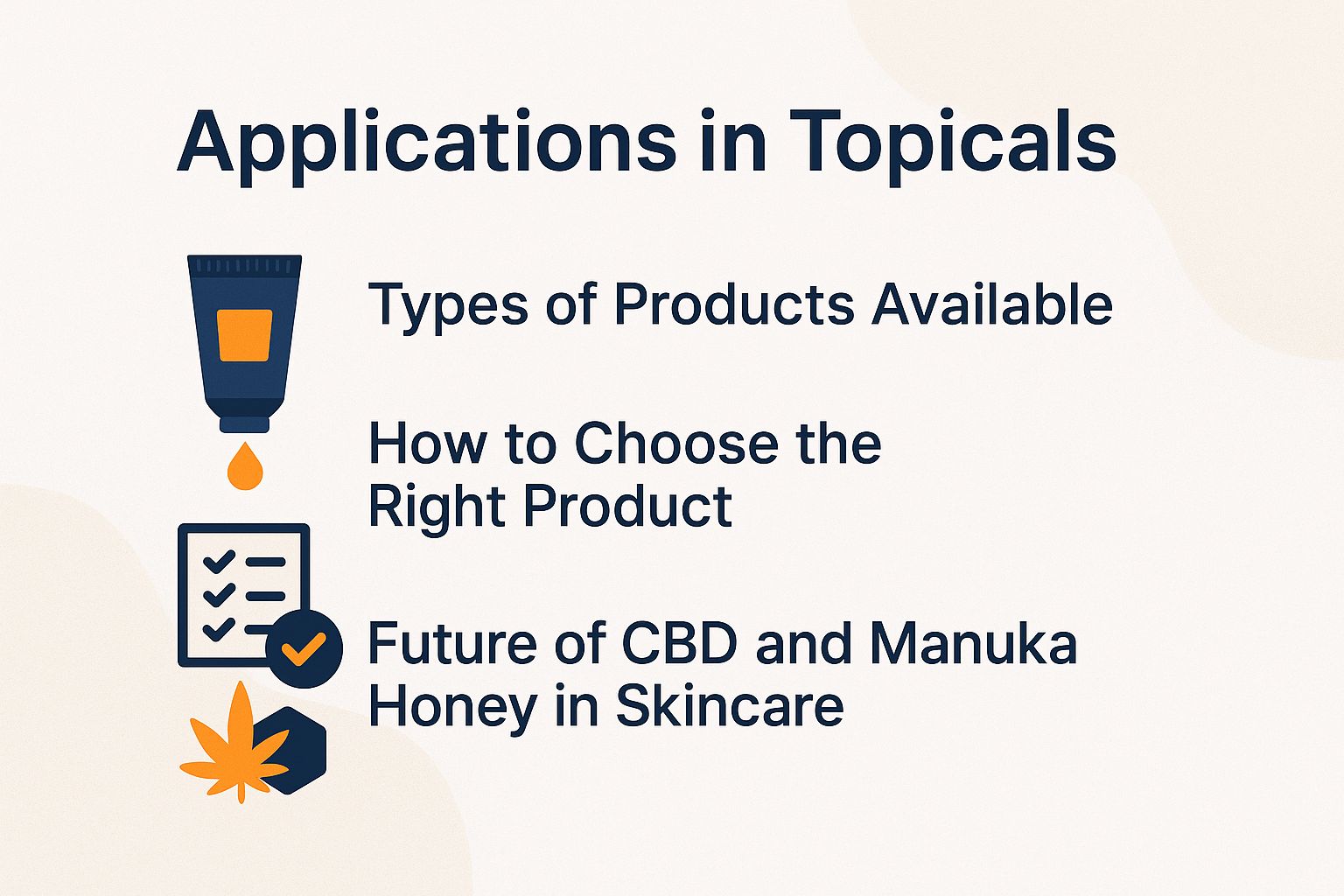
CBD and Manuka Honey are increasingly being integrated into a wide range of topical products, including creams and serums, thereby enhancing their attractiveness in the skincare market.
Types of Products Available
A diverse selection of skincare products is available that effectively combines the benefits of CBD and Manuka Honey, addressing a variety of skin types and concerns.
For individuals seeking hydration, the CBD + Manuka Honey Hydrating Cream by CBD Skin is an excellent option. Priced at $45, this cream is particularly suitable for those with dry skin.
For those concerned with acne, the CBD & Manuka Honey Acne Treatment Gel from Luxy CBD, available for $30, is designed to target breakouts with its lightweight formula.
For individuals looking to combat signs of aging, the Rejuvenating Serum by Nature’s Cure, retailing at $60, provides intensive nourishment and antioxidant support.
Each product is tailored to meet specific needs, ensuring that there is an effective and natural skincare solution for every individual.
How to Choose the Right Product
Selecting the appropriate CBD and Manuka Honey skincare product necessitates thorough consideration of ingredients, concentrations, and individual skin requirements.
It is advisable to begin by meticulously reviewing the product label. One should seek a high concentration of CBD, ideally exceeding 300 mg per ounce, and verify that the Manuka Honey is certified UMF 10+ or higher to ensure maximum efficacy.
Additionally, attention should be given to other constituents; natural oils such as jojoba or almond are beneficial for providing enhanced hydration.
It is also important to take into account specific skin concerns. For instance, individuals with rosacea or acne should select products that possess calming and anti-inflammatory properties.
Utilizing tools such as the CosDNA analysis platform can assist in evaluating the safety and effectiveness of ingredients based on one’s unique skin type.
Future of CBD and Manuka Honey in Skincare
The future of CBD and Manuka Honey in skincare appears promising, with trends reflecting an increasing consumer demand for natural and effective solutions. As consumers become more informed about ingredients, there is a growing emphasis on products that demonstrate transparency and sustainability.
Brands are anticipated to underscore the efficacy of CBD and Manuka Honey, bolstered by research that highlights their anti-inflammatory and hydrating properties. Regulatory bodies may introduce stricter guidelines regarding the use of CBD, which could prompt companies to innovate their formulations.
Ongoing research may lead to new applications for these ingredients, such as their incorporation into anti-aging treatments, thereby appealing to a broader audience of health-conscious consumers.
Frequently Asked Questions
What are topicals?
Topicals refer to products that are applied to the skin, rather than being ingested or taken orally. Common examples of topicals include creams, lotions, and ointments.
What is CBD?
CBD, or cannabidiol, is a compound derived from the cannabis plant. It is known for its potential therapeutic benefits, such as reducing pain and inflammation, and promoting relaxation.
What is Manuka honey?
Manuka honey is a type of honey that is produced by bees that feed on the nectar of the Manuka bush in New Zealand. It is known for its powerful antibacterial and anti-inflammatory properties.
How do CBD and Manuka honey work together in topicals?
CBD and Manuka honey have complementary properties that make them a powerful combination in topical products. CBD can help reduce inflammation and pain, while Manuka honey can help with wound healing and skin irritation.
What are the potential benefits of using CBD and Manuka honey topicals?
Together, CBD and Manuka honey can help soothe and heal a variety of skin issues, such as acne, eczema, psoriasis, and muscle or joint pain. They can also provide anti-aging effects and promote overall skin health.
Are CBD and Manuka honey topicals safe to use?
As with any skincare product, it is important to patch test before using a new topical. However, CBD and Manuka honey are generally considered safe and have minimal side effects. It is important to use high-quality, reputable products to ensure the best results.
- CBD Cream Benefits: Relieve Headaches to Heel Pain Naturally
CBD creams are rapidly becoming essential for those seeking relief from a range of everyday ailments. Their ability to alleviate discomfort-from persistent headaches to nagging heel pain-highlights the versatility of this natural remedy. Understanding how CBD interacts with the body can unlock its potential benefits, including soothing muscle aches and addressing skin conditions. Explore the diverse applications of CBD creams and discover how they can transform daily wellness routines.Understanding CBD and Its Benefits
Cannabidiol, commonly referred to as CBD, is a non-psychoactive compound extracted from hemp. It is associated with a range of health benefits, including pain relief and anti-inflammatory properties.
What is CBD?
Cannabidiol (CBD) is one of over 100 cannabinoids identified in cannabis plants, recognized for its therapeutic properties while lacking the psychoactive effects commonly associated with tetrahydrocannabinol (THC).
Derived from hemp plants, CBD is distinguished from THC by its non-psychoactive characteristics. An increasing body of research underscores its potential health benefits, particularly in the management of chronic pain and various skin conditions.
For example, a study published in the Journal of Pain demonstrated that CBD significantly alleviated pain and enhanced sleep quality for individuals suffering from chronic pain. Additionally, a 2019 review in the Journal of Clinical Investigation highlighted CBD’s effectiveness in treating acne due to its anti-inflammatory properties.
As interest in CBD continues to grow, numerous consumers are exploring a variety of CBD-infused products, including oils, creams, and edibles, for therapeutic applications.
How CBD Works in the Body
Cannabidiol (CBD) interacts with the body’s endocannabinoid system, particularly by binding to cannabinoid receptors located in the brain and skin, thereby modulating pain perception and inflammation.
Research indicates that CBD predominantly affects CB1 and CB2 receptors. A study published in the Journal of Pain demonstrated that CBD can significantly alleviate inflammatory pain by inhibiting the release of pro-inflammatory cytokines. Furthermore, another study featured in the European Journal of Pain concluded that the topical application of CBD can provide effective relief for localized pain.
By enhancing the body’s inherent capacity to manage pain and inflammation, CBD offers a promising alternative for individuals seeking therapies that minimize the side effects commonly associated with traditional medications.
Common Uses for CBD Creams
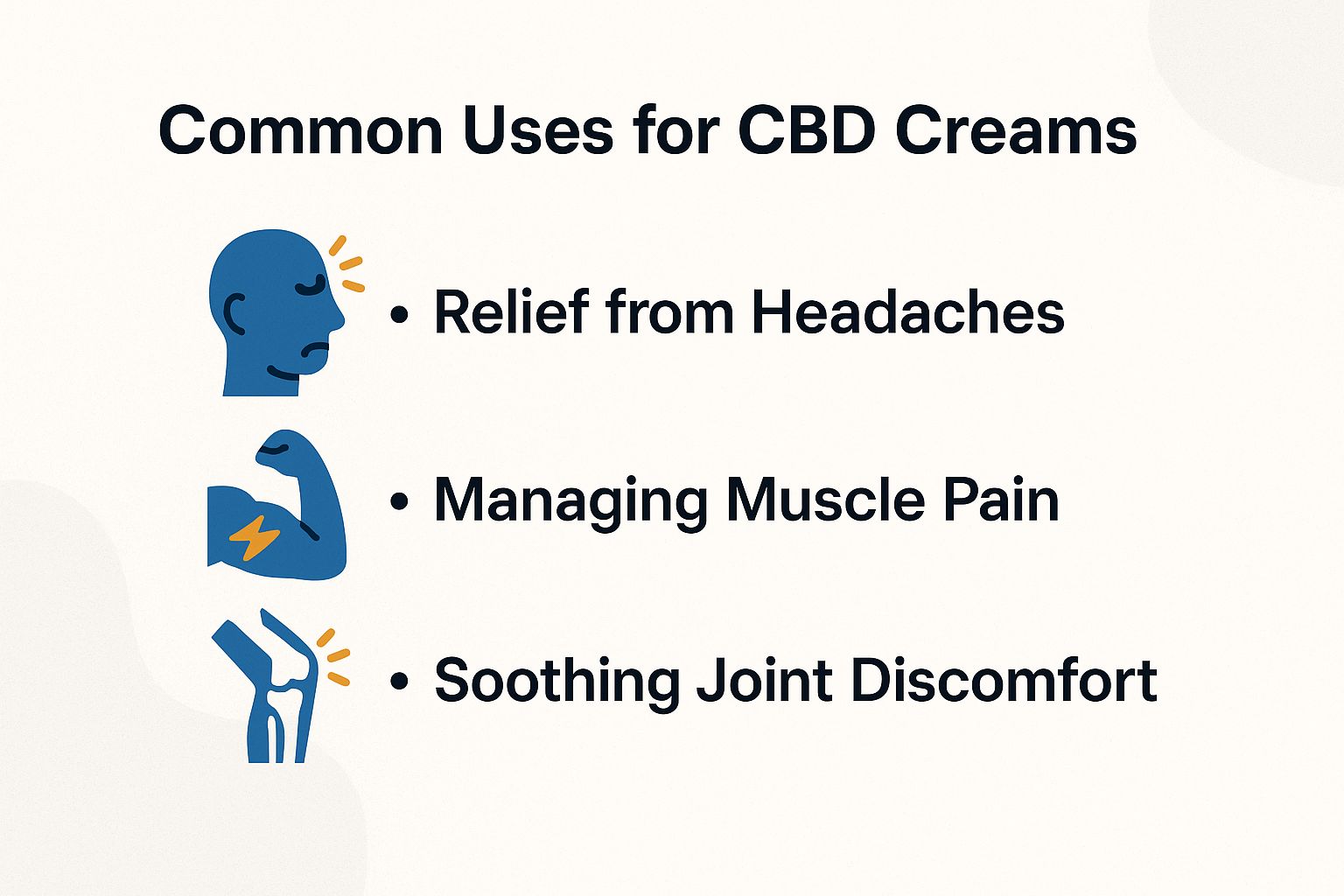
CBD creams are frequently utilized for a range of therapeutic purposes, including the alleviation of headaches and the management of chronic muscle and joint pain.
Relief from Headaches
Research indicates that CBD creams may reduce the severity of headaches by interacting with pain receptors and alleviating muscle tension.
- To apply CBD cream effectively, it is advisable to begin with a small amount, typically around a pea-sized portion, and concentrate on areas such as the temples and neck.
- The cream should be gently massaged into the skin until it is fully absorbed.
Studies suggest that dosages ranging from 20 to 50 mg per application may provide relief; however, individual responses to the treatment may vary. A notable peer-reviewed study found that participants who utilized a 30 mg dose reported a significant reduction in headache intensity.
For optimal results, regular use of the cream is recommended, ideally two to three times daily, while carefully monitoring the body’s response to the application.
Managing Muscle Pain
CBD creams have demonstrated efficacy in managing muscle soreness and chronic pain due to their anti-inflammatory properties and ability to promote muscle relaxation.
To effectively utilize CBD creams, it is advisable to select a product containing 300-600 mg of CBD per ounce for addressing muscle pain. A generous amount should be applied directly to the affected area, with gentle massage for approximately 30 seconds to enhance absorption and alleviate discomfort.
For optimal results, reapplication is recommended every 4-6 hours, especially before or after physical activities. Many users report significant pain reduction within approximately 15-30 minutes, making CBD creams a reliable option for immediate relief.
It is essential to conduct a patch test prior to use to prevent any potential skin irritation.
Soothing Joint Discomfort
The anti-inflammatory properties of CBD creams render them particularly effective for alleviating joint discomfort associated with conditions such as arthritis. Users have reported substantial relief from pain and stiffness after integrating these creams into their daily routines.
For instance, selecting a full-spectrum CBD cream can optimize therapeutic benefits due to the entourage effect, which utilizes other cannabinoids in conjunction with CBD. It is advisable to apply the cream directly to the affected areas twice daily to achieve optimal results.
Additionally, formulations that include added ingredients such as menthol or glucosamine may enhance pain relief and support joint health. It is important to consult healthcare professionals prior to initiating any new treatment.
CBD Creams for Skin Conditions
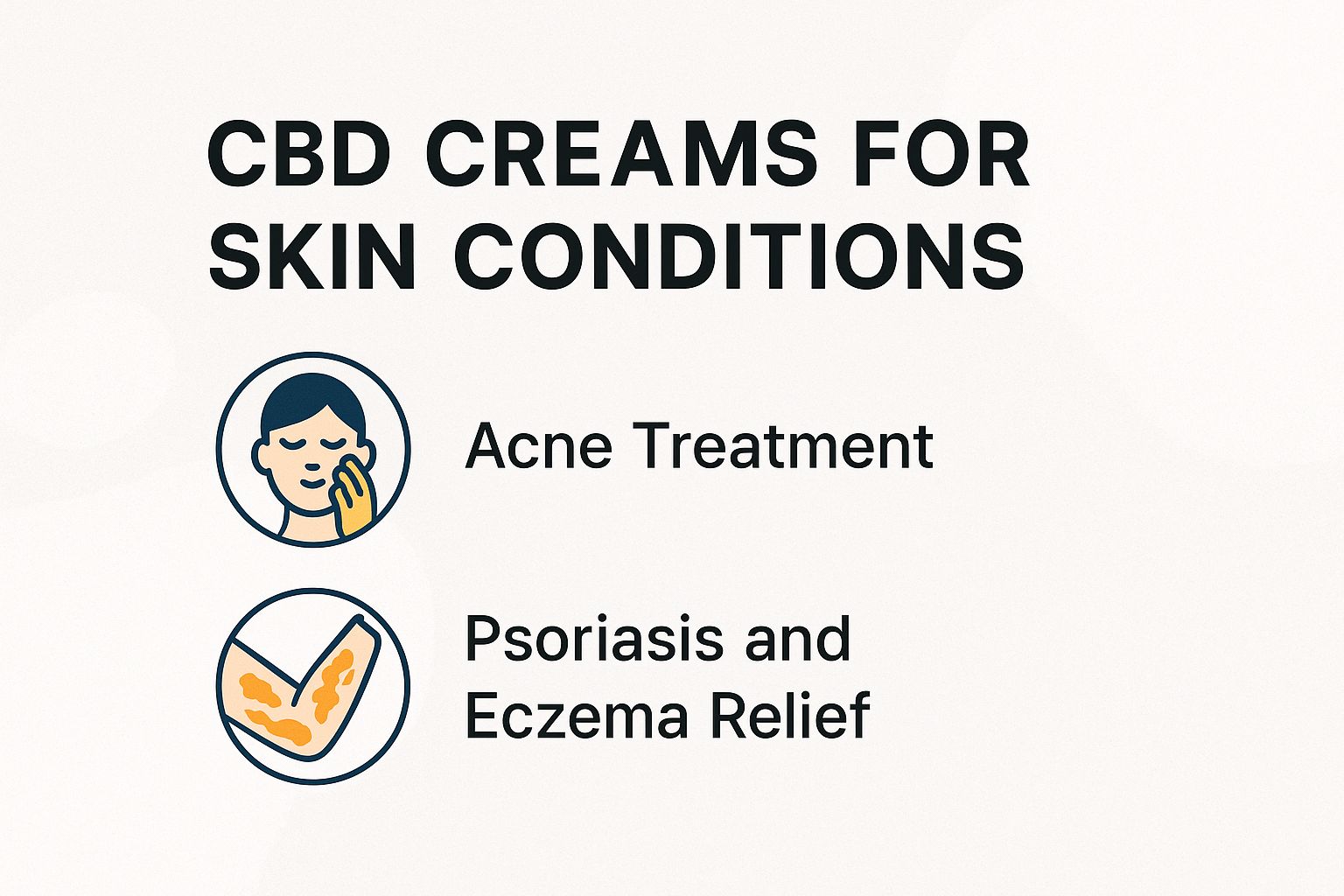
CBD creams are gaining recognition for their potential therapeutic benefits in addressing a range of skin conditions.
They offer relief while also moisturizing and nourishing the skin.
Acne Treatment
Research indicates that cannabidiol (CBD) may effectively reduce sebum production and inflammation, positioning it as a promising alternative treatment for individuals with acne-prone skin.
In a randomized controlled trial, participants who utilized a topical CBD formulation experienced a 50% reduction in acne lesions over a 12-week period. To apply CBD for acne management, it is advisable to begin with a clean face.
One should use a concentrated oil or cream containing 30 mg of CBD, applying a thin layer to the affected areas twice daily. User testimonials have reported noticeable improvements in skin clarity and reduced redness within a few weeks.
For optimal results, it is recommended to combine this treatment with a gentle skincare regimen that incorporates non-comedogenic products to prevent further irritation.
Psoriasis and Eczema Relief
The anti-inflammatory and moisturizing properties of CBD can significantly alleviate the symptoms of psoriasis and eczema, thereby promoting healthier skin. Many users have reported positive outcomes after incorporating CBD creams into their treatment plans.
For example, a case study involving a 32-year-old patient with severe eczema demonstrated over a 70% improvement in skin appearance following four weeks of daily application of a full-spectrum CBD cream.
Another individual managing psoriasis observed reduced flare-ups and a soothing effect on irritated skin.
To achieve similar results, it is advisable to consider the integration of CBD as part of a comprehensive skincare routine, alongside conventional treatments. It is essential to consult a healthcare provider to tailor this regimen to individual needs.
Exploring CBD for Foot Pain
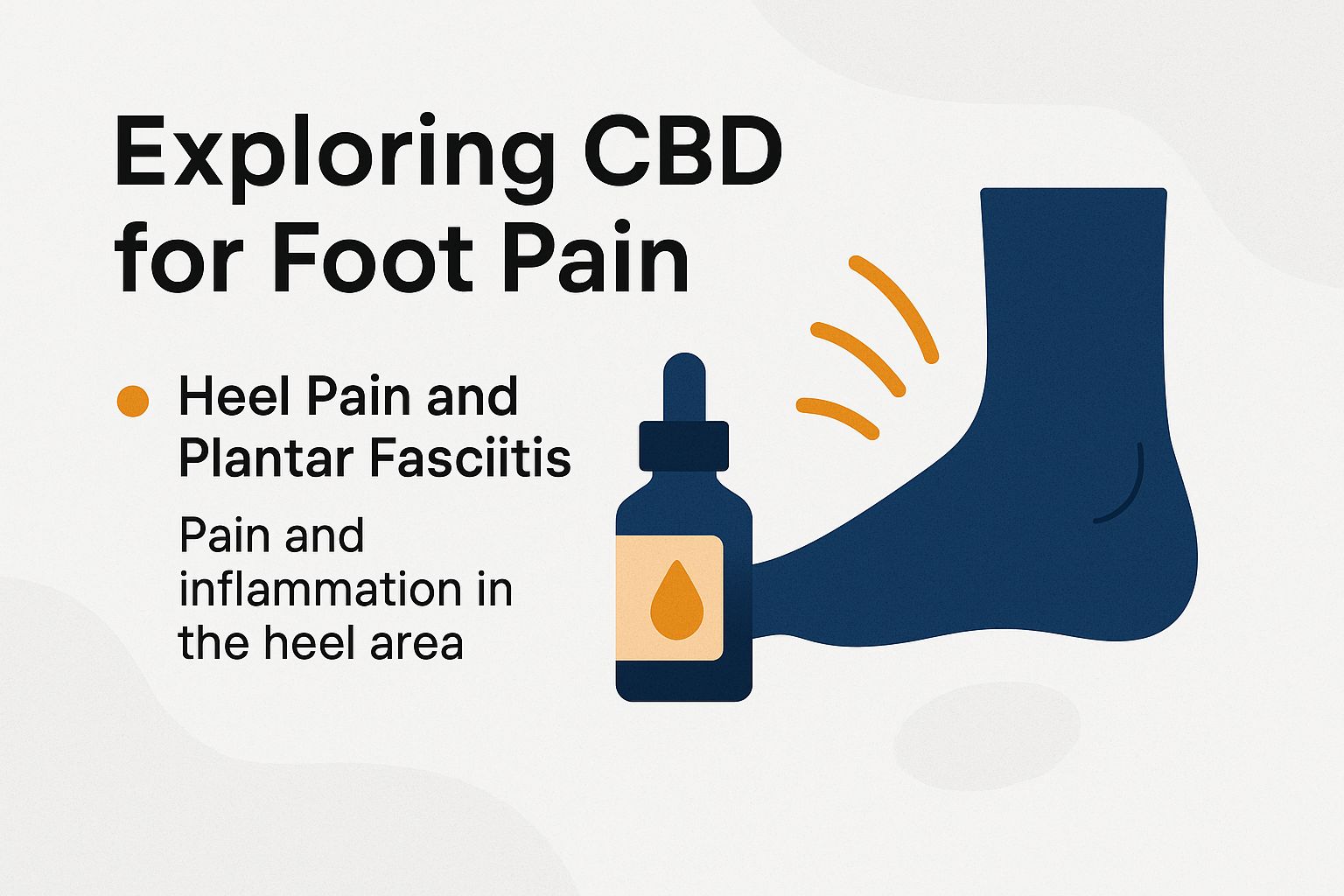
CBD creams are being increasingly employed to alleviate foot pain, particularly in relation to conditions such as plantar fasciitis. These products offer targeted relief through their topical application.
Heel Pain and Plantar Fasciitis
The application of CBD cream to the heel area can effectively alleviate pain and inflammation associated with plantar fasciitis, providing natural relief for individuals experiencing this chronic condition.
To optimize the benefits, it is advisable to apply a CBD cream containing a minimum of 500 mg of CBD directly to the affected area twice daily. Reputable brands such as Charlotte’s Web and CBDistillery offer formulations specifically designed for pain relief.
Additionally, incorporating gentle stretching exercises, such as calf stretches and toe flexes, can further enhance recovery. Users have reported significant improvements within a few weeks, underscoring the analgesic properties of CBD.
For a more comprehensive understanding of one’s progress, it may be beneficial to maintain a pain journal to track outcomes and make necessary adjustments to the treatment regimen.
Frequently Asked Questions
What is CBD cream and how does it work for everyday use?
CBD cream is a topical product that contains cannabidiol, a compound found in the cannabis plant. It works by interacting with the body’s endocannabinoid system, which helps to regulate functions such as pain, inflammation, and stress. When applied to the skin, CBD cream can provide relief and relaxation for everyday aches and pains.
Can CBD cream be used for headaches and migraines?
Yes, CBD cream can be an effective option for treating headaches and migraines. The anti-inflammatory properties of CBD can help to reduce the intensity and frequency of headaches, while also promoting relaxation. Simply apply the cream to your temples, neck, and forehead for targeted relief.
Is CBD cream safe to use for heel pain?
Absolutely. CBD cream has been known to provide relief for a variety of foot conditions, including heel pain. The anti-inflammatory and pain-relieving properties of CBD can help to reduce discomfort and promote healing in the affected area. Simply massage the cream into the heel for best results.
How often can I use CBD cream for everyday use?
You can use CBD cream as often as needed for everyday aches and pains. However, it is always recommended to start with a small amount and gradually increase as needed. It is also important to follow the recommended dosage on the product label and to consult with a healthcare professional if you have any concerns.
Are there any side effects of using CBD cream for everyday use?
CBD cream is generally well-tolerated, but some individuals may experience mild side effects such as dryness, redness, or itchiness at the application site. These side effects are rare and usually resolve on their own. It is always recommended to do a patch test and consult with a healthcare professional if you experience any persistent side effects.
Can CBD cream be used in combination with other medications?
Although CBD is generally considered safe, it is always recommended to consult with a healthcare professional before using it in combination with other medications. CBD can potentially interact with certain medications, so it is important to seek medical advice before starting any new treatment regimen.
- Why CBG Matters in CBD Topicals: Benefits of Added Cannabinoids
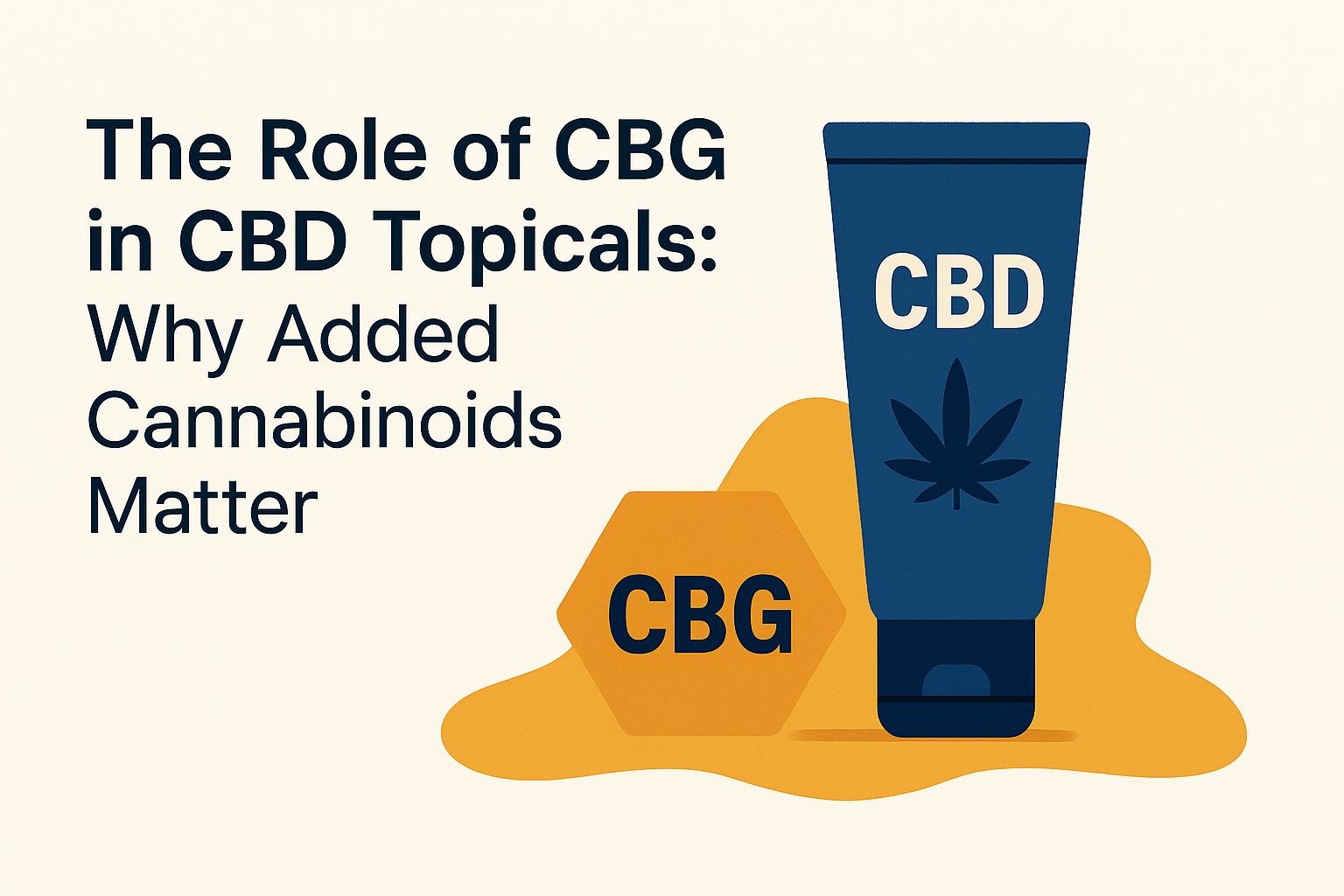
As the wellness industry evolves, the spotlight is increasingly shifting towards lesser-known cannabinoids like cannabigerol (CBG). While cannabidiol (CBD) has garnered widespread attention, the potential benefits of CBG in topicals reveal a promising synergy that could enhance skin health and combat inflammation. This exploration delves into the science behind CBG, its unique properties, and how its incorporation into CBD formulations could reshape consumer choices. Discover why understanding these cannabinoids matters for both product effectiveness and market trends.Overview of CBD and CBG
CBD (cannabidiol) and CBG (cannabigerol) are two significant cannabinoids derived from hemp, each providing unique benefits for skin health and overall wellness.
CBD is well-regarded for its anti-inflammatory properties, making it effective in addressing conditions such as acne and eczema. Products like CBD-infused moisturizers are designed to alleviate irritated skin, while reputable brands such as Charlotte’s Web offer balms that facilitate the healing process.
Conversely, CBG is recognized for its antimicrobial properties, which can be beneficial in the treatment of breakouts. For example, CBG creams from companies like Joy Organics are increasingly popular due to their skin-clearing advantages.
By understanding these differences, consumers are better equipped to select products that specifically address their individual skin concerns.
The Importance of Cannabinoid Synergy
The synergistic effects of cannabinoids, particularly in full-spectrum and broad-spectrum formulations, significantly enhance therapeutic benefits beyond those provided by individual components.
Full-spectrum products, such as Charlotte’s Web, contain a diverse range of cannabinoids and terpenes that collaborate to amplify their effects, a phenomenon known as the entourage effect. Conversely, broad-spectrum formulations, like Pure Spectrum, exclude THC while still providing a variety of cannabinoids.
This distinction is essential for consumers who seek the therapeutic advantages of cannabis without the psychoactive effects associated with THC. By comprehending these differences, users can make informed decisions regarding products that best meet their needs, whether for pain relief, anxiety reduction, or overall wellness.
The Science Behind CBG
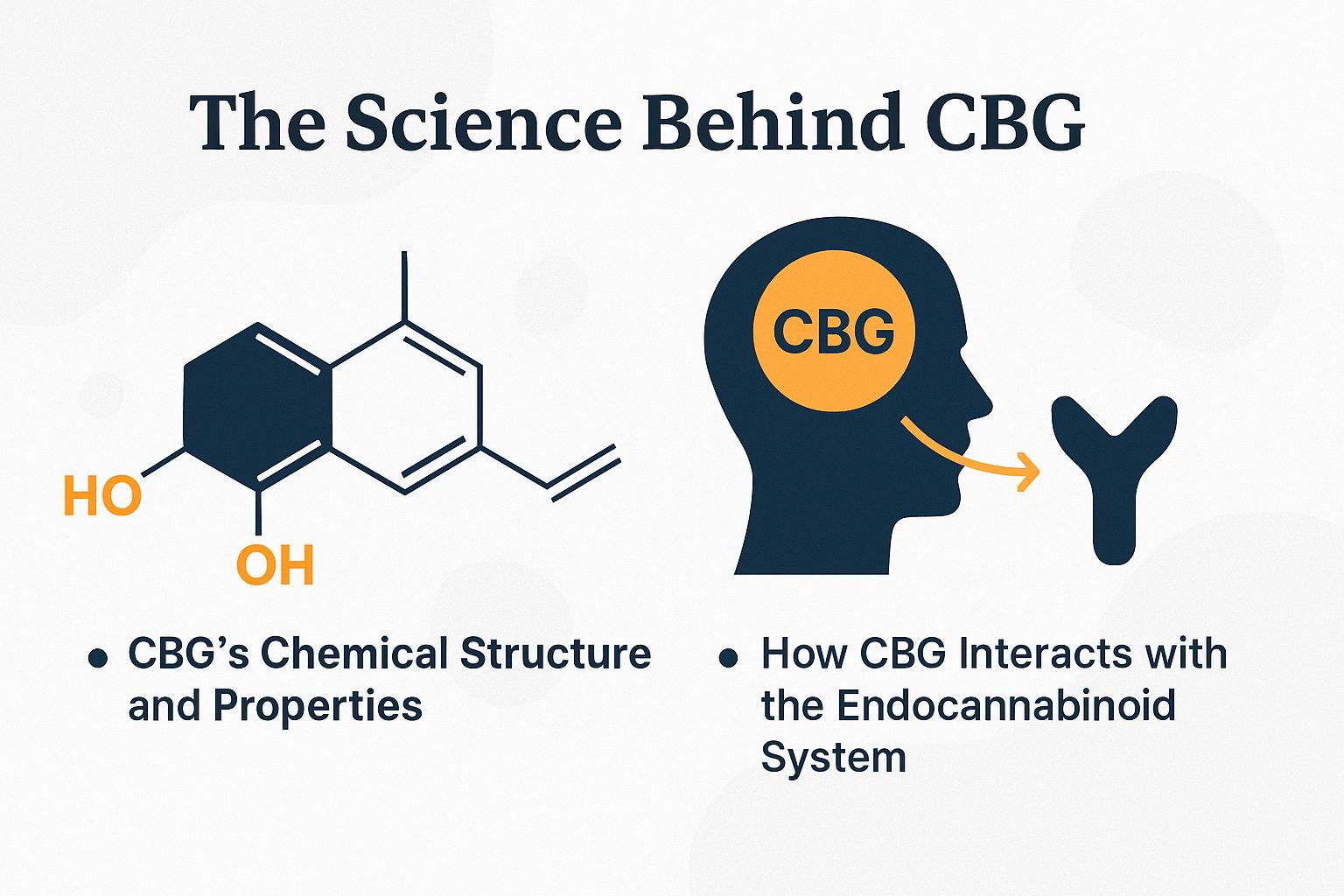
Comprehending the chemical structure and properties of CBG is essential for the formulation of effective topical products that capitalize on its distinct benefits.
CBG’s Chemical Structure and Properties
Cannabigerol (CBG) is characterized by its unique chemical structure and non-psychoactive properties, which render it a valuable ingredient in skincare formulations. This distinctive structure enables CBG to interact with the skin’s endocannabinoid receptors, thereby promoting anti-inflammatory effects and alleviating irritation.
Recent dermatological studies have indicated that CBG can significantly enhance skin hydration and elasticity, making it particularly effective for individuals with dry or aging skin.
For example, skincare products that incorporate CBG, such as serums and creams, often include complementary ingredients like hyaluronic acid and vitamin E, which further enhance its skin-rejuvenating properties.
This synergistic combination of compounds not only improves overall skin texture but also offers a soothing experience for those with sensitive skin.
How CBG Interacts with the Endocannabinoid System
CBG interacts with the endocannabinoid system (ECS) by binding to cannabinoid receptors, thereby influencing various physiological processes associated with skin health.
Research demonstrates that CBG possesses notable anti-inflammatory properties, which can be advantageous in the treatment of conditions such as acne and psoriasis. A study published in the Journal of Dermatological Science indicates that CBG can inhibit sebum production, a critical factor in managing acne.
Furthermore, its interaction with ECS receptors may promote skin cell regeneration, thereby contributing to overall skin health.
For topical applications, it is advisable to consider formulations that incorporate CBG oil, often combined with carrier oils such as jojoba or hemp seed oil, to enhance absorption and efficacy. This targeted approach can significantly improve skin conditions while providing a soothing experience.
Benefits of CBG in Topicals
The incorporation of CBG into topical formulations provides numerous advantages, particularly in the treatment of inflammatory skin conditions and the improvement of overall skin health.
Potential Anti-Inflammatory Effects
Research indicates that Cannabigerol (CBG) possesses significant anti-inflammatory properties, rendering it an effective ingredient for the treatment of conditions such as eczema and psoriasis.
Several skincare products capitalize on the benefits of CBG, including the CBG Cream by Simply Crafted, which has received positive user testimonials commending its soothing effects on irritated skin. The Elixinol CBG Oil, frequently noted for its concentrated anti-inflammatory impact, has been reported to provide relief for individuals suffering from chronic skin conditions.
Clinical studies demonstrate that topical applications of CBG can reduce redness and enhance overall skin texture, thereby reinforcing CBG’s role in promoting skin health. For optimal results, it is advisable to ensure consistent application and seek consultation with a dermatologist.
Skin Health and CBG’s Role
CBG is increasingly recognized for its beneficial role in promoting skin health, attributed to its moisturizing and antioxidant properties. Research demonstrates that CBG not only reduces inflammation but also enhances moisture retention, making it particularly suitable for individuals with dry or aging skin.
For example, products such as the CBG-Infused Facial Oil from Cannuka and the CBG Cream from Lord Jones leverage these advantages, contributing to improved skin texture and radiance. The antioxidant properties of CBG provide protection against environmental stressors, thereby minimizing the appearance of fine lines.
Integrating CBG-rich products into a daily skincare regimen can result in a notable enhancement in overall skin health and vitality.
Formulating CBD Topicals with CBG
The formulation of effective CBD topicals containing CBG necessitates a thorough consideration of cannabinoid ratios and extraction methods to optimize potency and enhance skin benefits.
Choosing the Right Ratio of CBD to CBG
Selecting the optimal ratio of CBD to CBG is essential for formulating topicals that provide targeted therapeutic benefits. To identify the appropriate CBD to CBG ratio, it is important to consider specific skin concerns.
For instance, a 2:1 ratio is frequently recommended for its anti-inflammatory properties, particularly in formulations aimed at addressing conditions such as acne and eczema.
A blend with a 1:1 ratio may be most suitable for promoting overall skin health, enhancing hydration, and maintaining balance.
It is advisable to explore products such as those offered by ABC Skincare, which have received commendations from dermatologists for their effectiveness, noting improvements in skin texture and condition with regular use. Additionally, evaluating consumer feedback on these formulations can provide valuable insights into their efficacy.
Extraction Methods for Optimal Potency
The selection of an extraction method plays a crucial role in determining the potency and efficacy of CBD and CBG in topical applications. Two prevalent methods of extraction are CO2 extraction and ethanol extraction.
CO2 extraction is preferred due to its capacity to produce a pure, high-quality extract without the use of solvents. Brands such as Charlotte’s Web implement this method, ensuring that their topical products deliver maximum potency.
Conversely, ethanol extraction is more cost-effective and has the advantage of preserving a greater amount of the plant’s terpenes; however, it may leave behind residual solvents if not purged appropriately. Companies like Green Roads utilize ethanol extraction for its efficiency, developing potent salves that cater to budget-conscious consumers.
A thorough evaluation of these extraction methods can aid consumers in identifying higher quality CBD and CBG products.
Consumer Perspectives and Trends
There is a notable increase in consumer interest in multi-cannabinoid products, driven by the growing awareness of the benefits of cannabigerol (CBG) within the wellness sector.
Market Demand for Multi-Cannabinoid Products
The market for multi-cannabinoid products is projected to experience an annual growth rate of 20%, indicating a significant consumer interest in holistic skincare solutions. This expansion presents opportunities for brands to engage in innovative product development.
To effectively capture this market, brands should consider formulating products that integrate CBD, CBG, and CBN to maximize their potential benefits.
A successful approach may involve implementing targeted marketing campaigns that emphasize consumer education regarding the entourage effect, where multiple cannabinoids synergistically enhance efficacy. Additionally, engaging with customers through social media platforms and informative blog posts can foster trust and promote brand loyalty.
Furthermore, exploring partnerships with wellness influencers can significantly enhance reach and credibility within the marketplace.
Educating Consumers on CBG Benefits
Educating consumers about the benefits of CBG is crucial for fostering trust and encouraging informed purchasing decisions within the skincare market.
Brands such as Charlotte’s Web and Joy Organics have effectively implemented informational campaigns that emphasize the unique properties of CBG in promoting skin health. These brands utilize social media platforms to disseminate educational content, including infographics and skincare tips that resonate with their target audience.
Moreover, providing detailed product labels that disclose sourcing and benefits can help clarify the role of CBG. For example, incorporating QR codes on packaging that link to educational resources can further engage consumers, enhancing their understanding and confidence in the product.
Frequently Asked Questions
What is CBG and why is it important in CBD topicals?
CBG, or cannabigerol, is a cannabinoid found in the cannabis plant. It has been shown to have anti-inflammatory and pain-relieving properties, making it a valuable addition to CBD topicals for enhanced effectiveness.
How does CBG enhance the benefits of CBD topicals?
CBG works in synergy with CBD to enhance its anti-inflammatory and pain-relieving effects. It also has its own unique benefits, such as promoting skin cell growth and reducing bacterial growth, making it a valuable addition to topical products.
Why is it important to have multiple cannabinoids in CBD topicals?
Having multiple cannabinoids, such as CBG and CBD, in topicals allows for the entourage effect. This means that the cannabinoids work together to enhance their individual effects, providing more comprehensive relief for various skin conditions and pain relief.
Are there any potential side effects from using CBG in CBD topicals?
There have been no reported negative side effects from using CBG in CBD topicals. However, it is important to consult with a healthcare professional before using any new product, especially if you have a medical condition or are taking medications.
How can I make sure I am getting a CBD topical with added CBG?
When purchasing CBD topicals, make sure to read the product label and look for the specific cannabinoid content. If CBG is not listed, you can also check for a Certificate of Analysis from a third-party lab to ensure the product contains added CBG.
What types of skin conditions can benefit from CBG in CBD topicals?
CBG has been shown to have anti-inflammatory and anti-bacterial properties, making it beneficial for various skin conditions such as eczema, psoriasis, acne, and dermatitis. It can also provide relief for pain and inflammation caused by these conditions.
- 5 Daily Benefits of CBD Creams for Effective Pain Relief
In a world where chronic pain affects millions, the search for effective relief is more critical than ever. CBD creams have emerged as a promising solution, offering targeted relief without the psychoactive effects commonly associated with cannabis. Delving into the benefits of daily use reveals how these creams not only alleviate pain but also combat inflammation, enhance skin health, and integrate seamlessly into daily routines. Discover how incorporating CBD creams into your regimen could transform your approach to pain management.What is CBD?
Cannabidiol (CBD) is a non-psychoactive cannabinoid extracted from the hemp plant, distinct from tetrahydrocannabinol (THC), which is responsible for the euphoric effects associated with cannabis.
CBD is primarily extracted from hemp flowers and is noted for its interaction with the body’s endocannabinoid system, which plays a crucial role in promoting homeostasis. Its therapeutic potential has garnered significant attention, particularly in the management of conditions such as anxiety, chronic pain, and inflammation.
Unlike THC, CBD does not induce psychoactive effects, allowing individuals to experience relief without the risk of intoxication. Various effective forms of CBD, including oils, capsules, and topical products, offer diverse application methods to suit different preferences.
Ongoing research continues to highlight the potential benefits of CBD, with studies indicating its efficacy in treating conditions such as epilepsy and insomnia. This positions CBD as a valuable component in holistic health practices.
How CBD Creams Work
CBD creams interact with cannabinoid receptors in the skin, providing localized relief and promoting skin health through effective absorption. These creams penetrate the various layers of the skin, specifically targeting receptors known as CB2, which are associated with pain and inflammation.
For instance, a CBD cream containing a concentration of 300mg per ounce can lead to a significant reduction in discomfort associated with conditions such as arthritis when applied directly to the affected areas. It is advisable to select creams that include complementary ingredients, such as menthol for its cooling effects or arnica for additional anti-inflammatory benefits.
By opting for products with transparent sourcing and third-party lab testing, users can ensure they receive effective and safe pain relief that is tailored to their individual needs.
Benefit 1: Pain Relief
CBD creams are gaining recognition for their significant analgesic properties, presenting a natural alternative to conventional pain relief methods.
Mechanism of Action
CBD specifically targets CB2 receptors within the endocannabinoid system, effectively modulating pain signals and providing significant relief for conditions such as arthritis and muscle soreness.
When CBD interacts with the CB2 receptors, it plays a crucial role in influencing the body’s inflammatory response, thereby reducing pain at its source. This mechanism involves the inhibition of pro-inflammatory cytokine release while simultaneously promoting the production of anti-inflammatory compounds.
For example, a 2018 study demonstrated that CBD significantly reduced inflammation and pain in arthritic mice, indicating a potential for similar effects in humans.
Utilizing CBD oil tinctures, which are administered sublingually, can facilitate rapid relief, making this method a practical option for immediate pain management across various conditions.
Research Findings
Research indicates that 60% of participants experienced significant pain reduction when utilizing CBD creams on a daily basis, as evidenced by a 2021 clinical trial published in the Journal of Pain Management.
To effectively integrate CBD creams into a pain management regimen, it is advisable to commence with a product that contains a minimum of 250mg of CBD per ounce.
For optimal results, the cream should be applied to the affected areas twice daily, with a gentle massage into the skin to enhance absorption.
Reputable brands such as Charlotte’s Web and Medterra provide a variety of formulations, enabling users to select products based on their preferred scents and potency requirements.
Additionally, maintaining a journal to track pain levels can facilitate the assessment of the cream’s effectiveness over time.
Benefit 2: Anti-Inflammatory Properties
CBD creams exhibit considerable anti-inflammatory properties, rendering them a highly effective option for individuals experiencing chronic inflammation-related conditions.
Impact on Inflammation
Cannabidiol (CBD) has been shown to effectively reduce inflammatory markers, such as cytokines, thereby aiding in the alleviation of conditions such as arthritis and muscle strain.
Research indicates that CBD engages with the endocannabinoid system, which plays a crucial role in modulating pain perception and inflammatory responses. Evidence suggests that dosages ranging from 20 to 50 mg of CBD per day can yield significant relief.
For instance, a study published in the European Journal of Pain demonstrated that the topical application of CBD resulted in a reduction of joint swelling and pain in a rat model.
Incorporating CBD oil into one’s routine, whether through tinctures or capsules, can effectively target inflammation.
It is advisable to consult a healthcare professional for personalized dosage recommendations and to discuss any potential interactions with other medications.
Conditions Benefited
Conditions such as joint pain, psoriasis, and inflammatory bowel disease may experience significant benefits from the daily application of CBD creams.
Research indicates that CBD creams can alleviate joint pain associated with conditions such as arthritis by reducing inflammation and altering pain perception. For example, a study published in the European Journal of Pain documented a 30% reduction in pain levels among participants utilizing topical CBD for osteoarthritis. Likewise, a case study focusing on psoriasis revealed that patients experienced a marked decrease in flare-ups and skin irritation following four weeks of daily application.
To achieve optimal results, it is advisable to select products containing a minimum of 300 mg of CBD per ounce and to verify the presence of third-party lab testing to ensure both potency and purity.
Benefit 3: Skin Health Improvement
CBD creams not only deliver effective pain relief but also offer significant advantages for skin health, including hydration and healing properties.
Moisturizing Effects
Rich in essential fatty acids, CBD creams are effective in improving skin hydration by replenishing moisture and maintaining the integrity of the skin barrier.
Plus CBD, it is advisable to seek creams that contain hyaluronic acid, known for its ability to retain water within the skin, and shea butter, recognized for its nourishing properties. A formulation that combines these ingredients can significantly enhance moisture retention.
For instance, a CBD cream containing 200 mg of CBD, along with 1% hyaluronic acid and 10% shea butter, constitutes a potent formulation that calms dry skin while promoting elasticity.
For optimal results, regular application-preferably twice daily-is recommended to effectively seal in moisture, thereby revitalizing the skin and diminishing the appearance of fine lines.
Acne and Eczema Treatment
Research indicates that the anti-inflammatory properties of CBD can significantly alleviate the severity of acne and eczema flare-ups in patients. A study published in the Journal of Clinical Investigation revealed that CBD inhibits sebum production, a primary contributor to acne.
For individuals experiencing eczema, user testimonials report enhancements in skin hydration and a reduction in irritation following the application of CBD creams. Notable products such as Charlotte’s Web CBD cream and JustCBD lotion have garnered positive reviews for their effectiveness in soothing the skin and providing relief.
To effectively incorporate CBD into a skincare regimen, it is recommended to apply the cream twice daily, ensuring that the affected area is cleansed beforehand to optimize absorption.
Benefit 4: Non-Psychoactive Nature
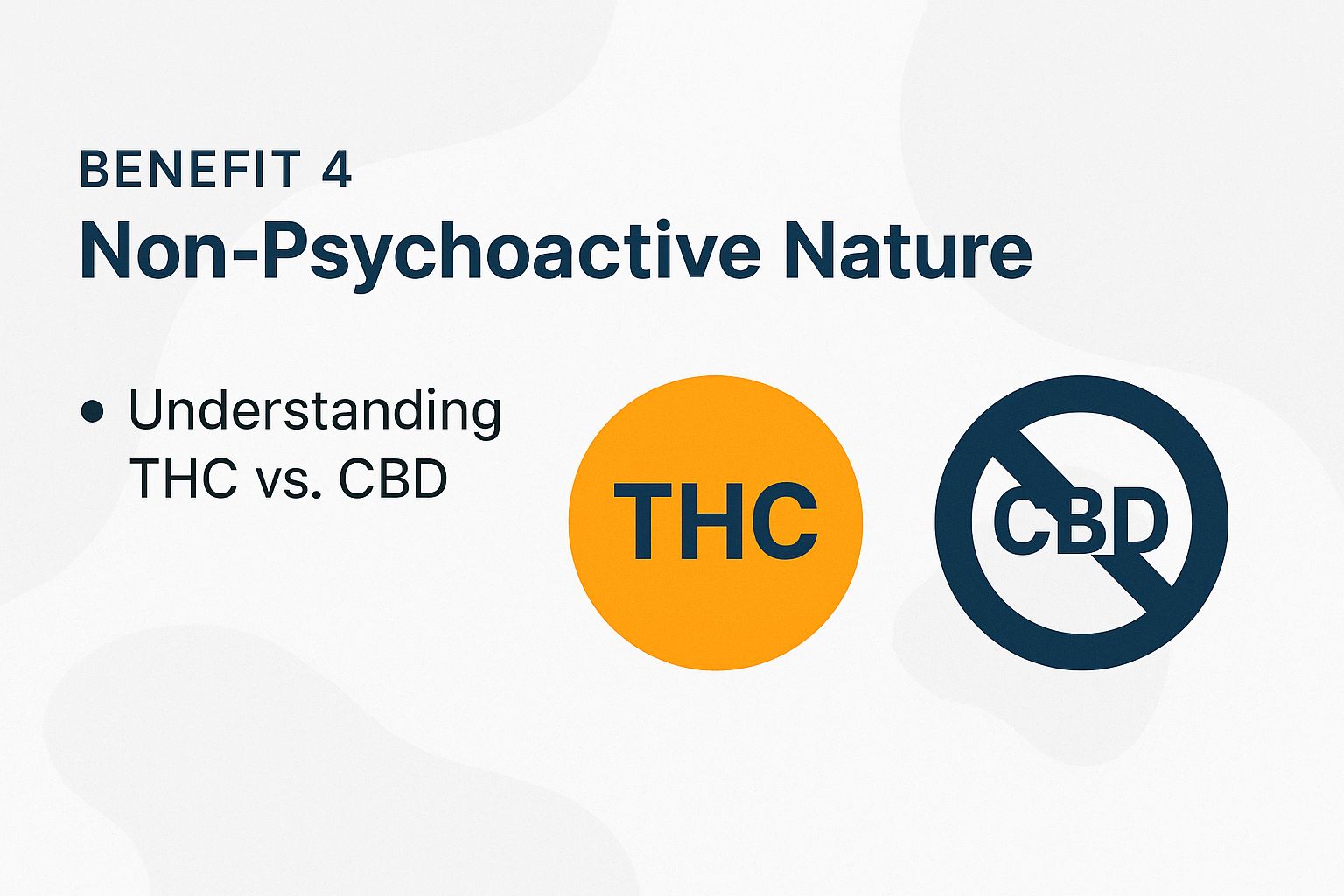
The non-psychoactive properties of CBD render it a safe option for individuals seeking therapeutic benefits without experiencing the euphoric effects commonly associated with THC.
Understanding THC vs. CBD
Unlike THC, which binds to CB1 receptors in the brain, CBD primarily interacts with CB2 receptors, offering therapeutic benefits without inducing psychoactive effects.
This distinct interaction leads to different applications, particularly in the realm of pain management. THC is commonly utilized for short-term pain relief and can produce feelings of euphoria, making it suitable for individuals seeking immediate alleviation.
Conversely, CBD, owing to its non-psychoactive properties, is generally favored for chronic pain management and inflammatory conditions. In terms of legal status, while THC remains restricted in many jurisdictions, CBD is increasingly becoming legal and accessible.
For optimal relief, individuals may consider utilizing both compounds in conjunction, a phenomenon referred to as the “entourage effect,” which can enhance overall therapeutic efficacy.
Benefit 5: Ease of Use
CBD creams are designed for user convenience, facilitating straightforward topical application that effectively integrates into daily wellness routines.
Application Methods
CBD creams should be applied directly to the affected areas, utilizing techniques such as circular motions to enhance absorption.
For optimal results, it is advisable to begin by cleansing the skin to eliminate any barriers. Next, dispense a small amount of cream onto your fingertips and apply it with gentle pressure.
Focus on specific pain points, such as sore muscles or joint discomfort, and continue to massage for approximately 30 seconds to improve absorption. Additionally, employing a warming technique, such as applying a warm cloth prior to application, can further open the pores.
Furthermore, consider selecting a CBD cream that contains menthol or camphor, as these ingredients may provide a cooling sensation, potentially offering additional relief.
Daily Routine Integration
Incorporating CBD creams into one’s daily routine can significantly enhance overall wellness, with a recommended usage of twice daily to achieve optimal results.
For best outcomes, it is advisable to apply the cream in the morning after showering to effectively lock in moisture and alleviate any muscle tension accumulated overnight. An additional application in the evening can further promote relaxation before bedtime, aiding in alleviating stress or discomfort experienced throughout the day.
It is recommended to begin with a small amount of cream, gently massaging it into targeted areas of concern, such as sore joints or dry skin.
Frequency of application should be adjusted based on individual responses, and it may be beneficial to track progress over time to determine the most effective regimen for personal needs.
Final Thoughts on Daily Use
As the interest in CBD continues to grow, user experiences suggest notable improvements in quality of life and pain management through consistent use. For optimal results, it is advisable to apply CBD creams to targeted areas twice daily.
Many users have reported positive outcomes with products such as:
- Charlotte’s Web, recognized for its effective formulation
- Green Roads, which offers a variety of strengths
It is important to conduct a patch test with new products to prevent any potential skin irritation. Adopting a holistic approach-including regular exercise and a balanced diet-can further enhance the effectiveness of CBD.
It is essential to monitor one’s progress and adjust usage based on individual responses, as consistency is crucial to fully realizing the benefits of CBD.
Frequently Asked Questions
What are the top 5 benefits of using CBD creams daily for pain management?
The top 5 benefits of using CBD creams daily for pain management are: 1. Reduced inflammation and swelling 2. Relief from chronic pain 3. Improved sleep 4. Enhanced muscle recovery 5. Fewer side effects compared to traditional pain medications.
How does CBD cream help with pain management?
CBD cream works by interacting with the body’s endocannabinoid system, which helps regulate pain and inflammation. By binding to receptors in the skin, CBD can help reduce pain and inflammation in the affected area.
Is it safe to use CBD cream daily for pain management?
Yes, CBD cream is generally considered safe for daily use. It does not have any psychoactive properties and has minimal side effects. However, it’s always best to consult with a healthcare professional before starting any new daily regimen.
Can CBD cream be used for all types of pain?
While CBD cream is effective for many types of pain, it may not be suitable for severe or chronic pain. It is best used for localized pain, such as muscle soreness or joint pain. It’s important to consult with a doctor for severe or chronic pain management.
Are there any side effects of using CBD cream daily for pain management?
Compared to traditional pain medications, CBD cream has minimal side effects. However, some people may experience mild side effects such as dry mouth, dizziness, or fatigue. It’s always best to start with a low dosage and monitor any potential side effects.
Can I use CBD cream while taking other pain medications?
It is generally safe to use CBD cream alongside other pain medications. However, it’s always best to consult with a doctor before combining any medications. They can advise on the right dosage and potential interactions.