As the wellness industry evolves, the spotlight is increasingly shifting towards lesser-known cannabinoids like cannabigerol (CBG). While cannabidiol (CBD) has garnered widespread attention, the potential benefits of CBG in topicals reveal a promising synergy that could enhance skin health and combat inflammation. This exploration delves into the science behind CBG, its unique properties, and how its incorporation into CBD formulations could reshape consumer choices. Discover why understanding these cannabinoids matters for both product effectiveness and market trends.
Overview of CBD and CBG
CBD (cannabidiol) and CBG (cannabigerol) are two significant cannabinoids derived from hemp, each providing unique benefits for skin health and overall wellness.
CBD is well-regarded for its anti-inflammatory properties, making it effective in addressing conditions such as acne and eczema. Products like CBD-infused moisturizers are designed to alleviate irritated skin, while reputable brands such as Charlotte’s Web offer balms that facilitate the healing process.
Conversely, CBG is recognized for its antimicrobial properties, which can be beneficial in the treatment of breakouts. For example, CBG creams from companies like Joy Organics are increasingly popular due to their skin-clearing advantages.
By understanding these differences, consumers are better equipped to select products that specifically address their individual skin concerns.
The Importance of Cannabinoid Synergy
The synergistic effects of cannabinoids, particularly in full-spectrum and broad-spectrum formulations, significantly enhance therapeutic benefits beyond those provided by individual components.
Full-spectrum products, such as Charlotte’s Web, contain a diverse range of cannabinoids and terpenes that collaborate to amplify their effects, a phenomenon known as the entourage effect. Conversely, broad-spectrum formulations, like Pure Spectrum, exclude THC while still providing a variety of cannabinoids.
This distinction is essential for consumers who seek the therapeutic advantages of cannabis without the psychoactive effects associated with THC. By comprehending these differences, users can make informed decisions regarding products that best meet their needs, whether for pain relief, anxiety reduction, or overall wellness.
The Science Behind CBG
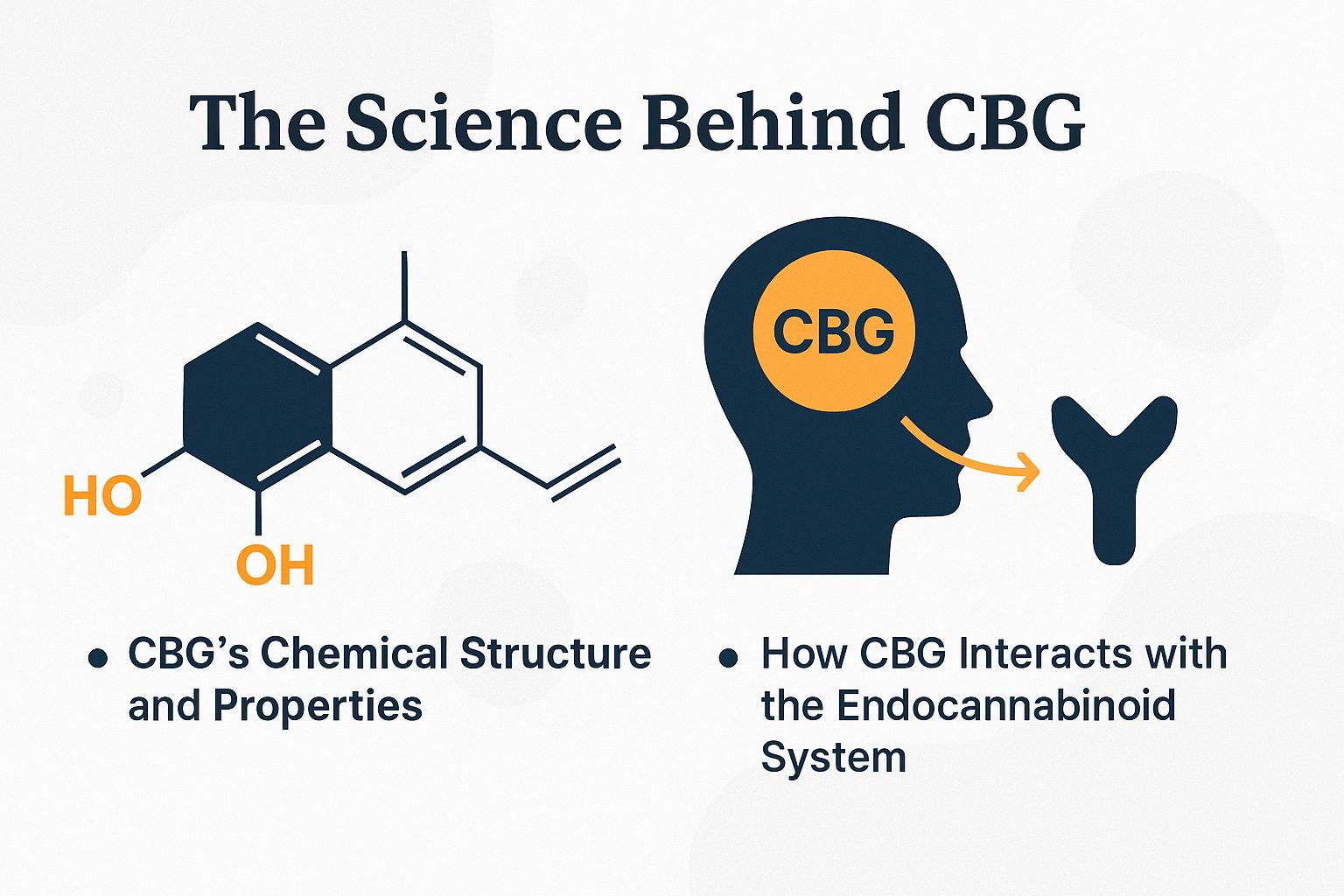
Comprehending the chemical structure and properties of CBG is essential for the formulation of effective topical products that capitalize on its distinct benefits.
CBG’s Chemical Structure and Properties
Cannabigerol (CBG) is characterized by its unique chemical structure and non-psychoactive properties, which render it a valuable ingredient in skincare formulations. This distinctive structure enables CBG to interact with the skin’s endocannabinoid receptors, thereby promoting anti-inflammatory effects and alleviating irritation.
Recent dermatological studies have indicated that CBG can significantly enhance skin hydration and elasticity, making it particularly effective for individuals with dry or aging skin.
For example, skincare products that incorporate CBG, such as serums and creams, often include complementary ingredients like hyaluronic acid and vitamin E, which further enhance its skin-rejuvenating properties.
This synergistic combination of compounds not only improves overall skin texture but also offers a soothing experience for those with sensitive skin.
How CBG Interacts with the Endocannabinoid System
CBG interacts with the endocannabinoid system (ECS) by binding to cannabinoid receptors, thereby influencing various physiological processes associated with skin health.
Research demonstrates that CBG possesses notable anti-inflammatory properties, which can be advantageous in the treatment of conditions such as acne and psoriasis. A study published in the Journal of Dermatological Science indicates that CBG can inhibit sebum production, a critical factor in managing acne.
Furthermore, its interaction with ECS receptors may promote skin cell regeneration, thereby contributing to overall skin health.
For topical applications, it is advisable to consider formulations that incorporate CBG oil, often combined with carrier oils such as jojoba or hemp seed oil, to enhance absorption and efficacy. This targeted approach can significantly improve skin conditions while providing a soothing experience.
Benefits of CBG in Topicals
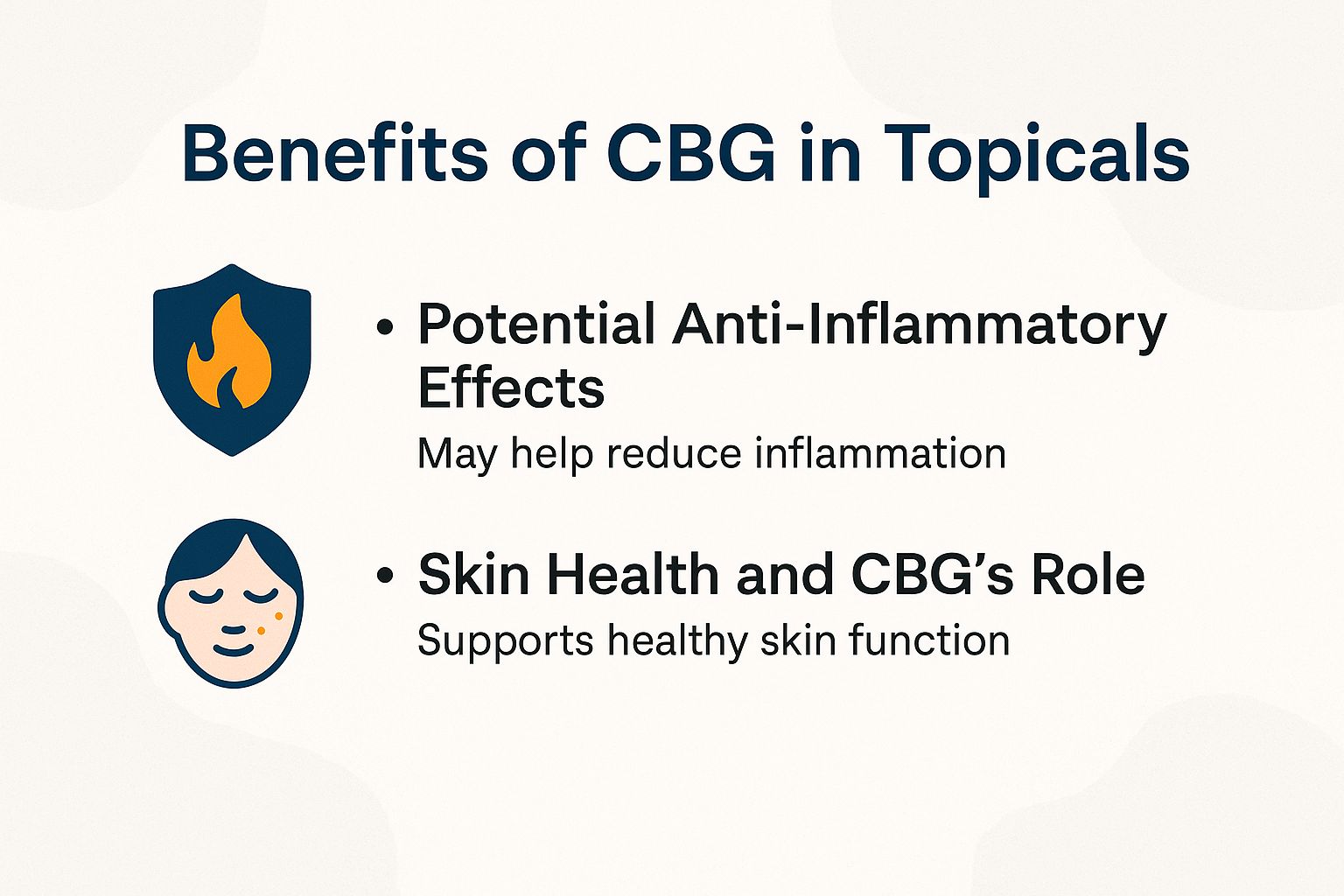
The incorporation of CBG into topical formulations provides numerous advantages, particularly in the treatment of inflammatory skin conditions and the improvement of overall skin health.
Potential Anti-Inflammatory Effects
Research indicates that Cannabigerol (CBG) possesses significant anti-inflammatory properties, rendering it an effective ingredient for the treatment of conditions such as eczema and psoriasis.
Several skincare products capitalize on the benefits of CBG, including the CBG Cream by Simply Crafted, which has received positive user testimonials commending its soothing effects on irritated skin. The Elixinol CBG Oil, frequently noted for its concentrated anti-inflammatory impact, has been reported to provide relief for individuals suffering from chronic skin conditions.
Clinical studies demonstrate that topical applications of CBG can reduce redness and enhance overall skin texture, thereby reinforcing CBG’s role in promoting skin health. For optimal results, it is advisable to ensure consistent application and seek consultation with a dermatologist.
Skin Health and CBG’s Role
CBG is increasingly recognized for its beneficial role in promoting skin health, attributed to its moisturizing and antioxidant properties. Research demonstrates that CBG not only reduces inflammation but also enhances moisture retention, making it particularly suitable for individuals with dry or aging skin.
For example, products such as the CBG-Infused Facial Oil from Cannuka and the CBG Cream from Lord Jones leverage these advantages, contributing to improved skin texture and radiance. The antioxidant properties of CBG provide protection against environmental stressors, thereby minimizing the appearance of fine lines.
Integrating CBG-rich products into a daily skincare regimen can result in a notable enhancement in overall skin health and vitality.
Formulating CBD Topicals with CBG
The formulation of effective CBD topicals containing CBG necessitates a thorough consideration of cannabinoid ratios and extraction methods to optimize potency and enhance skin benefits.
Choosing the Right Ratio of CBD to CBG
Selecting the optimal ratio of CBD to CBG is essential for formulating topicals that provide targeted therapeutic benefits. To identify the appropriate CBD to CBG ratio, it is important to consider specific skin concerns.
For instance, a 2:1 ratio is frequently recommended for its anti-inflammatory properties, particularly in formulations aimed at addressing conditions such as acne and eczema.
A blend with a 1:1 ratio may be most suitable for promoting overall skin health, enhancing hydration, and maintaining balance.
It is advisable to explore products such as those offered by ABC Skincare, which have received commendations from dermatologists for their effectiveness, noting improvements in skin texture and condition with regular use. Additionally, evaluating consumer feedback on these formulations can provide valuable insights into their efficacy.
Extraction Methods for Optimal Potency
The selection of an extraction method plays a crucial role in determining the potency and efficacy of CBD and CBG in topical applications. Two prevalent methods of extraction are CO2 extraction and ethanol extraction.
CO2 extraction is preferred due to its capacity to produce a pure, high-quality extract without the use of solvents. Brands such as Charlotte’s Web implement this method, ensuring that their topical products deliver maximum potency.
Conversely, ethanol extraction is more cost-effective and has the advantage of preserving a greater amount of the plant’s terpenes; however, it may leave behind residual solvents if not purged appropriately. Companies like Green Roads utilize ethanol extraction for its efficiency, developing potent salves that cater to budget-conscious consumers.
A thorough evaluation of these extraction methods can aid consumers in identifying higher quality CBD and CBG products.
Consumer Perspectives and Trends
There is a notable increase in consumer interest in multi-cannabinoid products, driven by the growing awareness of the benefits of cannabigerol (CBG) within the wellness sector.
Market Demand for Multi-Cannabinoid Products
The market for multi-cannabinoid products is projected to experience an annual growth rate of 20%, indicating a significant consumer interest in holistic skincare solutions. This expansion presents opportunities for brands to engage in innovative product development.
To effectively capture this market, brands should consider formulating products that integrate CBD, CBG, and CBN to maximize their potential benefits.
A successful approach may involve implementing targeted marketing campaigns that emphasize consumer education regarding the entourage effect, where multiple cannabinoids synergistically enhance efficacy. Additionally, engaging with customers through social media platforms and informative blog posts can foster trust and promote brand loyalty.
Furthermore, exploring partnerships with wellness influencers can significantly enhance reach and credibility within the marketplace.
Educating Consumers on CBG Benefits
Educating consumers about the benefits of CBG is crucial for fostering trust and encouraging informed purchasing decisions within the skincare market.
Brands such as Charlotte’s Web and Joy Organics have effectively implemented informational campaigns that emphasize the unique properties of CBG in promoting skin health. These brands utilize social media platforms to disseminate educational content, including infographics and skincare tips that resonate with their target audience.
Moreover, providing detailed product labels that disclose sourcing and benefits can help clarify the role of CBG. For example, incorporating QR codes on packaging that link to educational resources can further engage consumers, enhancing their understanding and confidence in the product.
Frequently Asked Questions
What is CBG and why is it important in CBD topicals?
CBG, or cannabigerol, is a cannabinoid found in the cannabis plant. It has been shown to have anti-inflammatory and pain-relieving properties, making it a valuable addition to CBD topicals for enhanced effectiveness.
How does CBG enhance the benefits of CBD topicals?
CBG works in synergy with CBD to enhance its anti-inflammatory and pain-relieving effects. It also has its own unique benefits, such as promoting skin cell growth and reducing bacterial growth, making it a valuable addition to topical products.
Why is it important to have multiple cannabinoids in CBD topicals?
Having multiple cannabinoids, such as CBG and CBD, in topicals allows for the entourage effect. This means that the cannabinoids work together to enhance their individual effects, providing more comprehensive relief for various skin conditions and pain relief.
Are there any potential side effects from using CBG in CBD topicals?
There have been no reported negative side effects from using CBG in CBD topicals. However, it is important to consult with a healthcare professional before using any new product, especially if you have a medical condition or are taking medications.
How can I make sure I am getting a CBD topical with added CBG?
When purchasing CBD topicals, make sure to read the product label and look for the specific cannabinoid content. If CBG is not listed, you can also check for a Certificate of Analysis from a third-party lab to ensure the product contains added CBG.
What types of skin conditions can benefit from CBG in CBD topicals?
CBG has been shown to have anti-inflammatory and anti-bacterial properties, making it beneficial for various skin conditions such as eczema, psoriasis, acne, and dermatitis. It can also provide relief for pain and inflammation caused by these conditions.

![CBD Creams for Back Pain: What Research Reveals [2023]](https://cbdcreamforpain.org/wp-content/uploads/2025/08/cbd-creams-for-back-pain-what-research-reveals-2023-OW-300x300.jpeg)