As the quest for natural pain relief intensifies, CBD topicals have emerged as a compelling solution, offering targeted support without the psychoactive effects associated with cannabis. Understanding the nuances of creams, balms, and gels is essential for harnessing their full potential. This guide delves into their mechanisms, benefits, and application techniques, while also addressing safety considerations and future trends in CBD topical formulations. Explore the therapeutic possibilities that could transform your approach to pain management.
What Are CBD Topicals?
CBD topicals encompass creams, balms, and gels that are infused with cannabinoids and are specifically formulated for application directly onto the skin to deliver targeted relief. These products frequently include beneficial ingredients such as essential oils, aloe vera, or shea butter, which enhance their soothing properties.
For instance, a CBD cream may offer hydration while also alleviating joint pain, whereas a balm may possess a thicker consistency that allows for deeper penetration into sore muscles. The absorption of cannabinoids occurs as they interact with receptors in the skin, providing localized benefits without entering the bloodstream.
Users typically apply these topicals to areas experiencing discomfort, making them particularly suitable for athletes or individuals dealing with chronic pain conditions.
How They Work for Pain Relief
Cannabidiol (CBD) interacts with the body’s endocannabinoid system, specifically targeting cannabinoid receptors to deliver anti-inflammatory and analgesic effects. When administered topically, CBD predominantly binds to CB2 receptors located in the skin, which facilitates the modulation of pain and reduction of inflammation in the affected area.
For instance, research indicates that CBD creams can significantly diminish pain levels in individuals suffering from arthritis. The use of high-quality products containing a concentration of at least 100 mg per ounce can enhance therapeutic efficacy.
Furthermore, the incorporation of additional ingredients such as menthol or essential oils can provide supplementary benefits for pain relief and skin nourishment, thereby offering a comprehensive approach to wellness.
Types of CBD Topicals
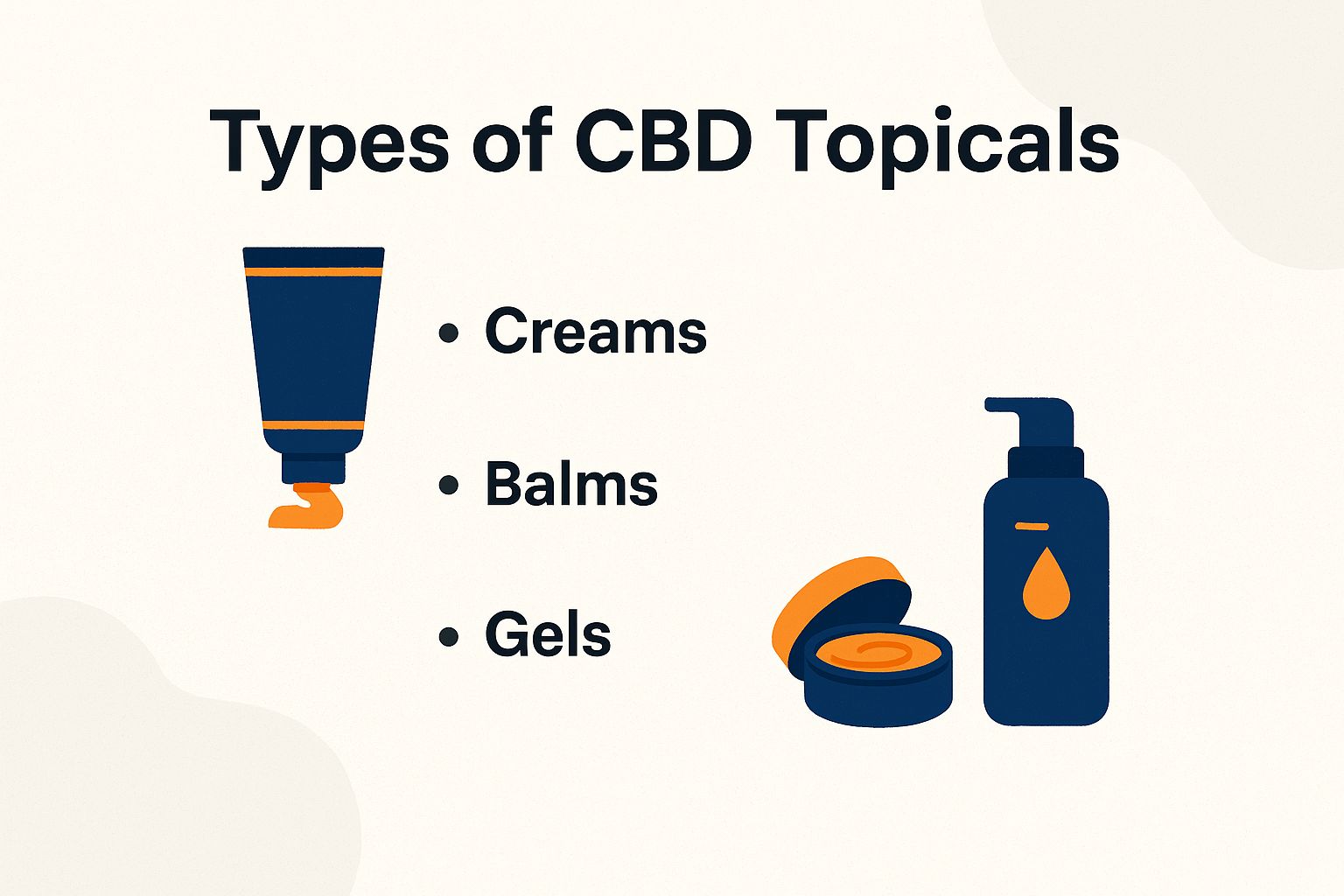
A comprehensive understanding of the various types of CBD topicals is essential for selecting the appropriate formulation to address specific needs, such as joint pain or skin conditions.
Creams
CBD creams typically possess a higher water content, rendering them ideal for moisturizing the skin and offering broad relief from conditions such as eczema and psoriasis. These formulations often combine CBD with beneficial ingredients like shea butter, coconut oil, and aloe vera, which enhance their hydrating properties.
For instance, a CBD cream that includes shea butter is particularly effective for addressing dry, flaky skin, whereas a formulation enriched with aloe vera can provide soothing relief from irritation. Individuals with eczema may find that daily application is advantageous, as it may potentially reduce flare-ups and improve overall skin texture.
It is advisable to conduct a patch test with any new product to ensure compatibility with one’s skin type prior to full application.
Balms
CBD balms possess a thicker consistency and create a protective barrier on the skin, rendering them particularly effective for localized pain relief and muscle soreness.
The application of CBD balms following physical exercise can facilitate muscle recovery and mitigate inflammation. For example, individuals experiencing soreness after running may find relief by massaging a balm containing 200mg of CBD directly onto the affected area.
Products such as ‘Charlotte’s Web CBD Balm’ and ‘Fab CBD Topical Cream’ are well-regarded for their effective formulations.
Furthermore, it is advisable to apply CBD balms prior to engaging in activities that are known to strain muscles, such as hiking or weightlifting, in order to proactively alleviate potential soreness.
Gels
CBD gels offer a cooling sensation upon application, which can significantly enhance the relief experienced for sore muscles and inflammation. These gels frequently incorporate menthol, which cools the skin while simultaneously stimulating blood flow, thus promoting a faster recovery process.
For athletes, the application of CBD gel following a workout can alleviate discomfort in aching joints and reduce swelling. A typical method of application involves massaging a small amount directly onto the affected areas, facilitating quick absorption.
Products such as Medterra or Charlotte’s Web are popular options in this category.
By incorporating CBD gels into a regular routine, individuals can effectively support muscle recovery and enhance their comfort during the post-exercise period.
Benefits of Using CBD Topicals
CBD topicals present a range of distinct benefits, including targeted pain relief and a favorable safety profile when compared to oral medications.
Localized Relief
Research suggests that CBD topicals can effectively alleviate localized pain and inflammation, offering relief without systemic side effects.
For example, a study conducted in 2016 and published in the European Journal of Pain demonstrated that the application of CBD to the skin resulted in a reduction of arthritis pain in rats, indicating potential applications for human use.
Users have reported significant improvements in conditions such as arthritis and muscle soreness following the consistent application of CBD creams or balms.
Notable products, including Charlotte’s Web CBD cream and Medterra CBD topical balm, are specifically formulated for this purpose, making them viable options for targeted pain relief.
To achieve optimal benefits, daily application is generally advised.
Non-Psychoactive Properties
Unlike THC, CBD is non-psychoactive, enabling users to achieve pain relief without experiencing the mind-altering effects typically associated with marijuana. This characteristic renders CBD topicals particularly attractive to individuals seeking relief from conditions such as arthritis or muscle soreness.
For instance, products like CBD-infused creams or balms can be applied directly to the affected areas, offering targeted relief. Brands such as Charlotte’s Web and Green Roads provide formulations specifically designed for pain management.
It is essential to ensure that any product selected has undergone third-party testing for quality and potency; this verification process ensures that consumers receive effective ingredients without undesirable side effects or additives.
Choosing the Right CBD Topical
Selecting the appropriate CBD topical necessitates a thorough understanding of concentration levels, ingredient composition, and the specific needs of an individual’s skin to achieve optimal therapeutic effects.
Understanding Concentration Levels
CBD topical products exhibit a wide range of concentrations, typically varying from 100 mg to 3000 mg per container, which directly impacts their strength and efficacy.
For example, a 100 mg CBD cream may be effective for addressing minor aches or localized skin conditions, offering gentle relief. Conversely, a 1500 mg lotion is more appropriate for individuals experiencing chronic pain, as it delivers a more potent effect. High-concentration products, such as a 3000 mg balm, are often recommended for severe conditions or during flare-ups.
When selecting a product, it is essential to consider individual needs and the frequency of use. While higher mg levels provide stronger doses, lower concentrations may be more beneficial for daily management, allowing for sustained relief.
Ingredient Considerations
It is essential to carefully examine the ingredient list of CBD topicals, as the inclusion of natural ingredients can significantly enhance their therapeutic benefits.
Natural components such as essential oils and herbal extracts not only offer soothing properties but also improve the overall effectiveness of CBD. For example, lavender oil is known to promote relaxation, while arnica extract is recognized for its anti-inflammatory properties.
In contrast, synthetic additives may cause skin irritations or reduce the product’s efficacy. Therefore, it is advisable to seek topicals with clearly labeled ingredients that highlight organic components, such as those utilizing shea butter or coconut oil as a base.
Additionally, reviewing third-party lab results can help ensure the absence of harmful substances, contributing to a safer and more effective product.
How to Use CBD Topicals Effectively
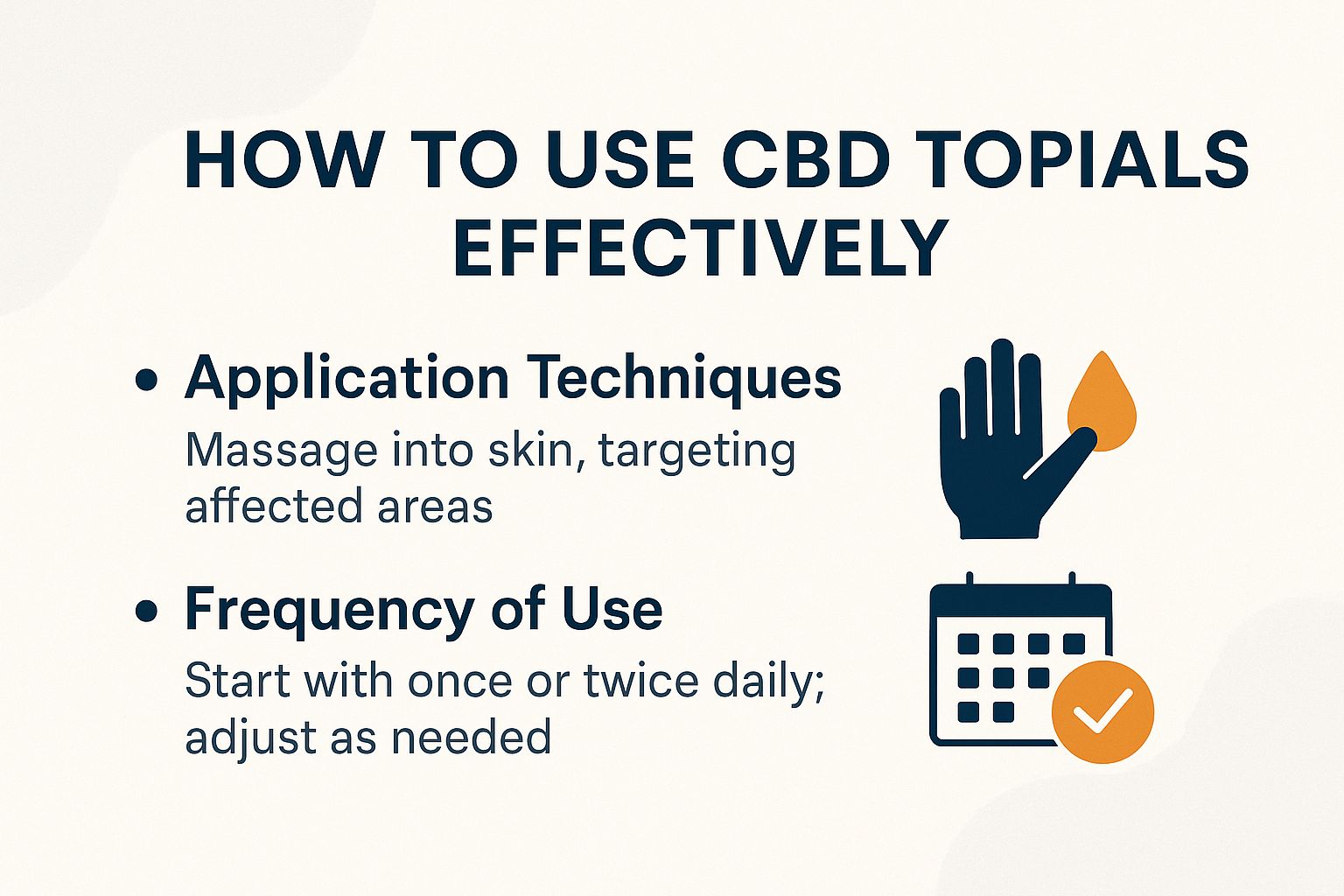
The effective use of CBD topicals requires adherence to appropriate application techniques and a clear understanding of the optimal frequency for achieving the best results.
Application Techniques
For optimal efficacy, it is recommended to apply CBD topicals directly to the affected area using gentle, circular motions to enhance absorption. It is important to ensure that the skin is clean and slightly damp, as this maximizes product penetration. A practical guideline is to apply a dime-sized amount and massage it into the skin for approximately 30 seconds.
Additionally, utilizing a body scrub prior to application can be beneficial, as it exfoliates dead skin cells and further improves absorption. For the best results, it is advisable to apply the topical consistently at the same time each day, allowing the CBD to accumulate in the system.
It is also essential to monitor one’s response to the product in order to make necessary adjustments to the amount or frequency of application.
Frequency of Use
Most users experience benefits from the application of CBD topicals two to three times daily, depending on the severity of the condition being treated. For mild discomfort, such as muscle soreness, it is common for users to begin with two applications-once in the morning and once in the evening.
In cases of chronic pain or more significant inflammation, increasing the frequency to three times daily may yield improved results. Some users have reported positive outcomes from utilizing products such as CBD Muscle Cream or Cooling Balm, noting significant relief following consistent use.
It is advisable to adjust the frequency of application based on individual response. Additionally, maintaining a daily journal to track efficacy and side effects may be beneficial in fine-tuning one’s regimen.
Potential Side Effects and Considerations
Although CBD topicals are generally regarded as safe, it is important to note that some users may experience side effects. These can include allergic reactions or interactions with other medications.
Allergic Reactions
Individuals with sensitive skin may be prone to irritation or allergic reactions, which underscores the importance of conducting a patch test prior to using a new product.
Common allergic reactions to CBD topicals can manifest as redness, itching, or rashes, particularly in individuals who are sensitive to specific ingredients such as essential oils or preservatives.
To perform a patch test, it is advisable to apply a small amount of the product to an inconspicuous area, such as the inner forearm, and to observe for any adverse reactions over a 24-hour period.
Additionally, reviewing the ingredient list prior to use is essential, and beginning with a broad-spectrum CBD product is recommended, as these typically contain fewer potential irritants. This approach helps to ensure safe application while minimizing the risk of unwanted irritation.
Drug Interactions
CBD topicals have the potential to interact with other medications, particularly those that are metabolized by the liver. Therefore, it is advisable to consult a healthcare provider prior to use.
This caution is particularly important as CBD can inhibit cytochrome P450 enzymes, which are integral to the metabolism of various drugs. For example, individuals taking anticoagulants such as warfarin or anticonvulsants may experience altered effects from these medications.
Furthermore, the combination of CBD with sedatives may enhance their sedative effects, potentially leading to increased drowsiness. It is essential to provide healthcare professionals with a comprehensive list of all medications and supplements currently being used, enabling them to assess any potential interactions effectively.
Emerging Research
Recent studies indicate promising therapeutic benefits of CBD topicals for conditions such as psoriasis and chronic pain, suggesting substantial market potential.
For instance, a 2020 study published in the Journal of Pain Research examined the effects of a CBD cream, which demonstrated a significant reduction in pain for arthritis patients after two weeks of consistent use.
Similarly, a 2021 clinical trial published in the journal Dermatology revealed that a CBD lotion effectively improved psoriasis symptoms by reducing inflammation and redness. Researchers employed standardized scales to assess improvement, emphasizing the potential of CBD’s anti-inflammatory properties as a non-invasive alternative to conventional treatments.
These findings highlight the increasing interest in CBD topicals within both the medical and cosmetic industries.
Market Growth and Innovations
The CBD topical market is currently experiencing substantial growth, with projections indicating it will reach $4.1 billion by 2026, driven by an increasing consumer demand for natural remedies. This upward trajectory presents considerable opportunities for brands to innovate their product formulations.
For example, companies are increasingly integrating synergistic ingredients such as menthol and essential oils into their CBD creams, which enhances pain relief while also providing aromatic benefits. Additionally, delivery methods like transdermal patches are gaining popularity, as they offer targeted treatment without the psychoactive effects associated with THC.
Furthermore, engaging in consumer education through workshops and online content can effectively position brands as industry leaders, thereby attracting the interest of health-conscious consumers who are in search of holistic solutions.
Frequently Asked Questions
What are CBD topicals and how do they work?
CBD topicals are products that are infused with cannabidiol (CBD), a compound found in the cannabis plant. They come in the form of creams, balms, and gels and are applied directly to the skin. CBD topicals work by interacting with the body’s endocannabinoid system, which helps regulate pain and inflammation.
What are the benefits of using CBD topicals for pain relief?
CBD topicals have been shown to provide relief for various types of pain, including muscle soreness, joint pain, and arthritis. They can also help reduce inflammation and improve skin conditions like eczema and psoriasis.
Is it safe to use CBD topicals for pain relief?
Yes, it is generally considered safe to use CBD topicals for pain relief. CBD is non-psychoactive, meaning it does not produce a “high” like THC. It also has few reported side effects, making it a low-risk option for pain relief.
How do I choose the right CBD topical for my needs?
When selecting a CBD topical, it’s important to consider the concentration of CBD, the type of product (cream, balm, gel), and any additional ingredients. You may also want to consider factors like scent and texture. It’s recommended to start with a lower concentration and gradually increase as needed.
Can I use CBD topicals in combination with other pain relief methods?
Yes, CBD topicals can be used in combination with other pain relief methods. They can be used alongside oral medications or other topical treatments, and can also be used for maintenance and prevention of pain symptoms.
Are there any potential risks or side effects of using CBD topicals?
While CBD topicals are generally considered safe, there is still limited research on its long-term effects. It’s always recommended to consult with a healthcare professional before using any new product, especially if you have a pre-existing medical condition or are taking other medications.