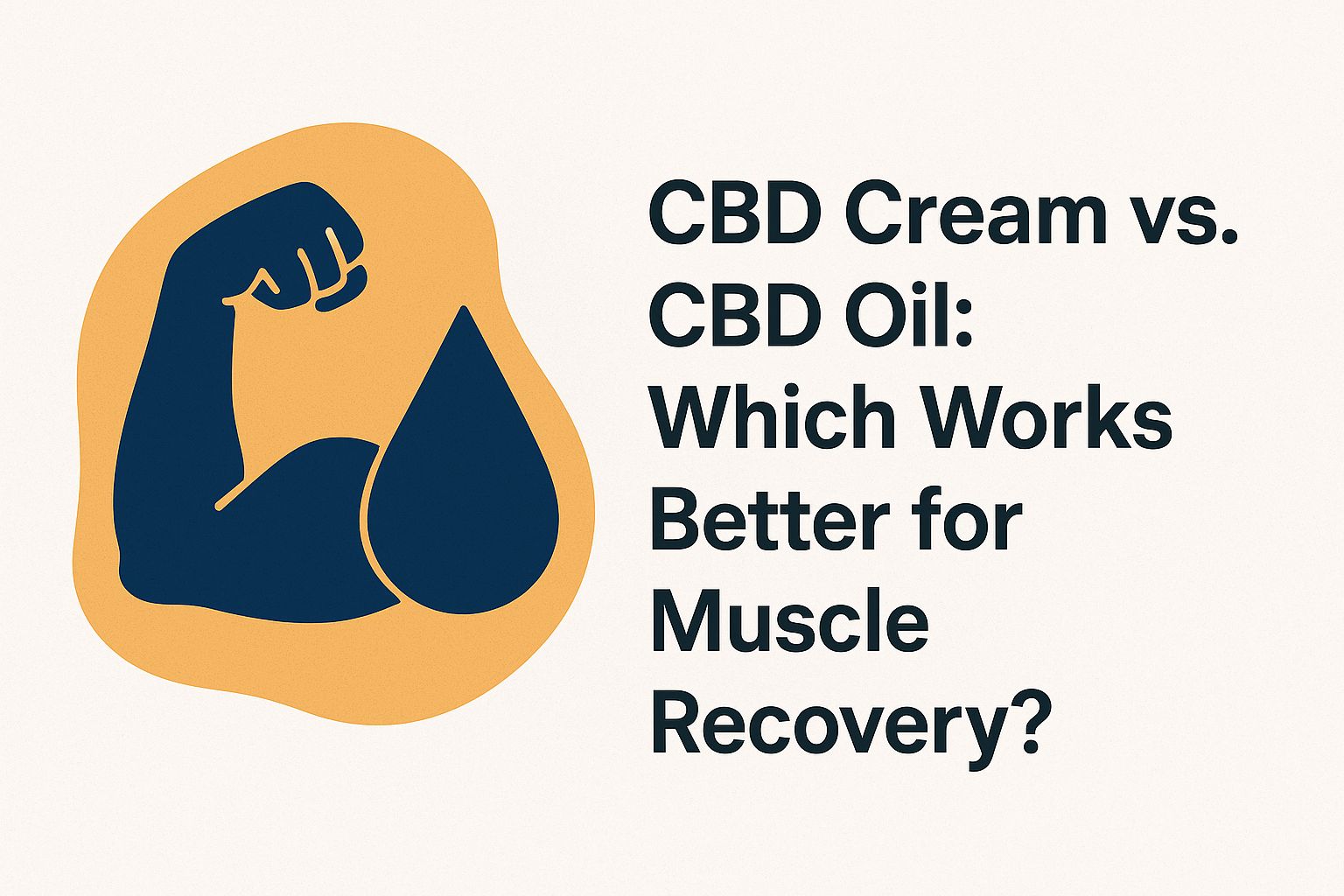
As athletes and fitness enthusiasts seek effective ways to enhance muscle recovery, CBD has emerged as a popular option. Understanding the differences between CBD cream and CBD oil is crucial, as each product offers unique benefits and mechanisms of action. This exploration delves into the effectiveness of both forms, examining their application methods, onset of action, and potential side effects. Discover which CBD product may be your best ally in the pursuit of recovery and relief.
Overview of CBD Products
CBD products encompass a range of formulations, primarily including oils and creams, each offering distinct application methods and benefits for muscle recovery.
CBD oil is typically administered sublingually or incorporated into foods, facilitating its absorption into the bloodstream for systemic effects. This method may assist in alleviating anxiety and reducing inflammation. Numerous users report experiencing relief from joint pain and an enhancement in sleep quality.
Conversely, CBD creams are intended for topical application, allowing for targeted relief of localized pain. These formulations are often preferred by individuals seeking immediate alleviation for sore muscles or specific skin conditions, with claims of diminished inflammation and improved recovery following physical exertion.
Both product types address varying therapeutic needs, accommodating individual preferences.
Understanding Muscle Recovery
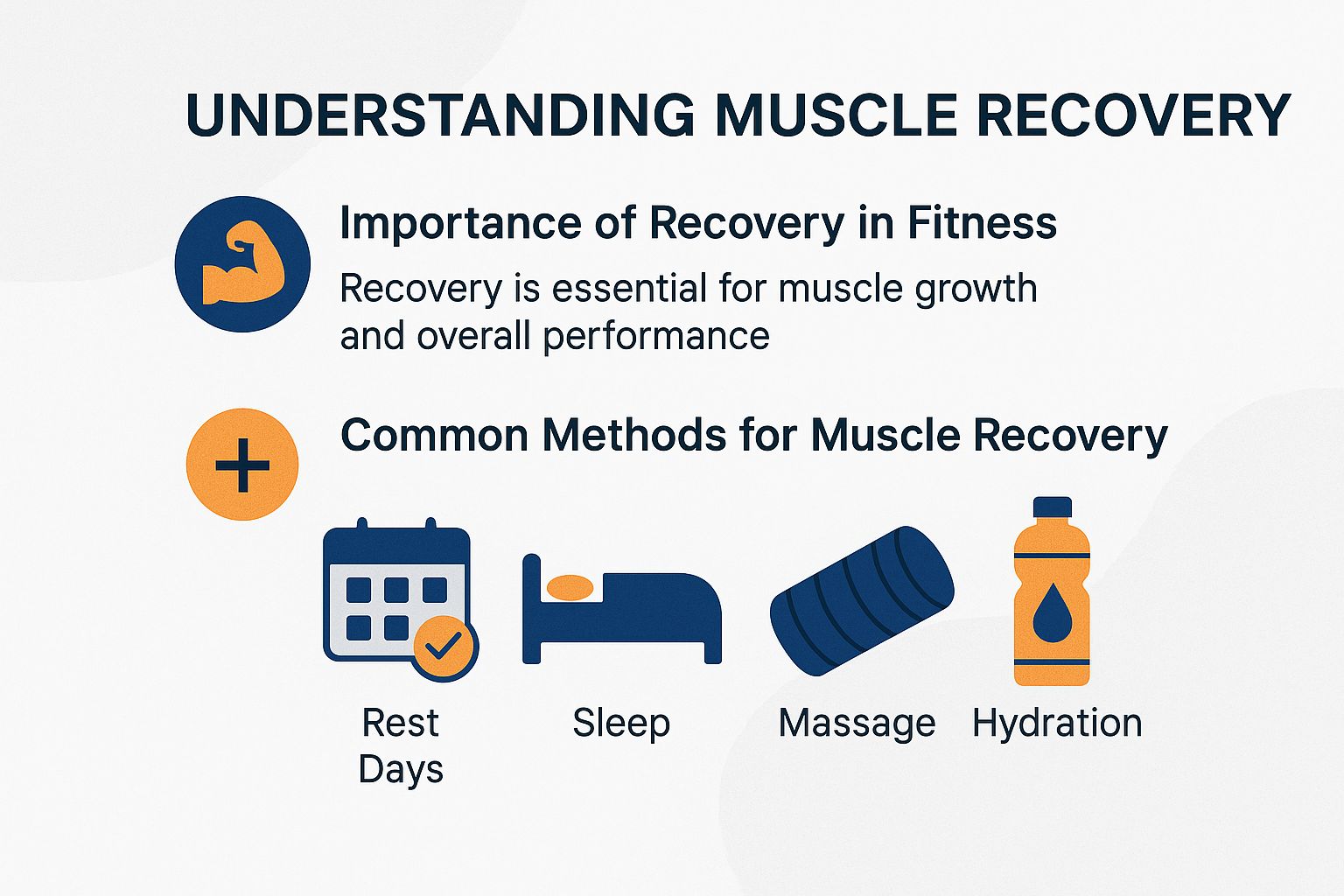
Effective muscle recovery is essential for athletes and fitness enthusiasts, as it promotes optimal performance and minimizes the risk of injuries.
Importance of Recovery in Fitness
Recovery is a critical phase that enables muscles to repair and strengthen, which is essential for achieving fitness goals and optimizing athletic performance.
During recovery, muscle fibers undergo repair through a process known as muscle protein synthesis, wherein amino acids work to rebuild damaged tissues. This vital process generally occurs within 24 to 48 hours following exercise.
Additionally, the replenishment of glycogen is important for restoring energy stores, which enhances endurance for subsequent training sessions.
To effectively support these recovery processes, athletes should prioritize adequate sleep, aiming for 7 to 9 hours per night, and maintain a balanced diet that is rich in protein and carbohydrates.
Furthermore, incorporating rest periods and employing techniques such as foam rolling or light stretching can significantly facilitate recovery and help maintain optimal performance levels.
Common Methods for Muscle Recovery
Athletes frequently employ various methods for enhancing muscle recovery, including rest, hydration, massage, and nutritional supplements.
Plus these traditional techniques, innovative recovery methods are gaining traction in the athletic community. For instance, foam rolling has been shown to alleviate muscle tightness and enhance blood circulation, thereby increasing muscle pliability. Research indicates that foam rolling can effectively reduce post-exercise soreness.
Ice baths, although often perceived as uncomfortable, have proven effective in minimizing inflammation following intense workouts, with studies noting subjective reports of pain reduction. Furthermore, the potential anti-inflammatory properties of CBD oil are currently under exploration, with some athletes reporting improved recovery times.
Each of these methods can be customized to meet individual preferences and specific recovery requirements, enabling athletes to optimize their performance effectively.
What is CBD?
Cannabidiol (CBD) is a non-psychoactive compound extracted from the hemp plant, recognized for its potential therapeutic benefits, especially in the areas of wellness and recovery.
Types of CBD Products
CBD products can be classified into three primary categories: full-spectrum, broad-spectrum, and isolate, each differing in their cannabinoid composition and associated effects.
Full-spectrum CBD products encompass all cannabinoids, including trace amounts of THC, which may enhance the entourage effect. This characteristic makes them particularly favored by individuals seeking relief from anxiety or chronic pain. For instance, products such as Charlotte’s Web provide these benefits while remaining compliant with legal THC limits.
Broad-spectrum CBD products exclude THC but retain other cannabinoids, making them suitable for consumers who wish to avoid THC entirely while still obtaining therapeutic advantages. Brands like Lazarus Naturals specialize in creating such products.
Isolate products consist of pure CBD and are frequently utilized by individuals who prefer to avoid all other cannabinoids. A common application of CBD isolate includes incorporating the powder into cooking or baking for those who value discretion in their consumption.
Mechanism of Action in the Body
CBD interacts with the endocannabinoid system (ECS) in the body, playing a significant role in the management of pain and recovery processes through its action on cannabinoid receptors. The ECS is essential for regulating various physiological functions, including pain sensation, immune response, and inflammation.
By binding to the CB1 and CB2 receptors, CBD has the potential to diminish pain perception and reduce inflammation, offering possible relief for conditions such as arthritis and chronic pain.
For example, the application of a topical CBD balm can directly address localized pain, while oral tinctures may provide systemic relief.
Clinical studies indicate that consistent use of CBD may enhance recovery following exercise by reducing inflammation, thus improving overall mobility and comfort.
CBD Cream: Benefits and Uses
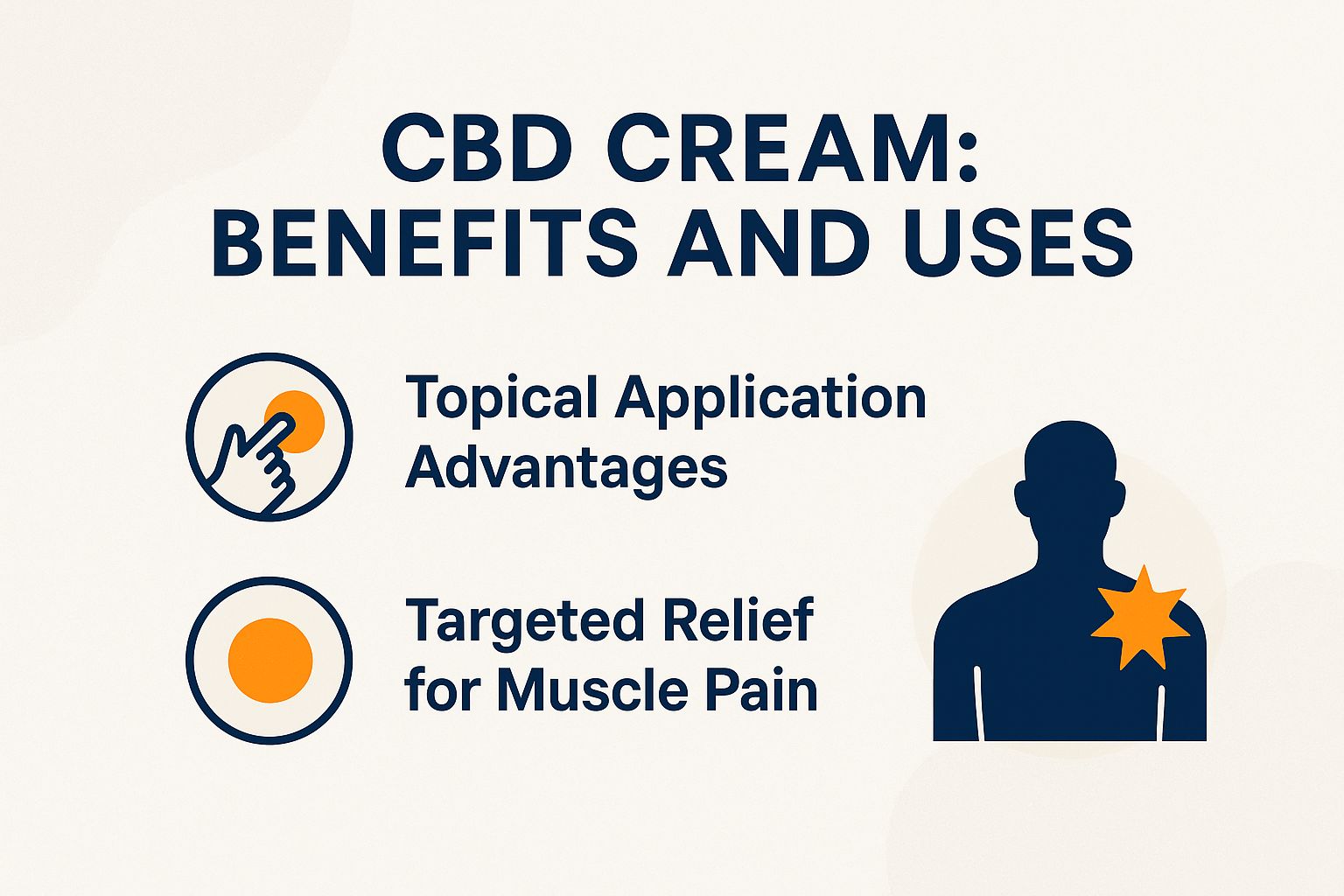
CBD cream provides localized pain relief and has demonstrated effectiveness in addressing targeted muscle soreness following exercise.
Topical Application Advantages
Topical CBD products, such as creams, provide rapid absorption through the skin, circumventing the digestive system for expedited relief. This immediate effect can be particularly advantageous for athletes experiencing localized inflammation resulting from injuries or intense workouts.
When these products are applied directly to the affected areas, CBD interacts with cannabinoid receptors in the skin, potentially reducing pain and swelling effectively.
For example, brands like Charlotte’s Web offer muscle gels that are preferred by athletes for post-exercise recovery. It is recommended to apply these products approximately 30 minutes prior to a workout to achieve optimal relief, allowing sufficient time for absorption and the onset of effects. This practice can enhance performance while minimizing discomfort.
Targeted Relief for Muscle Pain
Research indicates that the application of CBD cream directly to sore muscles may significantly reduce pain levels within 30 minutes of use. For optimal results, it is advisable to apply a dime-sized amount of CBD cream directly onto the affected area, gently massaging for approximately 30 seconds to enhance absorption.
User experiences suggest that applying the cream 2-3 times daily can yield cumulative benefits, with many individuals reporting a noticeable reduction in discomfort during physical activities.
Additionally, combining the application of the cream with stretching or light exercise may further enhance its effectiveness by promoting improved blood circulation.
It is essential to verify the presence of third-party lab tests to ensure the use of a high-quality product, thereby maximizing the potential for relief.
CBD Oil: Benefits and Uses
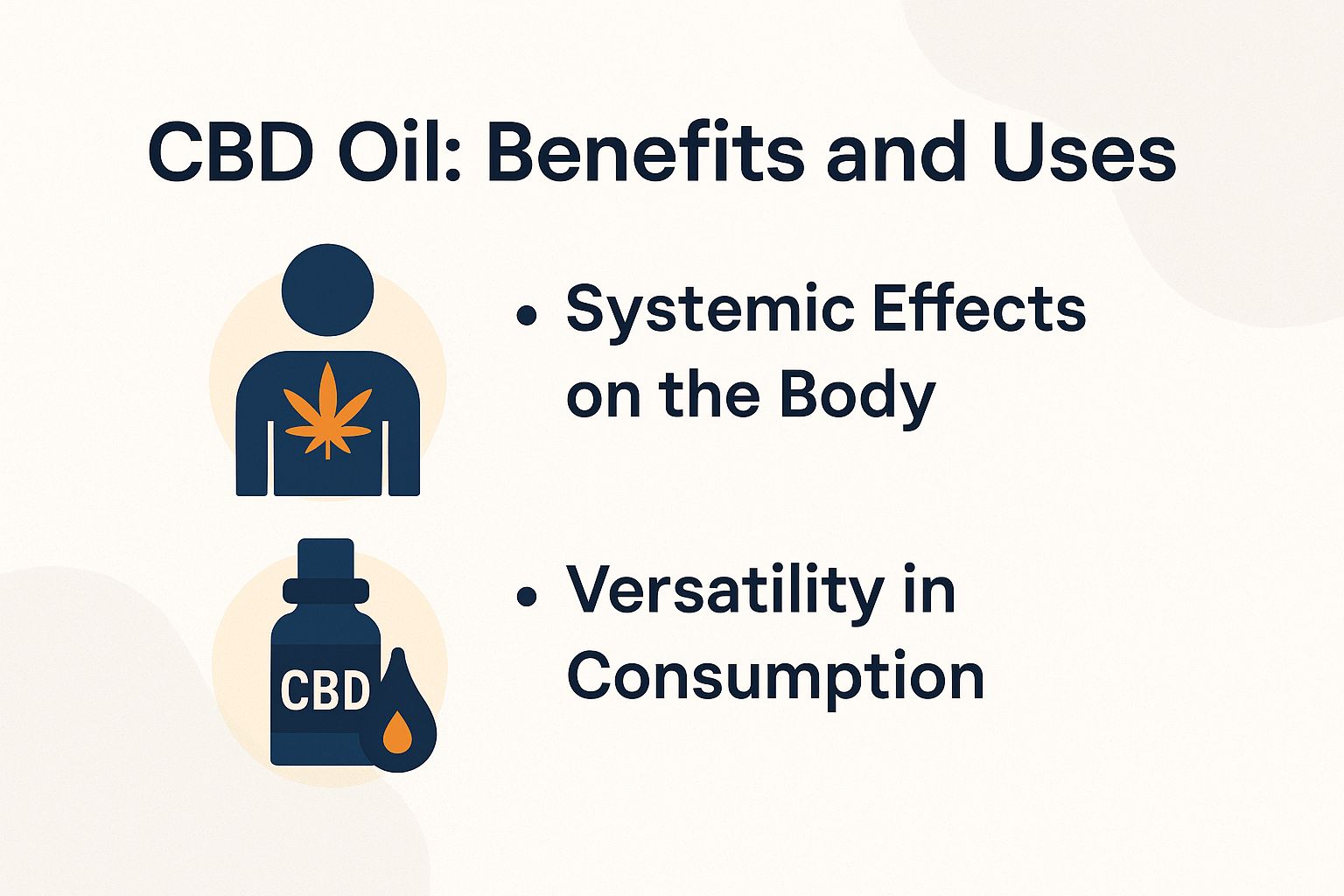
CBD oil is well-regarded for its systemic effects, contributing to overall wellness and aiding in the recovery from muscle fatigue and soreness.
Systemic Effects on the Body
When ingested, CBD oil activates cannabinoid receptors throughout the body, offering a holistic approach to muscle recovery and the reduction of inflammation. This activation plays a key role in regulating various physiological processes, leading to a decrease in systemic inflammation, which is essential for recovery following intense workouts.
Research indicates that the use of CBD oil can significantly alleviate muscle soreness and reduce recovery times. To capitalize on these benefits, it is advisable to incorporate 10-20 mg of CBD oil into your post-workout regimen.
Many users report that tinctures are particularly effective due to their rapid absorption rate. Additionally, topical CBD creams can provide targeted relief for sore muscles and joints, delivering immediate soothing effects.
Versatility in Consumption
CBD oil can be administered through various methods, including sublingual application, incorporation into food, or consumption in capsule form, thereby allowing for adaptable dosing in accordance with individual preferences.
Sublingual consumption involves placing several drops under the tongue, facilitating rapid absorption, with a typical dosage ranging from 10 to 30 mg. Alternatively, integrating CBD oil into food can effectively mask its flavor, resulting in a more gradual onset of effects; this method is generally recommended for individuals seeking prolonged benefits.
Capsules, which typically contain between 15 to 25 mg, provide a convenient and precise means of dosing; however, they require more time to take effect, as they must first pass through the digestive system.
By experimenting with these various methods, users can identify the most suitable approach to meet their specific needs.
Comparative Analysis
A comparison of CBD cream and oil highlights distinct advantages and disadvantages for muscle recovery, which can significantly influence user preferences based on their individual requirements.
Efficacy for Muscle Recovery
Clinical studies indicate that while CBD cream may provide localized relief, CBD oil is likely to offer broader recovery benefits for overall muscle fatigue.
For instance, a case study published in the Journal of Pain Research revealed that athletes utilizing CBD cream reported up to a 50% reduction in localized pain following intense workouts.
In contrast, those using CBD oil experienced a significant decrease in overall muscle fatigue, with many reporting improved recovery times averaging 30%.
These findings suggest that the choice between CBD cream and CBD oil may depend on the specific nature of muscle soreness-whether it is localized pain or widespread fatigue. Incorporating both forms into a recovery regimen could potentially optimize outcomes.
Onset of Action and Duration
CBD cream typically takes effect within 30 minutes, whereas CBD oil may require 1 to 2 hours for its effects to become apparent, depending on the individual’s metabolism.
This delayed onset associated with CBD oil can be influenced by various factors, including an individual’s weight, dietary habits, and the method of ingestion. Many users report that CBD oil generally provides longer-lasting effects, which can be particularly advantageous for chronic pain management.
Conversely, CBD cream, due to its quicker absorption through the skin, is often preferred for localized relief, such as for sore muscles or joint pain.
For optimal results, it is advisable to begin with CBD oil for systemic benefits while maintaining CBD cream for immediate, targeted relief.
Side Effects and Considerations
Although both CBD cream and oil are generally regarded as safe, it is important for users to be aware of potential side effects prior to their use.
Potential Risks of CBD Cream
Users may experience skin irritation or allergic reactions when utilizing CBD cream, particularly if the formulation includes additional ingredients. To mitigate these risks, it is essential for consumers to prioritize high-quality CBD products.
It is advisable to select brands that provide third-party lab testing results, which confirm the product’s purity and potency.
Before applying the cream more broadly, it is prudent to conduct a patch test on a small area of skin to ensure there are no adverse reactions. Formulations that incorporate natural ingredients, such as those infused with aloe vera or shea butter, can be beneficial in soothing irritation.
Additionally, it is recommended to avoid products containing synthetic fragrances or alcohol, as these may exacerbate sensitivity. If there is any uncertainty regarding the use of CBD products, it is always best to consult a healthcare provider.
Potential Risks of CBD Oil
CBD oil has the potential to interact with certain medications, which may result in side effects such as drowsiness or gastrointestinal discomfort. To mitigate these risks, it is advisable to consult with a healthcare professional prior to using CBD oil, particularly if one is taking anticoagulants, anxiolytics, or anticonvulsants.
It is recommended to commence with a low dosage, typically between 5-10 mg, and gradually increase this amount to assess the body’s response. Additionally, it is prudent to monitor for any side effects and maintain a journal to track symptoms and dosing.
If there is unusual reactions, it is essential to discontinue use and consult a physician. Furthermore, it is advisable to select reputable brands that offer third-party lab testing to ensure safety and efficacy.
Final Thoughts on Choosing Between CBD Cream and Oil
Both CBD cream and oil can play significant roles in a comprehensive muscle recovery strategy, each providing distinct benefits suited to specific user requirements.
CBD cream is generally favored for targeted relief; for instance, applying it directly to sore muscles can effectively address localized inflammation. Many users report that products such as Medterra’s CBD Cream, available in a 500mg strength, are particularly effective for alleviating muscle soreness.
Conversely, CBD oil may be more advantageous for overall relaxation and stress reduction, which can indirectly support the recovery process. Brands such as Charlotte’s Web offer oils in varying strengths, enabling users to identify their ideal dosage.
Engaging in experimentation with both forms of CBD can assist in determining which option delivers the most favorable outcomes for individual recovery needs.
Frequently Asked Questions
What is the difference between CBD cream and CBD oil for muscle recovery?
CBD cream is a topical product that is applied directly to the skin, while CBD oil is ingested orally. CBD cream is often used for targeted relief on specific muscle areas, while CBD oil can provide overall body relaxation and pain relief.
How does CBD cream work for muscle recovery?
CBD cream works by interacting with the body’s endocannabinoid system, which helps regulate functions like pain sensation, inflammation, and muscle tension. When applied to the skin, CBD cream can help reduce inflammation and promote muscle relaxation.
Can CBD oil be used for muscle recovery?
Yes, CBD oil can be used for muscle recovery. When ingested, CBD oil can help reduce overall body inflammation and promote relaxation, which can aid in muscle recovery after intense physical activity.
Which is more effective for muscle recovery: CBD cream or CBD oil?
Both CBD cream and CBD oil can be effective for muscle recovery, depending on the individual’s needs. CBD cream may be more effective for targeted relief on specific muscle areas, while CBD oil may be more effective for overall body relaxation and pain relief.
Are there any potential side effects of using CBD cream or CBD oil for muscle recovery?
CBD cream and CBD oil are generally well-tolerated, but some people may experience side effects such as dry mouth, dizziness, or drowsiness. It is important to consult with a doctor before using CBD products, especially if you are currently taking any medications.
Can CBD cream and CBD oil be used together for muscle recovery?
Yes, CBD cream and CBD oil can be used together for muscle recovery. Many people find that using both products can provide more comprehensive relief for muscle soreness and tension. However, it is important to follow proper dosage guidelines and consult with a doctor before combining CBD products.