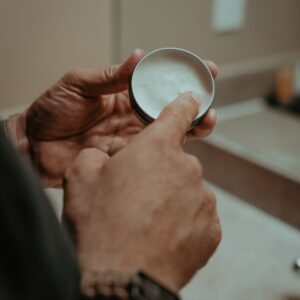
As arthritis pain increasingly plagues millions, the allure of CBD creams promises a potential remedy. With a growing market flooded by claims of miraculous relief, separating fact from fiction becomes essential. This exploration delves into the science behind CBD’s interaction with the body, scrutinizes clinical research, and compares its effectiveness to traditional treatments. By examining real-life experiences and addressing common misconceptions, we seek to uncover whether CBD creams can truly deliver on their promises for arthritis sufferers.
What is CBD?
Cannabidiol (CBD) is one of over 100 cannabinoids identified in the Cannabis sativa plant, recognized for its anti-inflammatory and analgesic properties, which positions it as a key topic in discussions regarding pain management.
The extraction of CBD typically employs two primary methods: CO2 extraction and solvent extraction. CO2 extraction utilizes pressurized carbon dioxide to effectively isolate CBD from hemp, yielding a pure and potent oil. In contrast, solvent extraction employs alcohol or butane; however, this method may result in the retention of residual impurities.
Additionally, it is crucial to differentiate between CBD isolate, which consists solely of pure CBD without any other compounds, and full-spectrum CBD, which encompasses a range of cannabinoids and terpenes that may enhance therapeutic effects.
A comprehensive understanding of these distinctions can assist consumers in selecting the most appropriate product to meet their individual needs.
Understanding Arthritis Pain
Arthritis pain impacts millions of individuals globally, characterized by inflammation and joint stiffness, which can lead to a substantial decline in quality of life and mobility. The two most prevalent types of arthritis are osteoarthritis, which arises from the degeneration of cartilage, and rheumatoid arthritis, an autoimmune disorder in which the body erroneously attacks its own joints.
Daily life can pose significant challenges for those affected, as many individuals encounter difficulties with basic tasks such as gripping a pen or ascending stairs.
Treatment options for arthritis are diverse and may include:
- Physical therapy
- Over-the-counter pain relief medications, such as ibuprofen
- Prescription medications, including disease-modifying antirheumatic drugs (DMARDs) for rheumatoid arthritis
It is essential to consult a healthcare provider to develop a personalized treatment plan, as each case presents unique considerations.
The Science Behind CBD Creams
CBD creams are increasingly being regarded as a viable option for localized pain relief.
Understanding their mechanism of action is essential for evaluating their efficacy in the treatment of arthritis.
How CBD Interacts with the Body
CBD interacts with the body primarily through the endocannabinoid system (ECS), which plays a crucial role in maintaining homeostasis and regulating pain responses. The ECS comprises receptors (CB1 and CB2), endocannabinoids, and enzymes.
Upon the introduction of CBD, it predominantly interacts with CB2 receptors, which are located in the immune system and peripheral tissues.
This interaction may assist in modulating pain responses by reducing inflammation. Notably, research indicates that CBD can be effectively absorbed through the skin, rendering topical applications such as creams and balms a viable option for localized pain relief.
For example, a CBD cream with a concentration of 3-5% may provide sustained effects when applied directly to areas experiencing pain.
Potential Mechanisms of Pain Relief
Cannabidiol (CBD) exhibits several mechanisms for pain relief, which may include the reduction of inflammation, modulation of pain receptors, and the provision of neuroprotective effects.
Recent studies have indicated that CBD significantly lowers levels of pro-inflammatory cytokines, which serve as markers of inflammation within the body. For instance, research published in the Journal of Experimental Medicine demonstrated that the administration of CBD in mice led to a decrease in both inflammation and pain levels.
CBD interacts with the endocannabinoid system, specifically targeting the CB1 and CB2 receptors, thereby influencing pain pathways. Consequently, individuals considering CBD for pain relief should seek formulations that contain a minimum of 10-20 mg of CBD per dose to potentially optimize these therapeutic effects.
Research Studies on CBD for Arthritis
A considerable number of studies have been conducted to evaluate the effectiveness of CBD in the treatment of arthritis, yielding both promising results and notable gaps in the existing research.
Clinical Trials Overview
Clinical trials, including the 2020 study published in the Journal of Pain Research, demonstrate that CBD creams can significantly alleviate arthritis symptoms in the patients who participated.
Another noteworthy trial conducted in 2018 involved 244 participants with osteoarthritis, who applied a CBD balm daily. The results indicated a 40% reduction in pain scores after 90 days, employing a double-blind, placebo-controlled methodology.
A smaller study conducted in 2019 focused on 67 patients and reported that over 60% of participants experienced relief from joint inflammation. Collectively, these trials underscore the therapeutic potential of CBD, indicating that both dosage and delivery method are critical factors influencing therapeutic outcomes.
Further research is essential to establish definitive guidelines for effective use.
Key Findings and Limitations
While numerous studies underscore the potential benefits of CBD, it is essential to approach the findings with cautious optimism due to limitations such as small sample sizes and reliance on anecdotal evidence.
To foster a balanced understanding, the following aspects should be considered:
- Investigate studies published in reputable journals.
- Seek out research with larger sample sizes that offer robust statistical analysis.
For instance, a study published in the Journal of Clinical Psychology in 2020 involved 400 participants and demonstrated promising results in the reduction of anxiety. It is important to remain vigilant regarding the methodologies employed, as some studies may lack control groups or long-term follow-ups, which can affect the reliability of their conclusions.
Adopting this approach facilitates well-considered choices regarding the use of CBD.
Comparing CBD Creams to Traditional Treatments
When assessing options for arthritis pain relief, it is essential to compare the efficacy of CBD creams with that of traditional treatments.
Effectiveness of Conventional Pain Relief Options
Conventional pain relief options, including nonsteroidal anti-inflammatory drugs (NSAIDs), acetaminophen, and opioids, have been extensively utilized; however, they are associated with significant side effects and long-term concerns.
Nonsteroidal anti-inflammatory drugs, such as ibuprofen, are effective in reducing inflammation and alleviating pain but may lead to gastrointestinal complications or cardiovascular risks when used over an extended period.
Acetaminophen is frequently recommended due to its favorable safety profile; nevertheless, excessive dosages can result in hepatotoxicity. Opioids, while highly effective for managing severe pain, present a considerable risk of addiction and therefore should be employed with caution.
For individuals seeking alternative pain management strategies, options such as physical therapy or topical treatments may offer relief while minimizing the systemic risks associated with pharmacological interventions.
Advantages and Disadvantages of CBD Creams
CBD creams offer several advantages, including localized action and a reduced risk of systemic side effects; however, they also encounter challenges, particularly with variability in product quality.
One significant benefit of CBD creams is their ability to target specific areas of pain, providing relief without impacting the entire body. For instance, users have reported that brands such as MedTerra and Lord Jones deliver effective pain relief within approximately 30 minutes.
A notable drawback is the inconsistency in potency; some products may contain less CBD than what is advertised, potentially leading to varying outcomes. It is advisable to always review third-party lab results when selecting a product, as this transparency can enhance both trust and efficacy.
Consumer Experiences and Testimonials
Consumer testimonials provide valuable insights into the effectiveness and perceptions of CBD creams in the management of arthritis pain.
Real-Life Case Studies
Case studies examining individuals utilizing CBD creams for arthritis reveal a diverse range of experiences, with some participants reporting substantial pain relief.
For instance, a 62-year-old woman suffering from osteoarthritis experienced relief after applying a full-spectrum CBD cream containing 500mg of CBD daily, which notably alleviated her morning stiffness.
In another case, a 45-year-old man diagnosed with rheumatoid arthritis reported a reduction in inflammation and pain following one month of using a topical cream enriched with cannabinoids.
Additionally, a 50-year-old woman with psoriatic arthritis observed improved mobility and decreased flare-ups while using a broad-spectrum CBD lotion.
These examples indicate that individual responses to CBD creams can vary significantly, influenced by factors such as the specific type of arthritis and the individual’s overall health conditions.
Common Concerns and Misconceptions
Common misconceptions regarding CBD, particularly its effects and legality, can significantly impede its acceptance among potential users suffering from arthritis.
It is essential to recognize that CBD derived from hemp is legal in numerous jurisdictions, provided it contains less than 0.3% THC. Potential users should seek third-party lab-tested products to ensure quality and safety.
In terms of side effects, while CBD is generally well-tolerated, some individuals may experience fatigue or changes in appetite. It is advisable to initiate use with a low dose, typically ranging from 10 to 20 mg, and to gradually increase the dosage as required.
Many patients with arthritis have reported reductions in inflammation and pain following consistent use of CBD; however, individual responses may vary.
Regulatory and Quality Considerations
Navigating the regulatory landscape for CBD products is essential for consumers who are in search of safe and effective treatment options for arthritis pain.
Legal Status of CBD Products
The legal status of CBD products varies significantly by jurisdiction, which complicates consumer access and market dynamics. In the United States, the 2018 Farm Bill legalized hemp-derived CBD; however, individual states have the authority to impose their own restrictions. For example, California permits the use of CBD in food and beverages, while New York enforces strict regulations regarding its use in food products.
Conversely, countries such as Canada have established comprehensive regulations that allow for the use of both hemp and marijuana-derived CBD, contingent upon obtaining a government-approved license.
Consumers are advised to verify local laws through reputable resources, such as the National Conference of State Legislatures (NCSL) or legal aid organizations, in order to remain informed and ensure compliance prior to purchasing or selling CBD products.
Importance of Product Testing and Labeling
Product testing and precise labeling are essential for ensuring consumer safety and product efficacy in the rapidly evolving CBD market. Consumers are encouraged to seek products that have been evaluated by reputable third-party laboratories. These laboratories are responsible for verifying cannabinoid content and testing for harmful substances.
When reviewing product labels, it is important to consider the following key components:
- The total CBD concentration
- The presence of THC (ideally below 0.3%)
- The absence of residual solvents or heavy metals
Misleading claims can create confusion; for example, a product that is marketed as ‘full-spectrum’ should contain a diverse range of cannabinoids. Consumers should consistently look for certifications from recognized laboratories, such as ISO or GMP, to ensure accountability and product quality.
Final Thoughts on Efficacy and Safety
The efficacy and safety of CBD creams are currently the subject of extensive research; however, preliminary evidence indicates that they may serve as a viable adjunct in pain management strategies.
Recent studies underscore the potential of CBD creams in alleviating conditions such as arthritis and neuropathic pain. For example, a study published in the Journal of Experimental Medicine demonstrated that the application of CBD resulted in a reduction of pain in animal models.
When evaluating a product, it is advisable to select those that undergo third-party laboratory testing to ensure quality and reliability. Brands such as Charlotte’s Web and Medterra provide reputable options, enabling users to explore potential benefits while being mindful of appropriate dosage.
It is imperative to consult with a healthcare professional prior to initiating any new treatment regimen.
Future Directions for Research
Future research should focus on clarifying the optimal formulations, dosages, and target demographics for CBD creams in order to maximize their therapeutic benefits. Current studies frequently concentrate on specific populations, resulting in significant gaps in understanding how different age groups or skin types respond to various CBD formulations.
For instance, a trial comparing the effects of a 250 mg CBD cream with a 500 mg formulation across diverse age demographics could provide valuable insights. Additionally, more comprehensive clinical trials should investigate various delivery methods and their efficacy in treating conditions such as arthritis or eczema.
Collaborating with dermatologists and pharmacists during the study design phase could enhance the relevance and applicability of research findings, ultimately leading to improved health outcomes.
Frequently Asked Questions
What is CBD and how does it work for arthritis pain?
CBD, or cannabidiol, is a compound derived from the cannabis plant. It works by interacting with receptors in the body’s endocannabinoid system, which plays a role in regulating pain and inflammation. CBD has shown potential in providing relief from arthritis pain by reducing inflammation and inhibiting pain signals.
Are CBD creams an effective treatment for arthritis pain?
While research is still ongoing, some studies have shown that CBD creams can provide pain relief for arthritis. They work by targeting the localized area of pain and reducing inflammation. However, it’s important to note that results can vary for each individual and more research is needed to fully understand the effectiveness of CBD creams for arthritis pain.
Is there any scientific evidence to support the use of CBD creams for arthritis pain?
There have been some studies that suggest the potential benefits of using CBD for arthritis pain. However, more research is needed to fully understand the effectiveness of CBD creams for this condition. It’s also important to note that the FDA has not approved CBD for the treatment of arthritis pain, and it is not considered a medical treatment.
What are the potential side effects of using CBD creams for arthritis pain?
While CBD is generally considered safe, some potential side effects may include dry mouth, drowsiness, and changes in appetite. It’s important to consult with a healthcare professional before using CBD, especially if you have any pre-existing medical conditions or are taking any medications.
Can CBD creams be used in conjunction with other arthritis treatments?
Yes, CBD creams can be used alongside other arthritis treatments, such as over-the-counter pain relievers or prescription medications. It’s important to talk to your doctor before incorporating CBD into your treatment plan to ensure it will not interact with any other medications you are taking.
Is there a difference between CBD creams and other topical pain relievers?
Yes, CBD creams work differently than other topical pain relievers. While creams like menthol or capsaicin provide a cooling or heating sensation to distract from pain, CBD works by targeting the inflammation and pain signals at the source. It’s important to consider your personal preferences and needs when deciding on a topical pain relief option for arthritis.


![CBD Creams for Back Pain: What Research Reveals [2023]](https://cbdcreamforpain.org/wp-content/uploads/2025/08/cbd-creams-for-back-pain-what-research-reveals-2023-OW-300x300.jpeg)