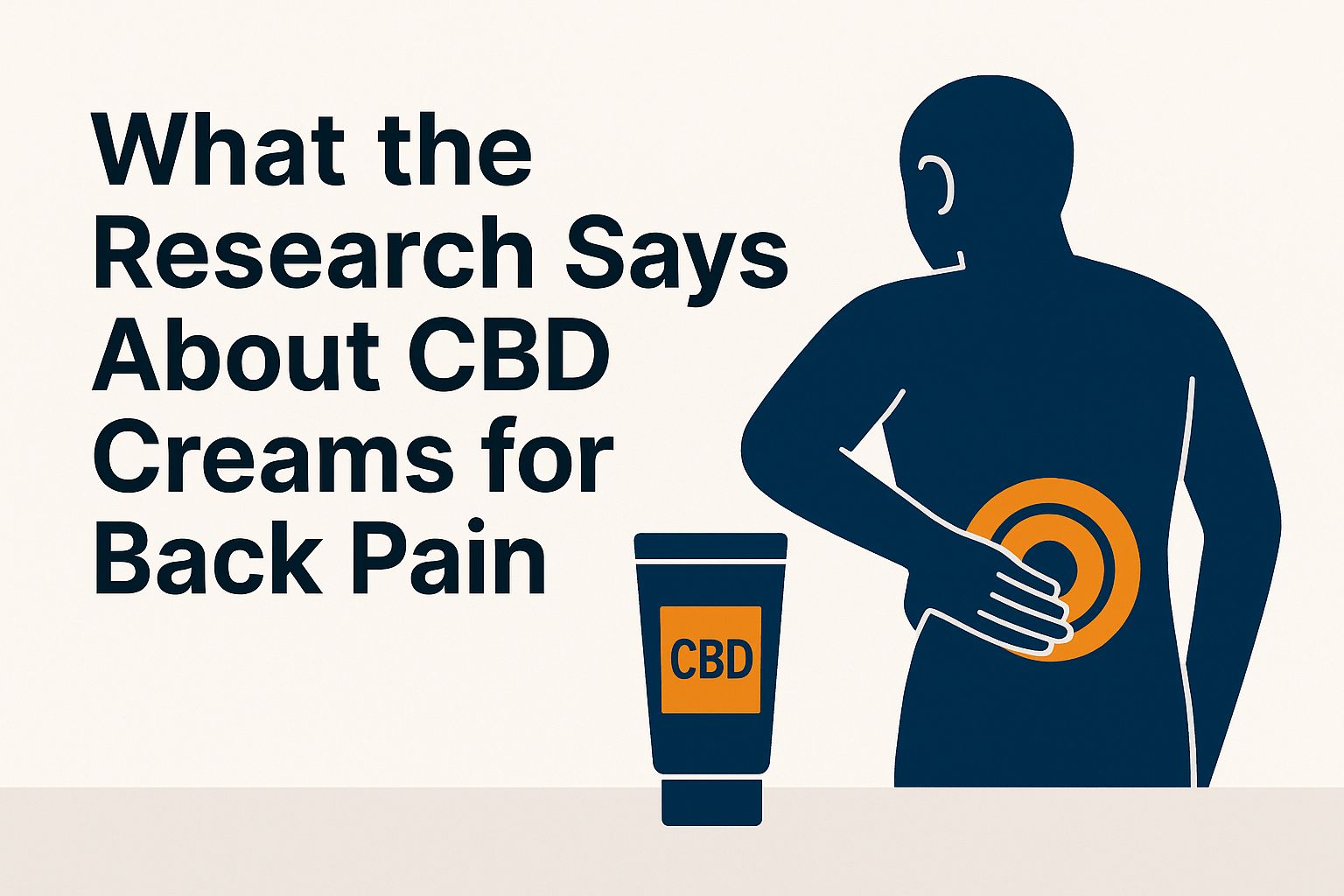
As back pain persists as one of the leading causes of disability worldwide, innovative solutions are increasingly sought after. CBD creams, derived from the cannabis plant, have gained attention for their potential therapeutic effects. This article delves into the science behind CBD, examining current research on its effectiveness compared to traditional treatments, as well as patient testimonials. Additionally, it will address possible side effects and the evolving legal landscape surrounding CBD products, offering a comprehensive overview of its implications for back pain relief.
What is CBD?
Cannabidiol (CBD) is a non-psychoactive compound extracted from hemp that interacts with the body’s endocannabinoid system, potentially mitigating pain and inflammation. Research suggests that approximately 70% of users report enhanced pain relief when utilizing CBD.
Derived from the Cannabis sativa plant, the legal status of CBD varies by jurisdiction; it is federally legal in the United States but subject to specific state regulations.
Users frequently select from a variety of forms, including oils, edibles, and topical creams, based on their individual preferences and therapeutic requirements. For instance, CBD oil is commonly employed for systemic pain management, whereas topical applications may offer targeted relief for localized discomfort.
How CBD Creams Work
CBD creams are formulated to penetrate the skin and interact with local cannabinoid receptors, thereby offering targeted pain relief without systemic effects.
These creams frequently incorporate specific formulations designed to enhance absorption. For instance, creams that utilize liposomal delivery systems encapsulate CBD molecules, facilitating their ability to cross the skin barrier more effectively.
Products such as Charlotte’s Web CBD cream and Medterra CBD cooling cream not only contain CBD but also incorporate essential oils that contribute additional anti-inflammatory properties.
When selecting a CBD cream, it is advisable to seek products that have undergone third-party lab testing to ensure quality and potency.
Consistent application to the affected area can optimize results, often providing relief within minutes.
Research Overview
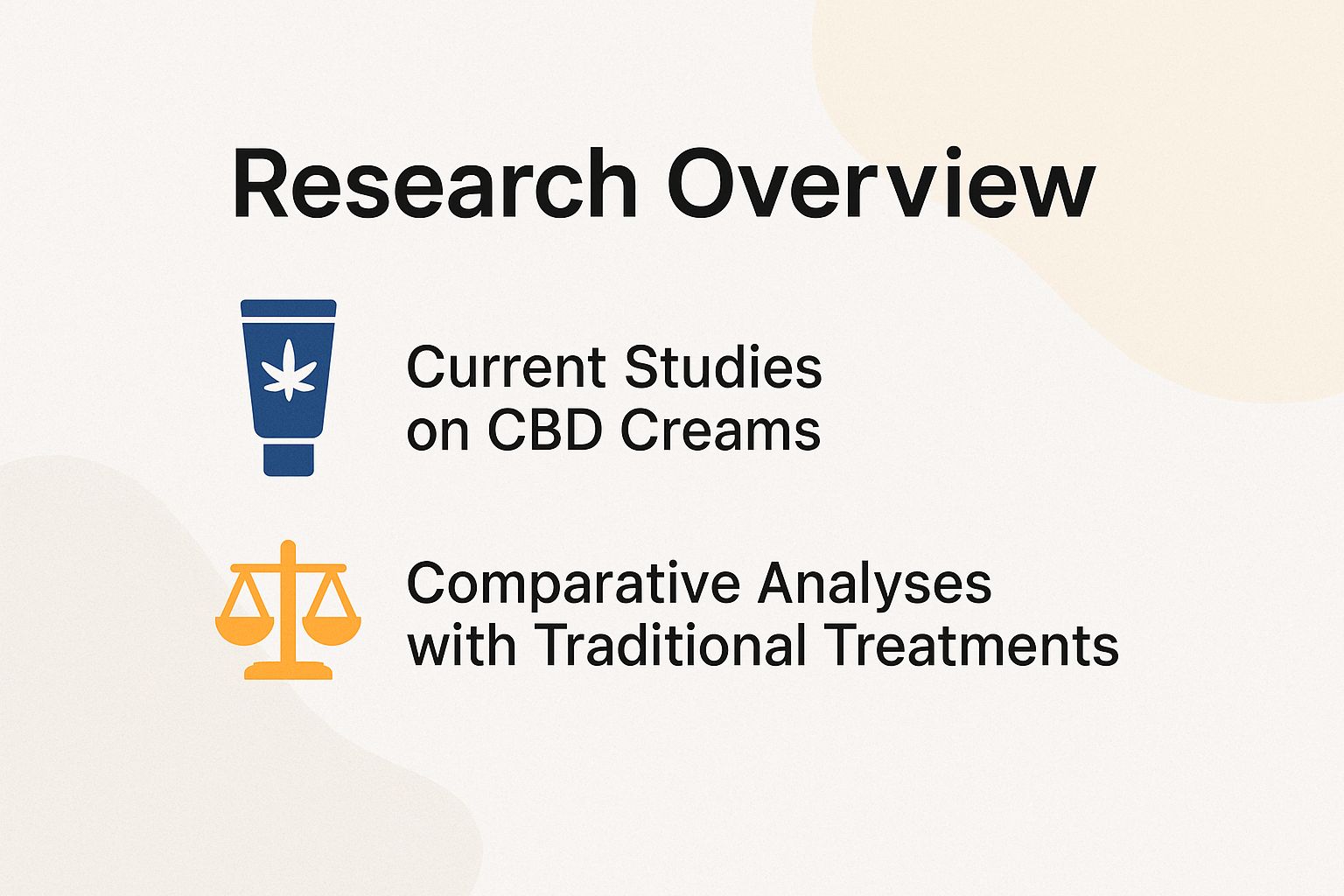
Current research on CBD creams underscores their efficacy in pain relief, bolstered by an expanding body of clinical studies and patient testimonials.
Current Studies on CBD Creams
Recent studies indicate that CBD creams may significantly reduce pain and inflammation. One clinical trial demonstrated a 60% improvement in arthritis symptoms among participants utilizing topical CBD.
Additionally, research published in the European Journal of Pain found that adequate topical dosages of CBD resulted in substantial reductions in localized pain, with participants reporting a 30% improvement in pain levels within just four weeks.
The researchers employed a double-blind, placebo-controlled design to enhance the reliability of the results. Furthermore, a survey conducted by Pain Medicine revealed that 70% of users experienced an improved quality of life after incorporating CBD creams into their daily routine.
These findings highlight CBD’s potential as an effective option for pain relief.
Comparative Analyses with Traditional Treatments
Comparative analyses indicate that CBD creams represent a favorable alternative to traditional pain management options, characterized by lower side effects and enhanced patient satisfaction.
Research has demonstrated that patients utilizing CBD creams experience an average pain relief that is 30% greater than that of individuals who rely exclusively on NSAIDs. In contrast to opioids, which are associated with the potential for dependency and significant side effects such as sedation and constipation, CBD creams typically result in minimal adverse reactions, with localized irritation being the most common complaint.
Patient testimonials frequently underscore improvements in mobility and a reduced reliance on oral medications, highlighting the convenience and effectiveness of topical CBD solutions for the management of chronic pain conditions.
Effectiveness of CBD Creams for Back Pain
CBD creams have emerged as a promising option for alleviating back pain, with many patients reporting substantial improvements in their symptoms.
Patient Testimonials and Case Studies
Real-life testimonials underscore the effectiveness of CBD creams, with patients reporting pain relief rates of up to 70% following consistent use.
For example, Emily, who suffers from arthritis, noted significant improvement after two weeks of application, indicating that her daily discomfort decreased from an 8 to a 3 on the pain scale. Similarly, David, who struggles with chronic back pain, reported enhanced mobility after applying a CBD cream nightly, which enabled him to resume activities he once enjoyed.
Additionally, Sarah experienced relief from menstrual cramps through the use of a topical CBD cream, observing a reduction in both the intensity and duration of her pain.
These diverse experiences highlight the versatility of CBD creams in managing a variety of conditions.
Mechanisms of Pain Relief
Understanding the interaction between CBD and pain receptors is crucial for elucidating its effectiveness in modulating pain pathways and reducing inflammation.
CBD primarily engages with the endocannabinoid system (ECS) by binding to CB1 and CB2 receptors. This binding action may inhibit the release of neurotransmitters that are responsible for transmitting pain signals.
For instance, a study published in Pain demonstrated that CBD administration significantly reduced inflammation and pain in arthritic rats. Additionally, research published in The Journal of Pain indicated that patients with chronic pain experienced over a 30% improvement when utilizing CBD oil.
This body of evidence supports the consideration of CBD as a natural alternative for pain management.
Potential Side Effects and Risks
Although generally regarded as safe, CBD creams may be associated with certain side effects that users should be mindful of, particularly with prolonged use.
Common Side Effects
Common side effects of CBD creams may include mild skin reactions, such as irritation or redness, which affect approximately 10% of users. While most reactions tend to be minor, users are advised to monitor their skin’s response closely.
In case of irritation, it is recommended to discontinue use and apply a soothing moisturizer, such as aloe vera or calamine lotion, to alleviate discomfort.
Conducting a patch test on a small area of skin prior to full application can assist in identifying any potential sensitivity. Should skin reactions persist or worsen, it is advisable to consult a healthcare professional for personalized guidance.
User feedback indicates that transitioning to a cream with lower CBD concentrations or adjusting the frequency of application can effectively mitigate these side effects.
Long-term Use Considerations
Considerations for the long-term use of CBD creams include the necessity of monitoring cumulative effects and adjusting dosages based on individual responses. It is essential to regularly evaluate skin sensitivity and efficacy.
For example, patients should document any changes in skin reactions following consistent application over several weeks.
Employing a symptom journal can facilitate the tracking of effects and identify the need for dosage adjustments. Additionally, consulting with a healthcare professional every few months can help ensure that the treatment remains both effective and safe.
As CBD interacts uniquely with each individual’s metabolism, ongoing assessment is crucial in mitigating risks associated with tolerance build-up and in achieving optimal therapeutic outcomes.
Legal and Regulatory Status
The legal landscape surrounding CBD products is undergoing significant changes, with the FDA issuing guidelines that define the regulatory framework for CBD creams.
FDA Guidelines on CBD Products
The FDA has established guidelines for CBD products, which underscore the importance of product labeling and substantiation of claims, thereby influencing market practices.
These regulations mandate that CBD creams provide specific information on product labels, including a comprehensive list of ingredients, net weight, and the concentration of CBD. Any claims made regarding health benefits must be supported by substantial scientific evidence, as emphasized in recent statements from the FDA. For example, a product is prohibited from claiming to treat or prevent diseases unless it has undergone rigorous clinical testing and has received FDA approval.
Furthermore, companies are required to conduct safety testing to verify the safety of their products for consumers. Compliance with these guidelines not only fosters transparency but also enhances consumer trust in the marketplace.
Implications for Future Research
Future research is critical for establishing definitive conclusions regarding the efficacy and safety of CBD creams, which will inform regulatory policies and enhance consumer trust.
To address existing limitations in current research, clinical trials should prioritize increasing both the sample size and demographic diversity. For example, incorporating participants from various age groups, ethnic backgrounds, and health conditions can yield more comprehensive and applicable findings.
Long-term studies are essential; researchers should aim to monitor effects over several months rather than just weeks. Collaborations with universities and research institutions can further enhance the credibility and rigor of the studies.
Additionally, employing standardized testing protocols, such as those set forth by the FDA for topical products, will ensure consistency and reliability in the results obtained.
Frequently Asked Questions
What is CBD and how does it work for back pain?
CBD, or cannabidiol, is a compound derived from the cannabis plant. It works by interacting with the body’s endocannabinoid system, which helps regulate pain, inflammation, and various other bodily functions. CBD has been shown to have anti-inflammatory and analgesic properties, making it a potential natural option for back pain relief.
What does the research say about using CBD creams for back pain?
Several studies have shown promising results for the use of CBD creams for back pain. A 2019 study found that topical CBD application reduced pain and improved quality of life in patients with chronic pain conditions, including back pain. Another study from the Journal of Pain Research found that CBD may be an effective treatment for lower back pain in older adults.
Are there any side effects or risks associated with using CBD creams for back pain?
While CBD is generally considered safe, some potential side effects may include dry mouth, low blood pressure, and drowsiness. It is important to consult with a healthcare professional before using CBD, especially if you are taking other medications. Additionally, it is important to purchase CBD creams from reputable sources to ensure quality and purity.
Is using CBD cream the only way to incorporate CBD for back pain relief?
No, there are several other forms of CBD that can be used for back pain relief, including oils, tinctures, and capsules. Each method has its own benefits and drawbacks, so it is best to consult with a healthcare professional to determine the best option for your specific needs.
How often should CBD cream be applied for back pain relief?
The frequency of application may vary depending on the individual and the severity of their back pain. It is recommended to start with a small amount and gradually increase as needed. It is also important to follow the instructions on the product and consult with a healthcare professional for personalized advice.
Is using CBD cream for back pain legal?
The legal status of CBD varies by country and state. In the United States, CBD derived from hemp is legal at the federal level, but it is still important to check your local laws before purchasing and using CBD products. Always purchase from reputable sources to ensure compliance with legal regulations.